Technology 4 min read By Bethany Hadley
Ultra raises $62m to expand robots-as-a-service in warehouses
Brooklyn-based Ultra has raised $62 million and deepened its partnership with AI firm Physical Intelligence, betting that non-humanoid warehouse robots will outperform humanoids in the near term.
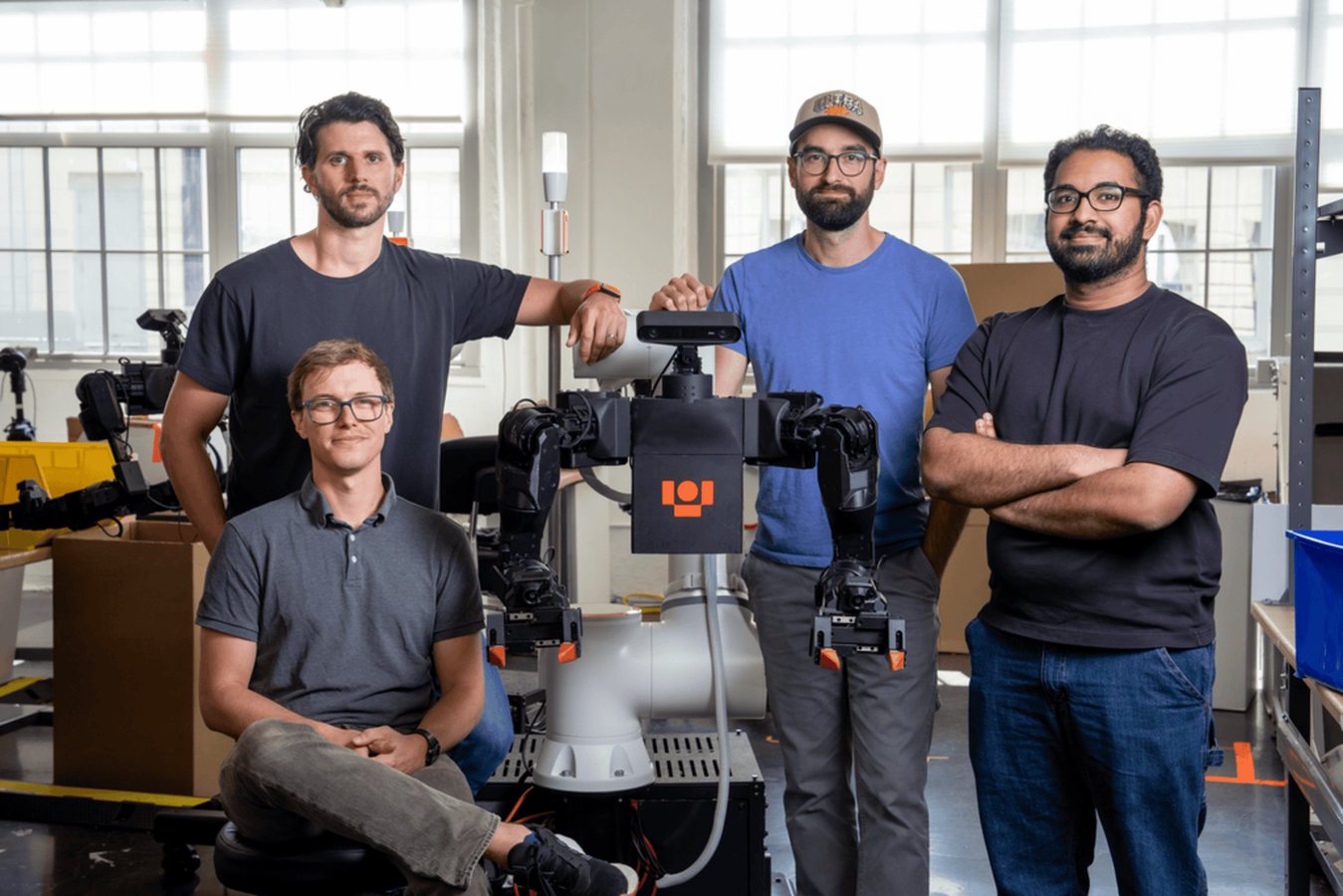
Ultra, a Brooklyn-based robotics startup that leases packing robots to warehouses on a monthly subscription, has raised $62 million and expanded its partnership with Physical Intelligence, the AI firm valued at $5.6 billion that supplies the software brains for its machines.
The funding came in two rounds: a $50 million Series A led by Framework Ventures with participation from Y Combinator, and an earlier $12 million seed round led by Y Combinator and Next View. The company says its robots have packed more than half a million orders for shipping across warehouses in the United States.
Ultra operates on a «robots as a service» model. Customers pay an upfront integration fee for installation, followed by a monthly fee covering hardware and software support. Chief executive and co-founder Jon Miller Schwartz said the model has gained enough traction that Ultra has been able to raise prices, though he did not disclose revenue figures.
The company’s approach contrasts with the humanoid robots that dominate public attention. Schwartz argues that while humanoids are prone to falling over and remain difficult to deploy in everyday settings, other forms of robotics are already having a significant real-world impact. Ultra’s machines specialise in packing goods for transit at third-party logistics sites, where the company installs and maintains them directly.
Ultra’s tie-up with Physical Intelligence follows what some in the industry call a «body and brains» division of labour. Ultra builds and installs the hardware, while Physical Intelligence provides the AI that allows the robots to learn and improve in response to each customer’s specific setup. Physical Intelligence was founded by a team from Google DeepMind who published a landmark paper on robotic intelligence, and numerous other robot makers also use its software.
The arrangement gives Ultra room to focus on its core competency of robot-building while Physical Intelligence gains out-of-the-lab data to train its models. Schwartz, who studied mechanical engineering rather than computer science, said his team spends its days working hands-on with metal parts, cables and motors, including visits to logistics sites to install the equipment.
Ultra is part of a broader expansion of automation across warehouse and logistics operations. France-based Exotec builds robots that climb vertical racks to retrieve items, while Amazon operates a large fleet of devices working alongside humans in hubs across the US. Uber founder Travis Kalanick has also returned to the sector with Atoms, a logistics and AI venture that aims to use one robot to cook food and another to deliver it.
Investors have been drawn to robotics companies that can demonstrate recurring revenue rather than one-off hardware sales. The as-a-service model lowers the capital barrier for logistics operators, which often run on thin margins and are reluctant to commit to large equipment purchases. For Ultra, the monthly fee structure also creates a predictable revenue stream that can support further deployment.
Schwartz said the humanoid side of robotics is likely to reach similar scale within about five years, suggesting that the current gap between attention and deployment may narrow over time. For now, however, the company’s focus remains on the unglamorous work of packing and shipping, where its robots are already handling hundreds of thousands of orders.
5