Technology 4 min read By Arthur Ellington
Flock Safety faces growing backlash over surveillance network as valuation hits $8.3bn
Flock Safety, the $8.3bn surveillance startup backed by a16z and Tiger Global, faces mounting criticism over privacy concerns, officer abuse, and the scale of its license plate recognition network across 49 states.
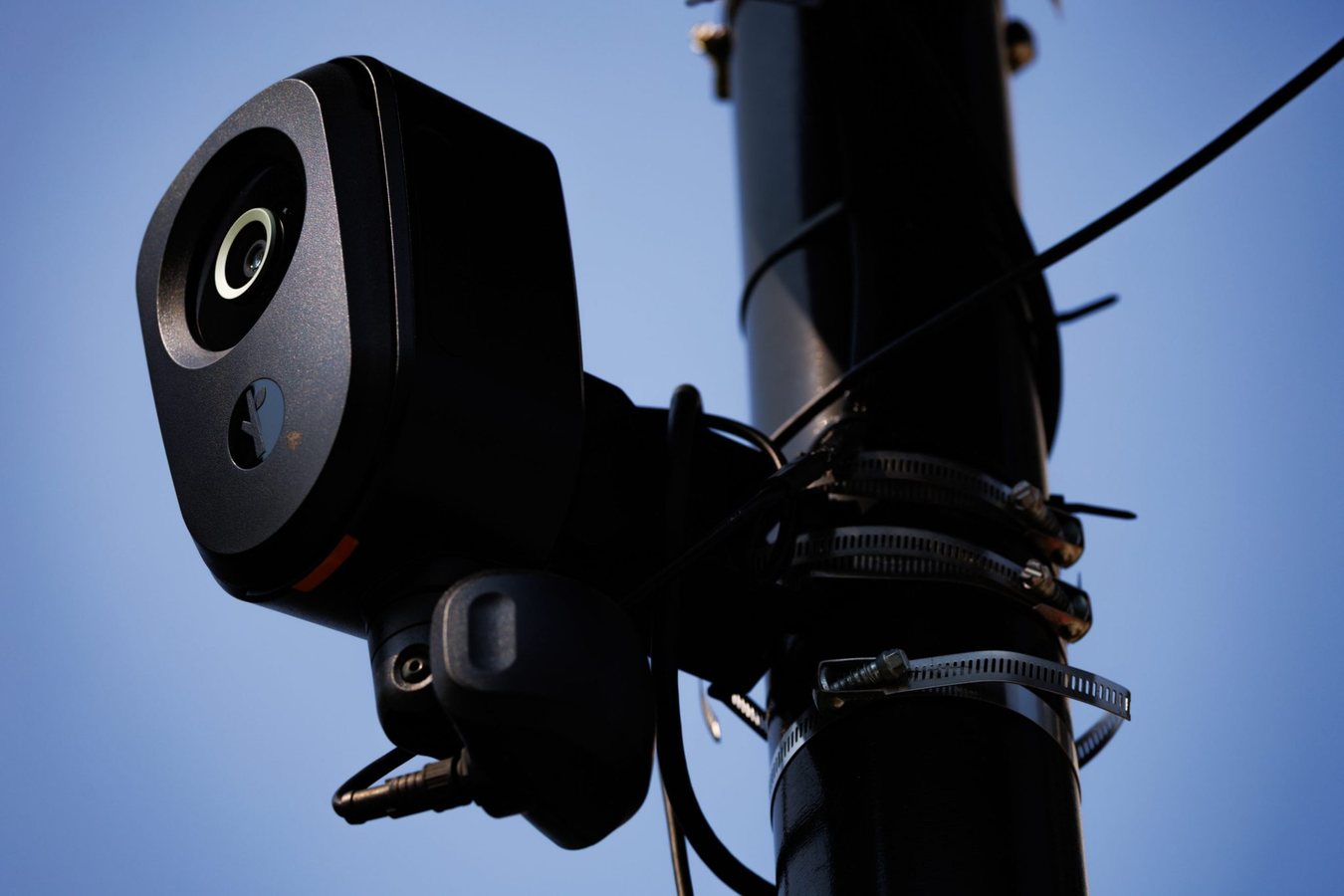
Flock Safety, the nine-year-old surveillance company valued at $8.3 billion, is facing intensifying public backlash over the scale of its automated license plate recognition network, even as it expands into video, gunshot detection, drones and AI-powered search software. The Atlanta-based startup, backed by blue-chip investors including a16z and Tiger Global, operates more than 70 cameras in Providence alone and has built a presence in over 5,000 communities across 49 states.
The controversy came into sharp focus after two incidents in December. In Providence, police used Flock cameras to identify a grey Nissan with Florida plates linked to a shooting at Brown University that killed two people and wounded eight. Investigators traced the vehicle through 30 days of camera history, found it had passed 14 times since December 1st, and ultimately located the suspect at a storage unit in New Hampshire less than a week after the attack. Providence police chief credited the system with solving a case that otherwise had almost no leads.
At nearly the same time in Florida, Officer Christopher Goodson was arrested after logging more than 700 unauthorized inquiries into his estranged wife's vehicle between September 2024 and June 2026 using his department's Flock access. The case highlights what privacy advocates describe as a systemic problem: the network does not just record license plates but logs the make, model, colour and identifying details of every passing vehicle, searchable by natural-language descriptions such as bumper stickers across thousands of jurisdictions simultaneously.
Flock says data belongs to its customers and is typically deleted within 30 days. However, Fortune found that the LAPD's own Inspector General discovered at least one contract allowing the company to retain data for five years and use it for any purpose at Flock's sole discretion. Residents in 36 states have vandalised or destroyed the cameras, 82 contracts have been terminated since 2021, and city council chambers from Boston to Santa Clara have become battlegrounds over the technology.
Anne Toomey McKenna, a privacy attorney and visiting law professor at the University of Richmond, said the Fourth Amendment was not designed for the current surveillance environment. She described a Catch-22: the Supreme Court has ruled that accessing location data requires a warrant, but police can simply buy the data instead of compelling it, stepping into a legal grey area.
Flock CEO Garrett Langley defended the company, saying it was started to solve crimes and that every day it helps find missing children, solve murders and recover stolen vehicles. He pointed to recent privacy enhancements and measures to address officer abuse, adding that local communities decide their sharing rules, offence filters and retention windows. The company confirmed that over half of new revenue now comes from products other than license plate readers.
Flock told Fortune in April it had raised $500 million at an $8.3 billion valuation, taken in $1.2 billion total, and crossed $500 million in annual recurring revenue in the first half of 2026. Langley, an electrical engineer who started the company after a string of break-ins, recruited two former colleagues and built the first prototype at his kitchen table in three weeks. Homeowners associations were the earliest customers, making up more than 40% of business four years in before law enforcement contracts came to dominate.
69