Business 3 min read By Alice Ashford
Bain Capital Backed Kiva Robotics Before Silicon Valley Turned Away
Ajay Agarwal of Bain Capital Ventures invested early in Kiva Systems, which Amazon later acquired for $775 million. Now he sees the start of a "golden era" for physical artificial intelligence.
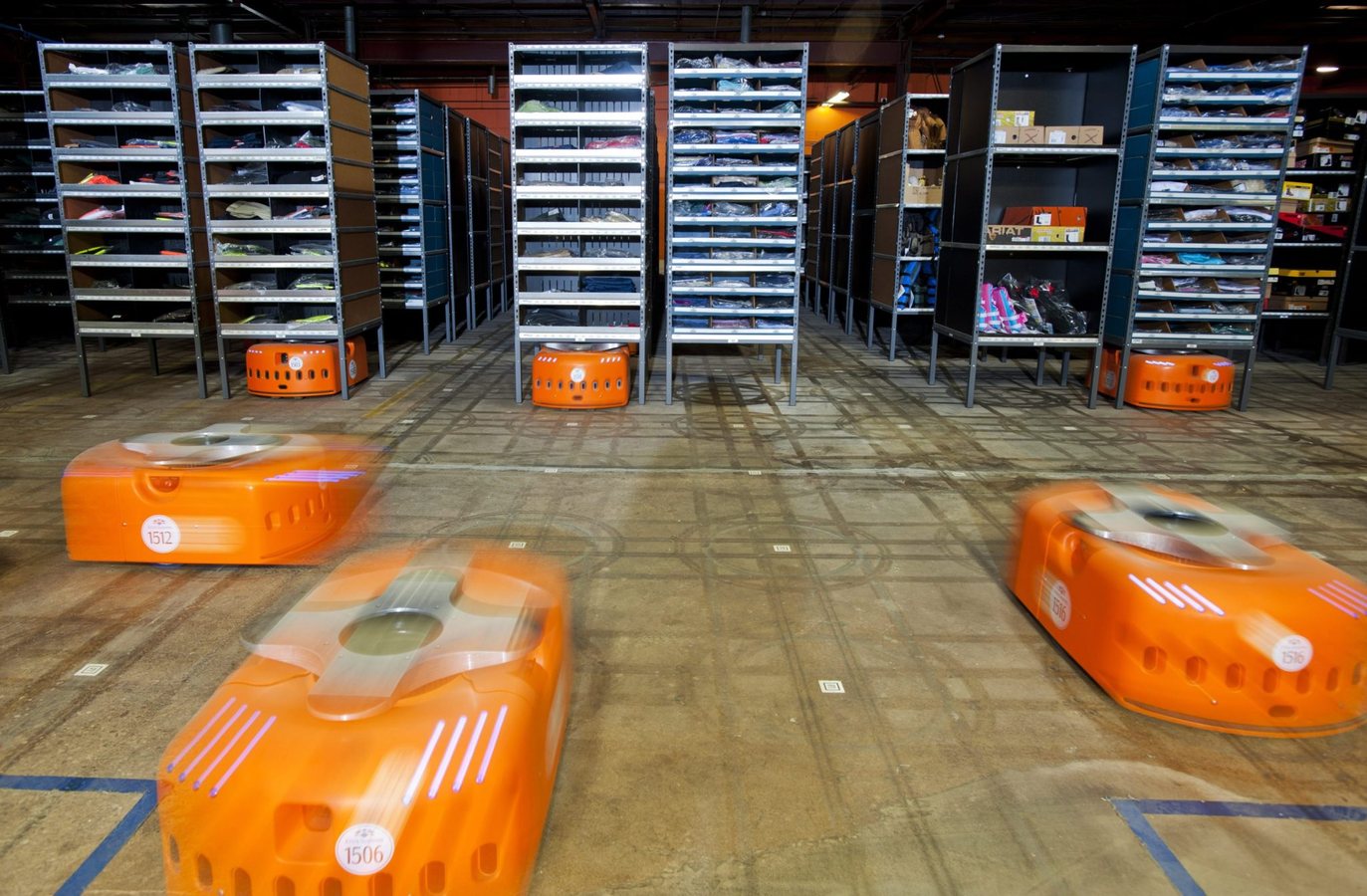
Ajay Agarwal, a partner at the venture arm Bain Capital Ventures, invested in Kiva Systems, a warehouse robotics startup, in 2004, when many investors in Silicon Valley were turning away from such projects. About eight years later, Amazon acquired the company for $775 million. According to Bain, the initial investment returned 26.6 times the capital invested. Agarwal now says the hardware and physical artificial intelligence industry is going through a "golden era."
When Bain first met Kiva, the startup had no revenue, no finished product, and no customers. Its robots moved storage shelves to warehouse workers, rather than the other way around, as in traditional systems where people walk between the shelves. The fund's partners were initially skeptical of the idea, and they lacked expertise in robotics. The turning point came with the voice of Don Ralph, head of Staples, who supported the project and convinced Bain to invest. The fund led Kiva's first funding round, and Staples became its first client. Later, Zappos, Gap, and Zara joined the client list, demonstrating demand for warehouse logistics automation in retail and the fashion industry.
Agarwal links the current interest in physical AI to several factors. The first is access to talent: the founders of TerraFirma, a construction robotics company that Bain backed in 2024, came from SpaceX. The second is the falling cost of components, made possible by mass production for smartphones and electric vehicles. The third is the improvement of AI, which allows machines to perform better in unfamiliar real-world conditions. TerraFirma recently raised $100 million in a Series A round led by Kleiner Perkins in July, and this round demonstrates how quickly investors are returning to the sector.
According to PitchBook, robotics and physical AI startups raised $27.6 billion in 2025 across 1,009 deals. The total more than doubled the previous year's figure. At the same time, open questions remain: whether this growth will continue, and whether an overcrowded market will limit opportunities for investors who bet against the consensus. The return figures cited by Bain are the fund's own data and cannot be independently verified from the materials provided.
Source: fortune.com
4