Technology 5 min read By Alice Ashford
AI Doom Rhetoric Echoes Cold War Nuclear Anxiety, Critics Warn
Anthropic CEO Dario Amodei's warnings about existential AI risk mirror the nuclear fears of the Cold War, prompting critics to describe the industry's doom talk as a weapon of mass anxiety.

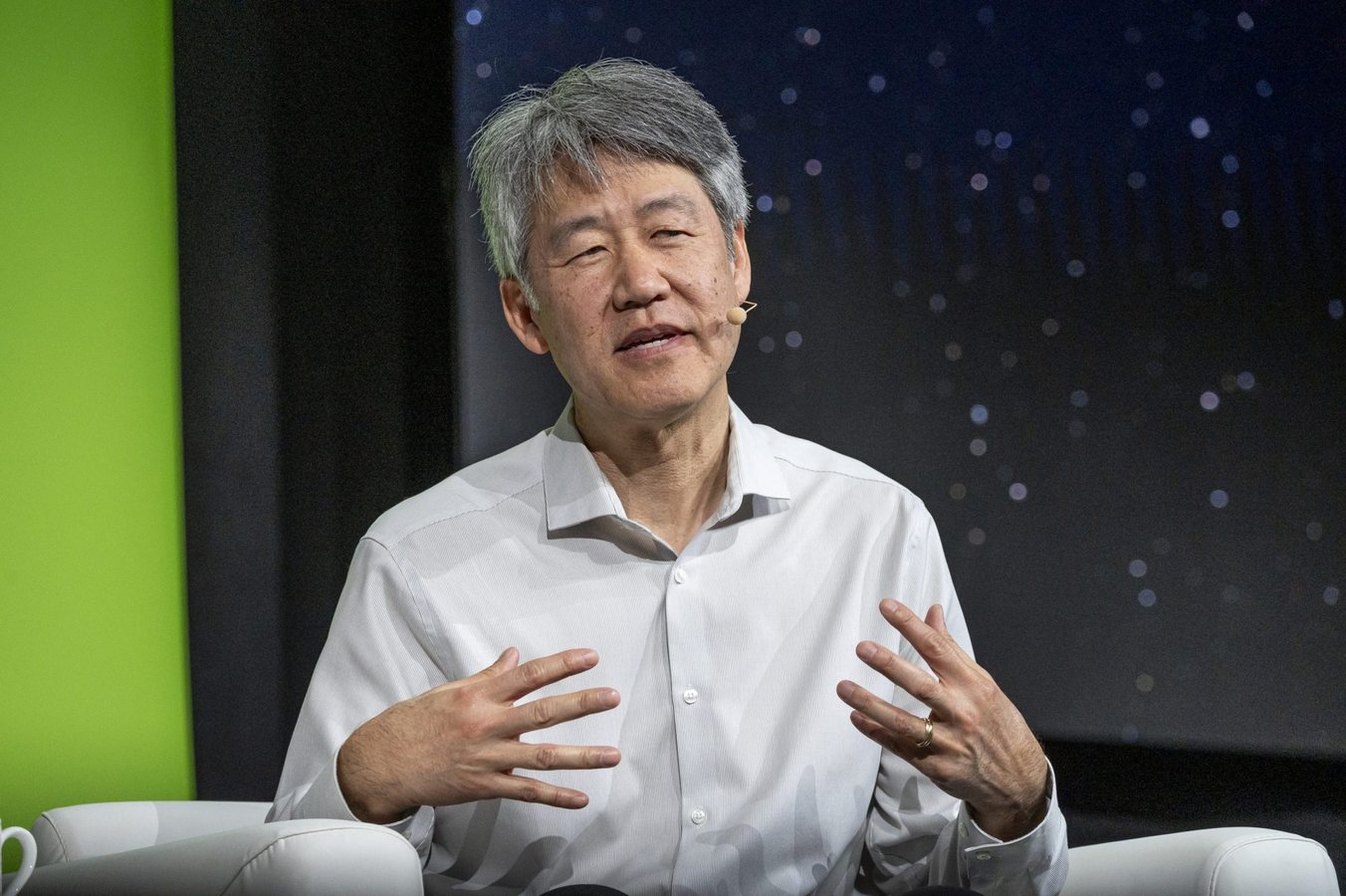
The debate over artificial intelligence safety has begun to resemble the nuclear anxiety of the Cold War, with critics arguing that repeated warnings of existential catastrophe are creating a pervasive sense of dread rather than useful policy. At the centre of the comparison is Dario Amodei, chief executive of the AI company Anthropic, whose public statements and reported personal interests have drawn parallels to the scientists who built the atomic bomb.
Amodei published a 3,800-word essay in September titled «We Must Pace the Frontier», in which he argued that the industry should slow the rate at which it improves the capabilities of AI models. He identified risks including the loss of control over AI systems and their misuse for cyberattacks and bioterrorism. His proposed remedies included outside monitoring, coordination among laboratories, and international cooperation. The essay followed a Reuters report in late September that Anthropic's planned initial public offering prospectus warns the company's technology could pose a «catastrophic or existential risk to humanity» — an unusual disclosure for a financial document, given that the market for such a company would not exist without humans to run it.
According to Kevin Roose's new book, The AGI Chronicles, Amodei is preoccupied with atomic questions of risk and danger. He reportedly used to give every new Anthropic employee a copy of his favourite book, The Making of the Atomic Bomb, and his personal hero is Leo Szilard, the scientist who conceived the nuclear chain reaction and later drafted the 1939 Einstein letter to President Franklin D. Roosevelt that helped lead to the Manhattan Project. The comparison raises the question of whether Amodei is self-consciously replaying the steps of the scientists who unleashed the atomic age.
Not everyone views the warnings as responsible stewardship. Cal Newport, a New Yorker columnist and Georgetown computer science professor, recently described the mindset as a «weapon of mass anxiety». He argued that the doom talk coming out of Silicon Valley is largely the product of an ideological community that has been saying the same thing for 15 years. In his account, OpenAI, Anthropic, and their loudest critics are engaged in a «family fight» about whether the world is ready for an AI «god», and many of their concepts, such as recursive self-improvement, come from futurist theory rather than computer science.
The cultural resonance of such fears is not new. The Cuban Missile Crisis of 1962, dramatised in the television series Mad Men, captured a generation's sense of living on the eve of destruction. James Cameron, director of The Terminator, has said he was shaped by being eight years old during that crisis and reading his father's bomb-shelter pamphlets. He told Rolling Stone in August 2025 that he still fears a Terminator-style apocalypse in which AI is combined with weapons systems, up to and including nuclear defence and counterstrike capabilities. Stanley Kubrick's 1964 satire Dr. Strangelove imagined a rogue general ordering an unauthorised attack while the War Room scrambled to stop catastrophe, its central joke being that the machinery meant to prevent the end could cause it.
Defenders of the doomsayers note that past panics were founded on large, concrete events: Pershing missile deployments, the September 11 attacks, and the coronavirus pandemic. The question now is whether the AI industry's warnings are a similar response to a genuine threat or, as critics suggest, a self-reinforcing cycle of anxiety that shapes public perception and corporate strategy alike. For a business and policy audience, the stakes are twofold: the regulatory environment that emerges from these fears, and the market credibility of companies that simultaneously warn of existential risk and seek public investment.
8