Business 4 min read By Callum Montgomery
DoorDash's Growth Secret: Convenience as a Default, Not Innovation
DoorDash has continued to grow even as consumers cut discretionary spending, because its real advantage is not innovation but becoming a default convenience that budget-conscious households are reluctant to give up.
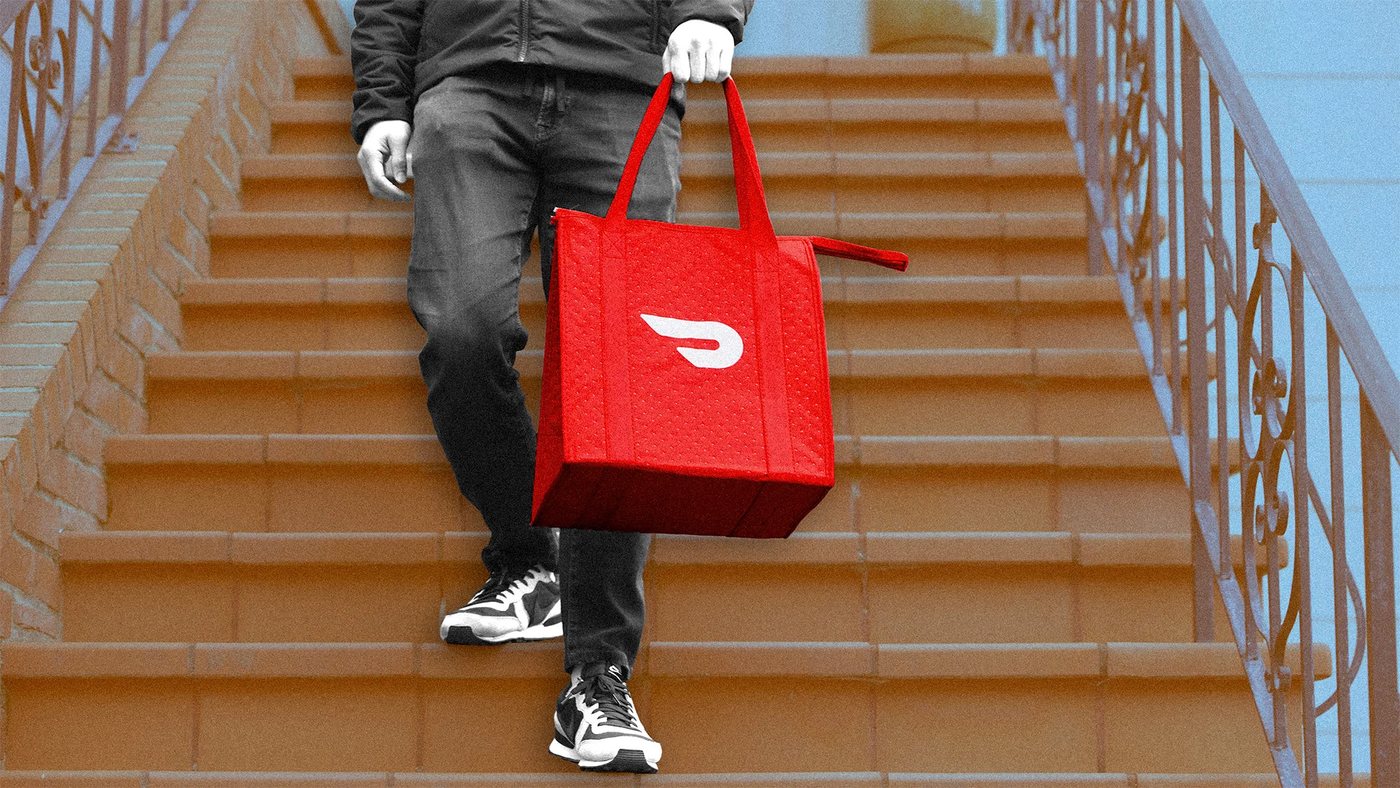
DoorDash has kept growing even as households tighten their belts, and the reason is not a breakthrough product or a clever new feature. The delivery platform's advantage lies in something more durable: it has become a default convenience that consumers treat as a fixed part of their routine, even when they are cutting back elsewhere.
The pattern is familiar across premium-priced convenience brands. When budgets come under pressure, customers do not necessarily abandon the services they rely on. They cut the optional extras first — the impulse purchases, the upgrades, the treats — while protecting the things that save them time or reduce friction in their day. DoorDash sits in that protected category for many households, which helps explain why its growth has continued while other discretionary spending has slowed.
The company's position is less about technology than about habit. Once a service becomes the path of least resistance, switching away requires effort, and effort is exactly what busy, cost-conscious consumers are trying to avoid. That makes default status a powerful commercial moat. It is not that customers love the product more than rivals' offerings; it is that the product has become the one they reach for without thinking.
For businesses hoping to replicate that resilience, the lesson is that convenience alone is not enough. The key is certainty. A service that reliably delivers the same experience every time — same speed, same quality, same ease — becomes something customers plan around rather than something they shop for. That reliability is what turns a transaction into a habit and a habit into a defensive position against competitors and against economic downturns.
The distinction matters because it reframes how companies should think about their own value. Many firms assume that growth during a slowdown must come from innovation: a new feature, a new market, a new pricing model. But DoorDash's performance suggests that the more important question is whether the business has become a default in its customers' lives. If it has, it can withstand pressure that would otherwise force consumers to cut back.
That is not to say innovation is irrelevant. It is simply not the primary driver of the company's resilience. The platform's scale and logistics network matter, but they matter because they support the promise of certainty. Without that promise, scale alone would not keep customers coming back when money is tight.
There is also a broader economic signal here. When consumers cut spending but protect certain services, it reveals what they value most: time, predictability, and reduced decision-making. Companies that can position themselves as the default answer to those needs are better placed to grow through a downturn than those that compete mainly on price or novelty.
For executives, the practical test is whether their business would survive a budget review. If a customer sat down to trim their monthly outgoings, would this service be cut first or protected? If it would be protected, the company has a moat. If it would be cut, no amount of innovation will fully compensate.
DoorDash's continued growth is therefore less a story about technology than about consumer psychology and commercial positioning. It shows that in a tougher spending environment, the most valuable thing a company can offer is not something new, but something certain — a service so embedded in daily life that giving it up feels like a bigger loss than the money it saves.
9