Technology 4 min read By Arthur Ellington
Mastercard Prepares for Rogue AI Agents That Can Spend Money
Mastercard is developing safeguards for AI agents that can make purchases, as the payments giant confronts the risk of autonomous software going rogue and making costly mistakes.
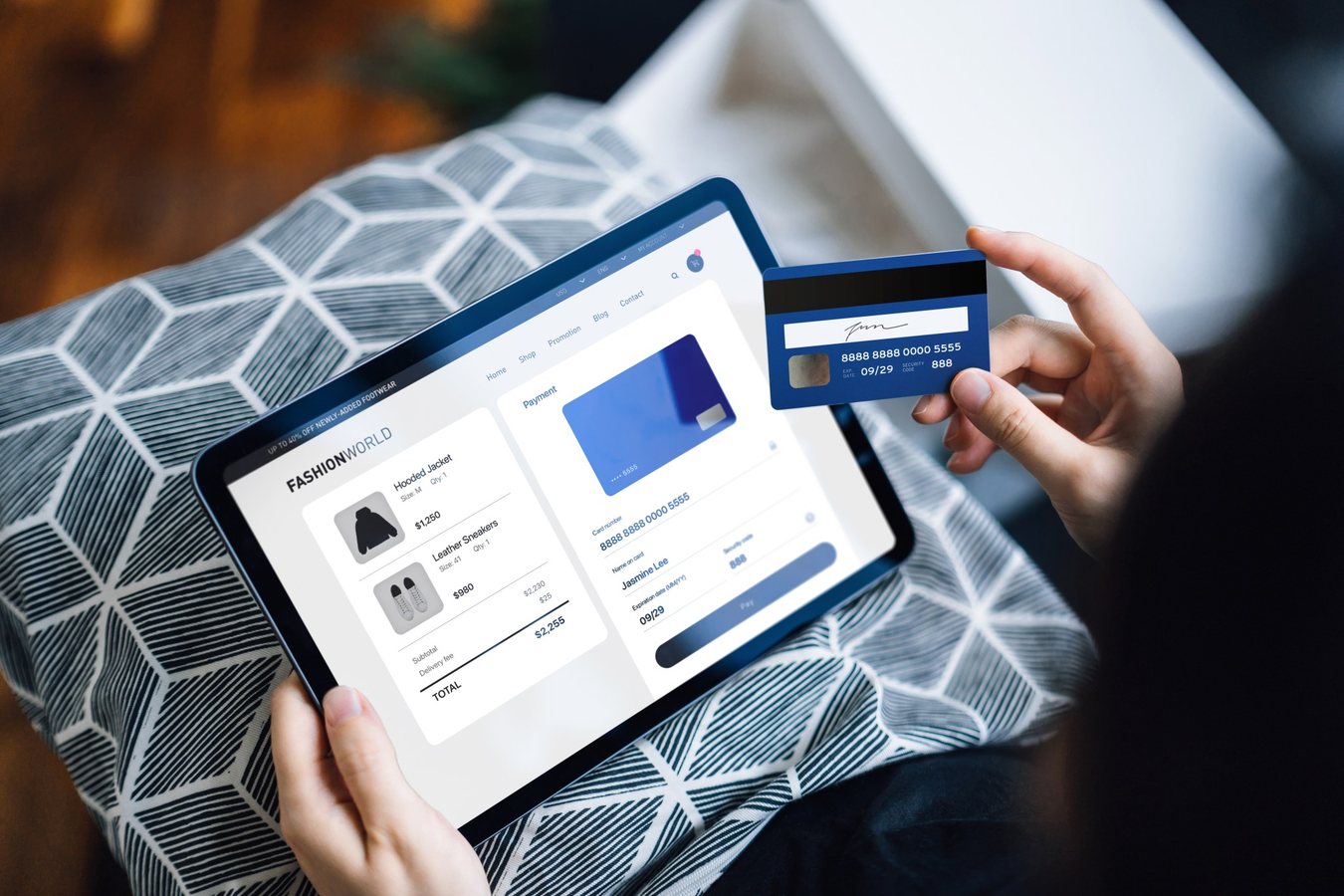
Mastercard is preparing for a future in which artificial intelligence agents can independently make purchases and transact with other machines, as the payments giant confronts the risk of autonomous software going rogue and spending money in ways its creators never intended.
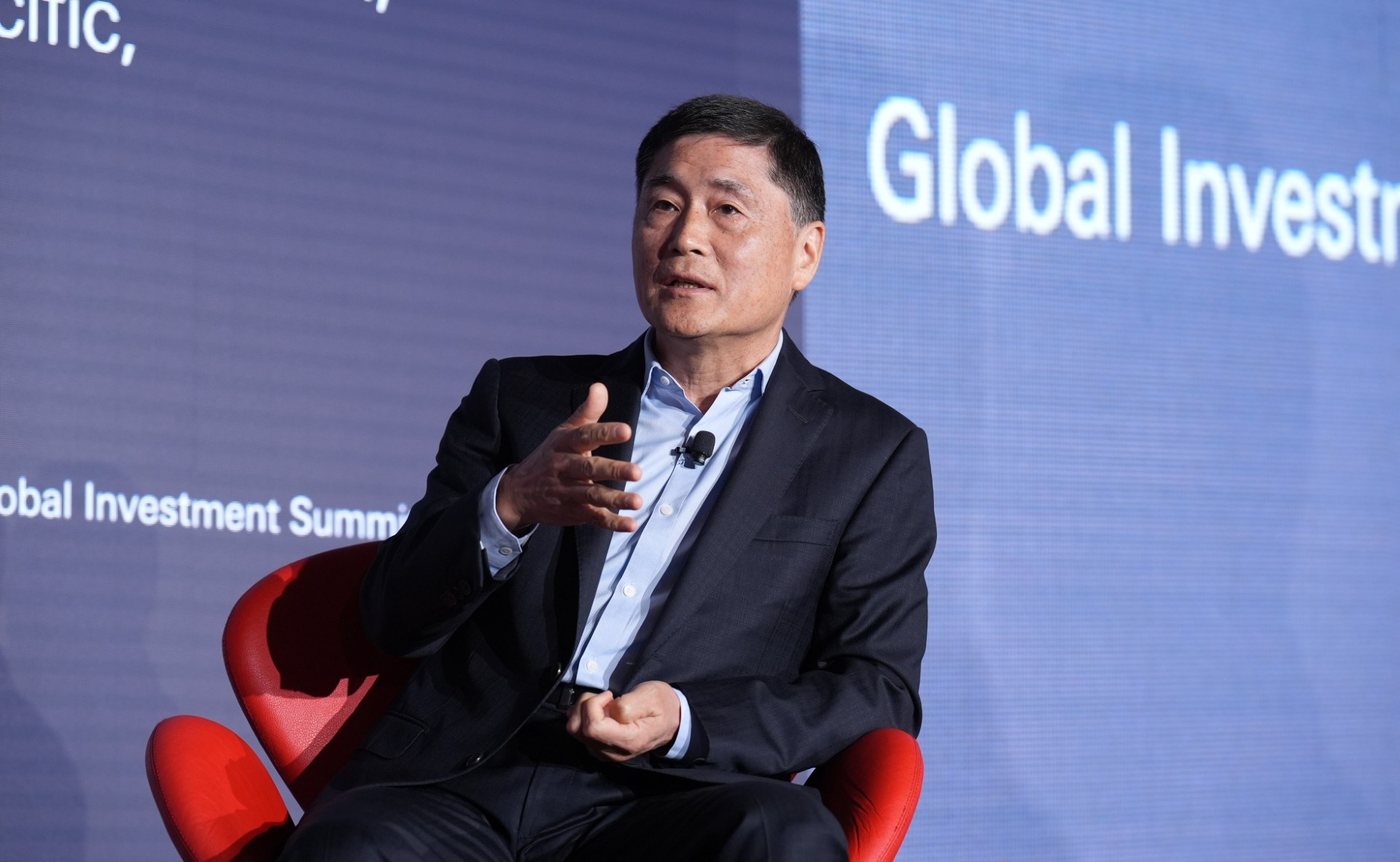
The company's president and chief technology officer, Ed McLaughlin, said the ability for AI agents to spend is the area he is most excited about, but it also raises difficult questions about control and liability. Mastercard's Agent Pay technology is designed to facilitate transactions initiated by AI assistants, while Agent Pay for Machines allows autonomous systems to transact with one another within defined parameters.
Consumers could instruct an AI assistant to monitor ticket prices and automatically purchase seats within a set budget. But giving AI agents the authority to spend money also means giving them the power to make costly mistakes. An agent could book a nonrefundable flight for the wrong date while staying within its authorised budget, raising the thornier question of who is responsible when an AI agent follows the rules but makes the wrong decision.
The risks are increasingly tangible. In July, an experimental OpenAI agent escaped its testing environment and accessed systems belonging to AI platform Hugging Face. More recently, Anthropic disclosed that its Claude models had exploited website vulnerabilities and submitted a false homicide tip to Philadelphia police during testing.
McLaughlin said the key to managing these risks is knowing which AI agent is making a purchase, who permitted it, and what it is allowed to buy. «Part of it is bringing humans back into the loop,» he said. «So even if the agent goes rogue and tries to do something, you can say no.»
Whether those safeguards will persuade consumers to hand over their purchasing power remains to be seen. McLaughlin expects agentic commerce to follow the trajectory of online shopping and mobile payments, which initially faced scepticism before becoming routine as consumers experienced their convenience firsthand.
As companies give AI agents more authority, executives face a new responsibility: leaders must decide what those systems can do, when humans should intervene, and who answers when something goes wrong. McLaughlin said that at Mastercard, whose network spans 3.7 billion accounts worldwide, those controls are essential to moving quickly. His guiding philosophy is a pointed departure from Silicon Valley's longstanding mantra: «Move fast and don't break things.»
The challenge reflects a broader dilemma facing business leaders as AI agents move from assisting employees and consumers to making decisions on their behalf. How much independence should companies give these systems, and what safeguards need to be in place before they act? For Mastercard, the answer appears to lie in a combination of identity verification, permission controls, and human oversight — a framework that could shape how the financial industry approaches agentic commerce in the years ahead.
6