Sports 4 min read By Bethany Hadley
Mbappé loses Chinese sponsors and broadcast coverage after dictator remark
Kylian Mbappé has apologised after a comment on a French talk show, widely read as a reference to Mao, led three Chinese sponsors to cut ties and China Media Group to suspend LaLiga broadcasts involving him.
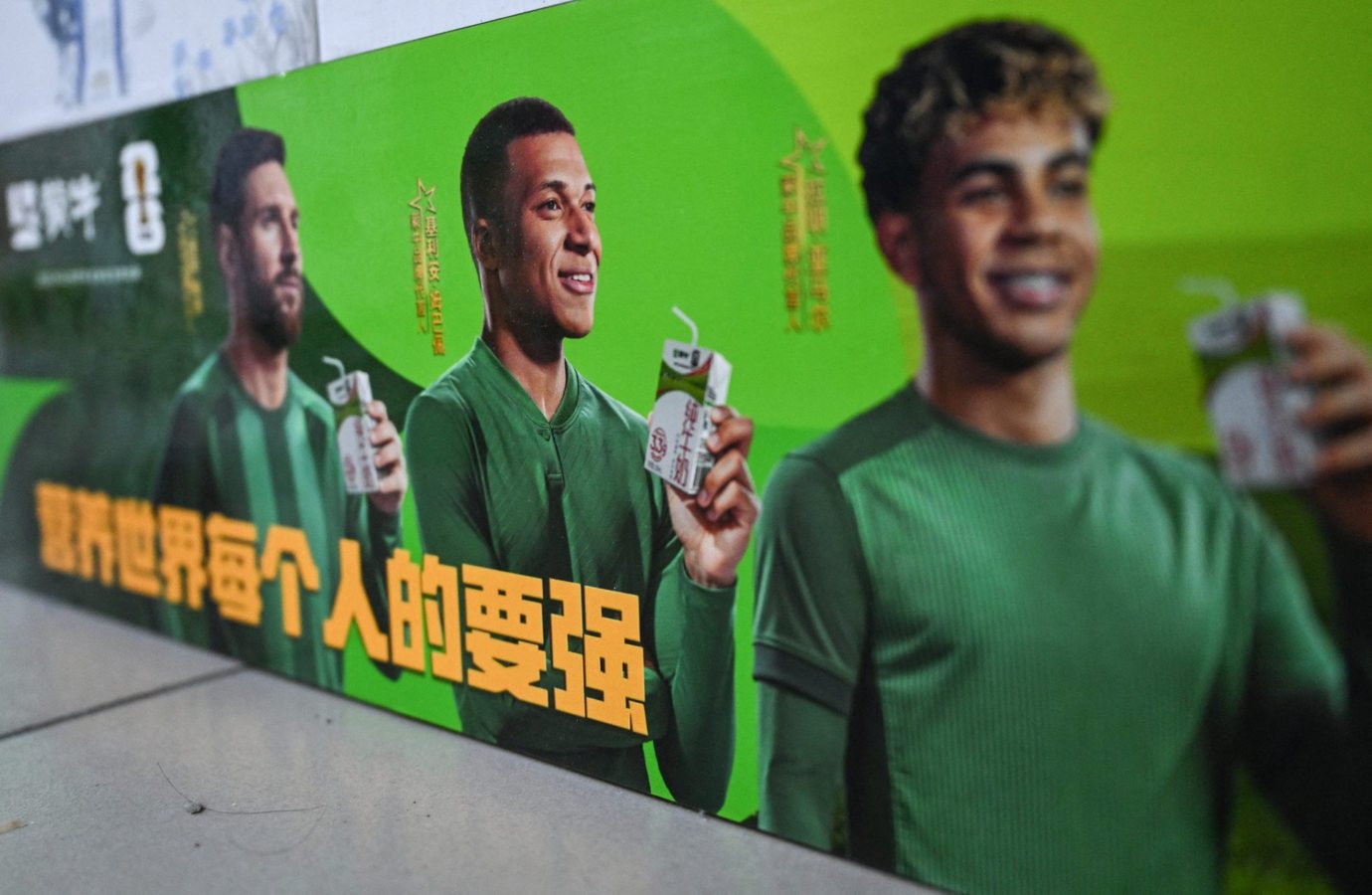
Real Madrid forward Kylian Mbappé has apologised after a remark on a popular French online talk show drew a fierce reaction in China. Describing a meme figure as «a Chinese dictator», a comment widely understood as referring to Mao Zedong, he triggered a rapid commercial fallout. Within days, three Chinese sponsors ended their relationships with him, and China Media Group, the state broadcaster, said it would suspend broadcasts of LaLiga, Spain's top league, along with other matches involving the player.
The companies that severed ties are the beverage maker Dongpeng, the dairy giant Mengniu and the cheese maker Milkground. None of them specified what prompted their decisions. The Chinese brand partners' exit illustrates how quickly a public figure's comments can translate into lost commercial relationships in a market where reputational sensitivities around national history and identity carry heavy weight.
Mbappé has since issued a written apology on X. «My comment was ill-judged, and I now understand that it hurt many people in China and in Chinese communities around the world», he wrote. «I apologize to everyone my words have upset. This was absolutely not my intention. I have deep respect for the Chinese people and their history, and I am sincerely sorry.»
The league has moved to contain the damage. LaLiga president Javier Tebas met the Chinese ambassador to Spain to «seek solutions that allow us to overcome this episode». In a statement, Tebas said the commitment was to keep working together so that «an individual episode does not harm the important advances achieved nor affect the millions of Chinese fans who follow our competitions». Real Madrid also apologised on Wednesday, saying the club maintains «a deep respect for China, its history, its culture and its citizens», and recognising the millions of Chinese supporters who admire the club.
The episode fits a pattern in which foreign brands and celebrities have faced backlash in China over comments, imagery or jokes seen as politically or culturally insensitive. In 2019, Daryl Morey, then general manager of the Houston Rockets, posted a tweet supporting protests in Hong Kong. The state broadcaster CCTV pulled NBA games from the air in response, and the blackout lasted until 2022.
Consumer reaction has also hit companies in recent years. In early 2021, the Swedish fashion group H&M stopped using cotton from Xinjiang over concerns about alleged human rights abuses against Uyghur Muslims, a decision that drew a consumer boycott and severely affected its sales. In June 2026, the activewear brand Lululemon apologised after a promotional event on the Great Wall of China featured a Japanese taiko drum instead of a Chinese dagu, prompting social media criticism. The company later removed all images related to the event.
Louis Vuitton has faced a similar backlash after winning a trademark case against the Chinese milk tea chain Molly Tea. A Chinese court ruled in June that Molly Tea's four-petaled logo infringed a Louis Vuitton trademark and ordered it to pay 10.3 million yuan, about $1.5 million, in damages. The ruling divided Chinese social media, with many users boycotting the luxury brand. LVMH, Louis Vuitton's parent company, later said the controversy had weighed on its China sales, with revenue at its fashion and leather goods division falling 5 per cent on an organic basis.
Chinese companies are not immune either. In 2024, the bottled-water brand Nongfu Spring faced a public boycott and online criticism after some users accused it of using Japanese-style imagery on its packaging, and some 7-Eleven stores stopped selling its products.
6