Sports 4 min read By Alice Ashford
Marcus Rashford marks his 29th birthday with a look back at his career
Marcus Rashford turns 29, a milestone that prompts a review of the career of the England forward, who rose from Manchester to the top of English and European football.
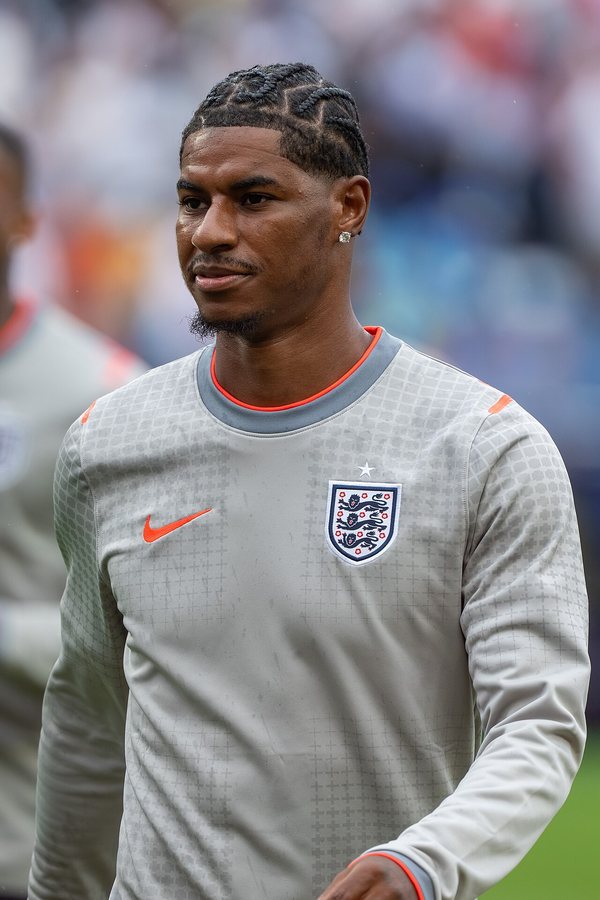
Marcus Rashford turns 29 on 31 October, a birthday that marks a decade-long rise from a young academy product in Manchester to one of the best-known forwards in English football. The milestone offers a chance to take stock of a career built on early breakthroughs, persistent setbacks and a public profile that extended far beyond the pitch.
Rashford came through the youth ranks at Manchester United, the club he joined as a boy and where he made his first-team debut as a teenager. He quickly established himself as a goalscorer capable of playing across the front line, and his early performances brought him international recognition for England. His ability to play on the left, through the middle or as a central striker made him a valued option for a succession of managers at both club and international level. Over the years he has been used in a range of attacking roles, and that flexibility has been one of the consistent features of his time in the game.
The source material does not set out a full season-by-season breakdown, but his progress is best understood as a sequence of steps: an academy apprenticeship, a debut that announced him as a young talent, a run of appearances that established him in the first team, and then a period in which his position within the squad was tested by injury, form and changing coaches. Each phase has shaped how he is judged. Supporters tend to remember the early promise and the moments of individual brilliance, while critics have focused on the periods when availability and consistency came into question.
Beyond his football, Rashford has become one of the most prominent figures in British sport off the field. His campaigning on child food poverty drew cross-party attention and led to changes in government policy on free school meals, a contribution that set him apart from most players of his generation. The campaign showed how an athlete could use a national platform to press for social change, and it remains a central part of how he is viewed by supporters and commentators. Politicians from different parties engaged with the issue in the wake of his interventions, and the debate over school meal provision became one of the most visible examples of an athlete influencing domestic policy in the United Kingdom.
That public role has also brought scrutiny. Because his name carries weight beyond football, his statements on social issues are read as political as well as sporting, and he has had to balance the demands of a high-profile playing career with a campaigning agenda that attracts both praise and criticism. For many observers this combination is what distinguishes his career from those of players who concentrate solely on the game.
The 29th birthday also arrives at a point where his career continues to be measured by consistency and fitness, as is common for players in their late twenties. Rashford's record at club and international level, together with the impact of his off-field work, forms the backdrop against which his next phase will be judged. Whether he continues to be a regular starter, how his role evolves within his club and country, and how he uses his platform in the years ahead are the questions that will shape the next chapter of a career that has already travelled a long way from the Manchester streets where it began.

5