Business 2 min read By Callum Montgomery
Unreal Snack Lets Employees Buy Its Sweets Without Limit
American company Unreal Snack allows employees to buy sweets without limits, and management considers this benefit useful for the business.
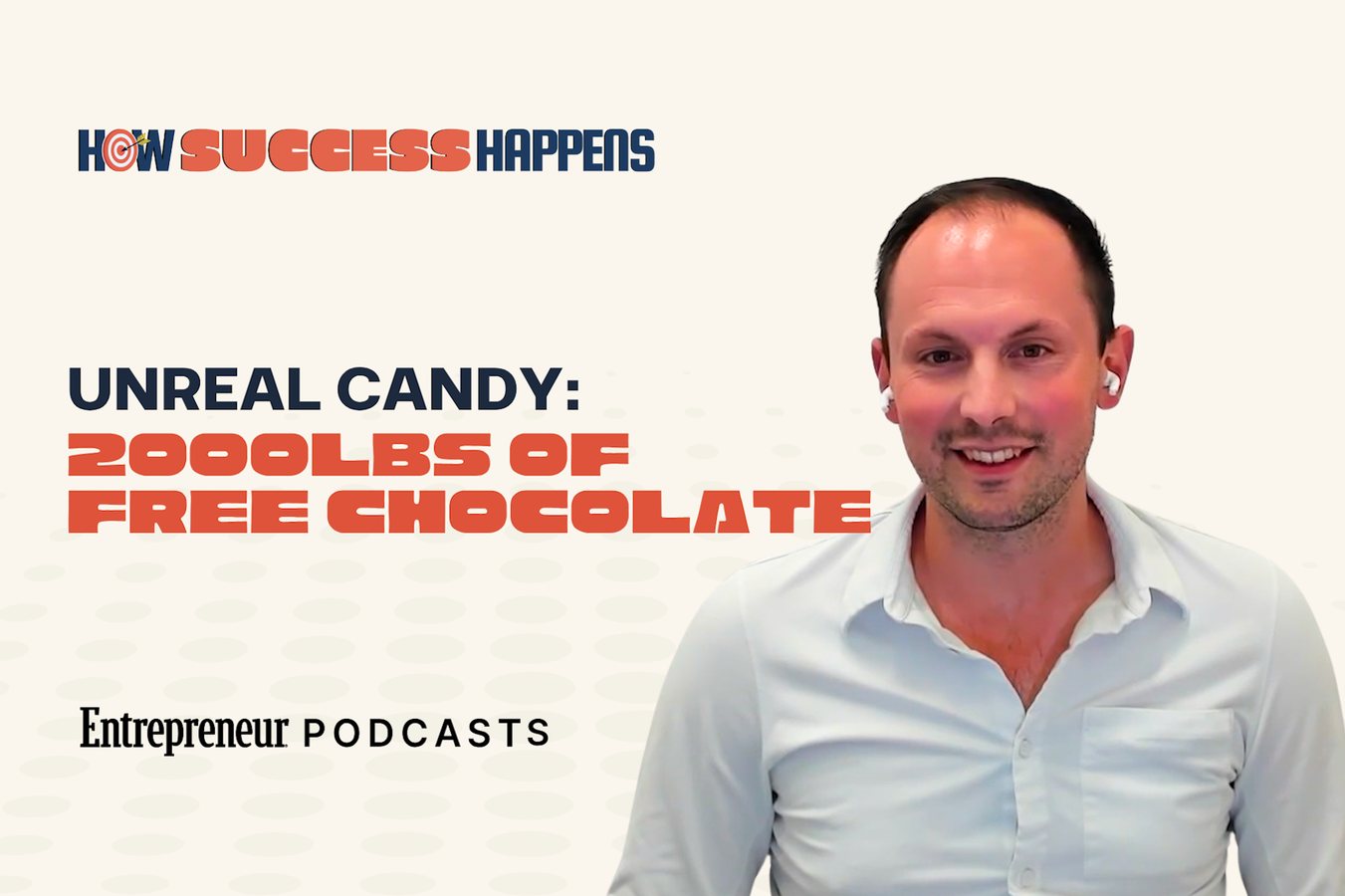
Unreal Snack provides employees with an unlimited right to buy sweets, and, according to its management, this perk works in the company's favor. Founder Kevin McCarthy explains how the company is building one of America's largest brands of "healthier" confectionery products.
The company's approach is based on the idea that employees who try and know the product themselves understand it better and recommend it with more confidence. McCarthy links this practice to the culture of openness within the company: the team should test the product firsthand, not just evaluate it through reports and numbers.
The question of how to combine sweets with the concept of a healthy lifestyle is at the center of Unreal Snack's business model. The brand positions itself as an alternative to traditional confectionery while preserving the taste that attracts consumers. It is at this intersection of health and consumer demand that the company builds its growth strategy.
Separate context is provided by the example of another well-known brand. Ben & Jerry's co-founder Ben Cohen advocates transferring the company to ownership by its employees; however, according to Inc., this issue has not yet been officially put up for discussion with workers. The brand's owner, Magnum, meanwhile insists that the brand is developing successfully and is not up for sale.
Both cases show how large and growing companies in the consumer goods sector are trying to link workers' interests with business success: through product-related benefits or through a conversation about the form of ownership. For Hublcore readers, such models are interesting as an example of how corporate culture and economic results can influence each other.
4