Economy 3 min read By Arthur Ellington
Federal Reserve holds interest rates steady days before midterm elections
The Federal Reserve kept its benchmark rate unchanged on Wednesday, even as inflation has climbed back toward a three-year high, with two policymakers voting for a quarter-point increase.
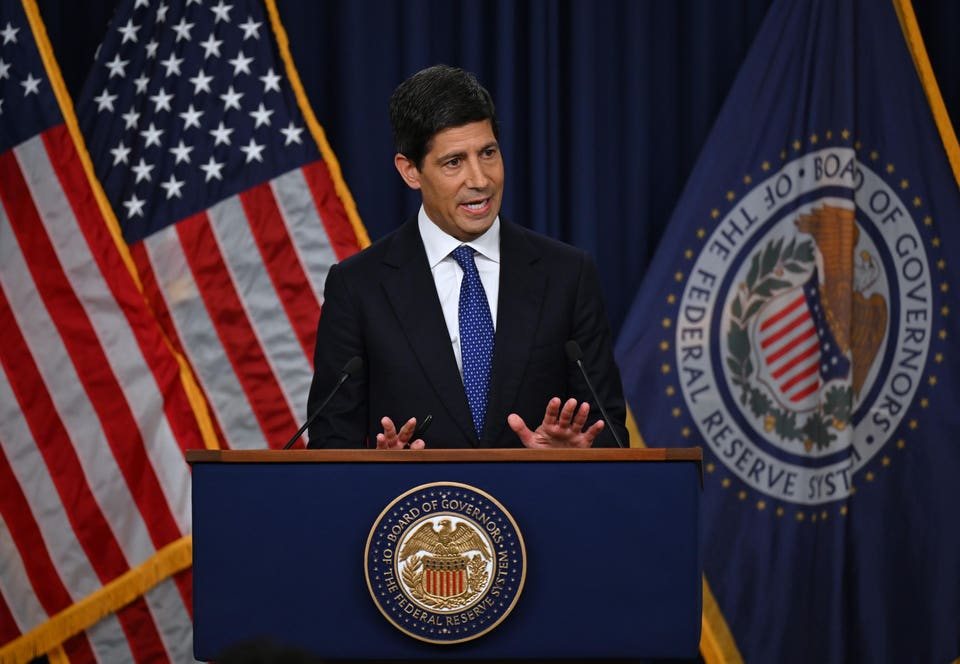
The Federal Reserve left interest rates unchanged on Wednesday, six days before the midterm elections, despite inflation edging back toward the three-year high it reached in May. The Federal Open Market Committee voted 10-2 to keep its benchmark rate in a range of 3.75% to 4%.
Only two members dissented. Fed Governor Lisa Cook and Cleveland Fed President Beth Hammack both preferred to raise the target range for the federal funds rate by a quarter of a percentage point at this meeting. Hammack's dissent had been widely anticipated, but Cook's had not, as previews had named Hammack, Dallas Fed President Lorie Logan and Minneapolis Fed President Neel Kashkari as the most likely dissenters.
The Fed's statement introduced a new line signalling that more information would guide its next steps. The Committee said that « the accumulation of more information will help the Committee determine the policy stance appropriate to ensure a timely return of inflation to the Committee's 2 percent goal ». That wording replaced the September statement, which had said the hike that month would support a timelier return to the 2 percent goal. The statement closed with the same line as last month, that the Committee « will deliver price stability ».
The decision follows the Fed's first rate increase since 2023, delivered in September. It was also the first hike under Fed Chair Kevin Warsh, who took the position after being nominated by President Donald Trump. This week the central bank offered a more upbeat view of the economy, describing economic activity as expanding at a strong pace, where in September it had called growth solid.
Inflation has continued to climb since the September meeting. Consumer prices rose 3.7% from a year earlier in September, pushed up by gasoline costs. Core inflation, which strips out food and energy, rose 2.6% and came in above forecasts. Against that backdrop, the decision to hold rates has left markets focused on what the Fed will do next.
Warsh has been reluctant to signal the central bank's next move. Earlier this month he said he does not prejudge meetings. Investors, according to reporting on the decision, largely expect a quarter-point hike in December, though the Fed itself has not committed to one. The timing of the vote, just days before the midterms, has also drawn attention to the political setting in which the central bank is operating.
Currency markets reacted to the decision, with the dollar edging higher as traders weighed the persistence of inflation risks against a Fed that has so far chosen to wait. The next policy meeting will be closely watched for signs of whether the two dissenters' preference for tighter policy gains broader support.
8