
Sports 4 min read By Callum Montgomery
ESPN Faces Viewer Backlash as College Football Ratings Fall 11%
College football viewership has dropped sharply as ESPN increases its political advocacy, raising questions about the network's editorial direction and its impact on a sport that depends heavily on broadcast reach.
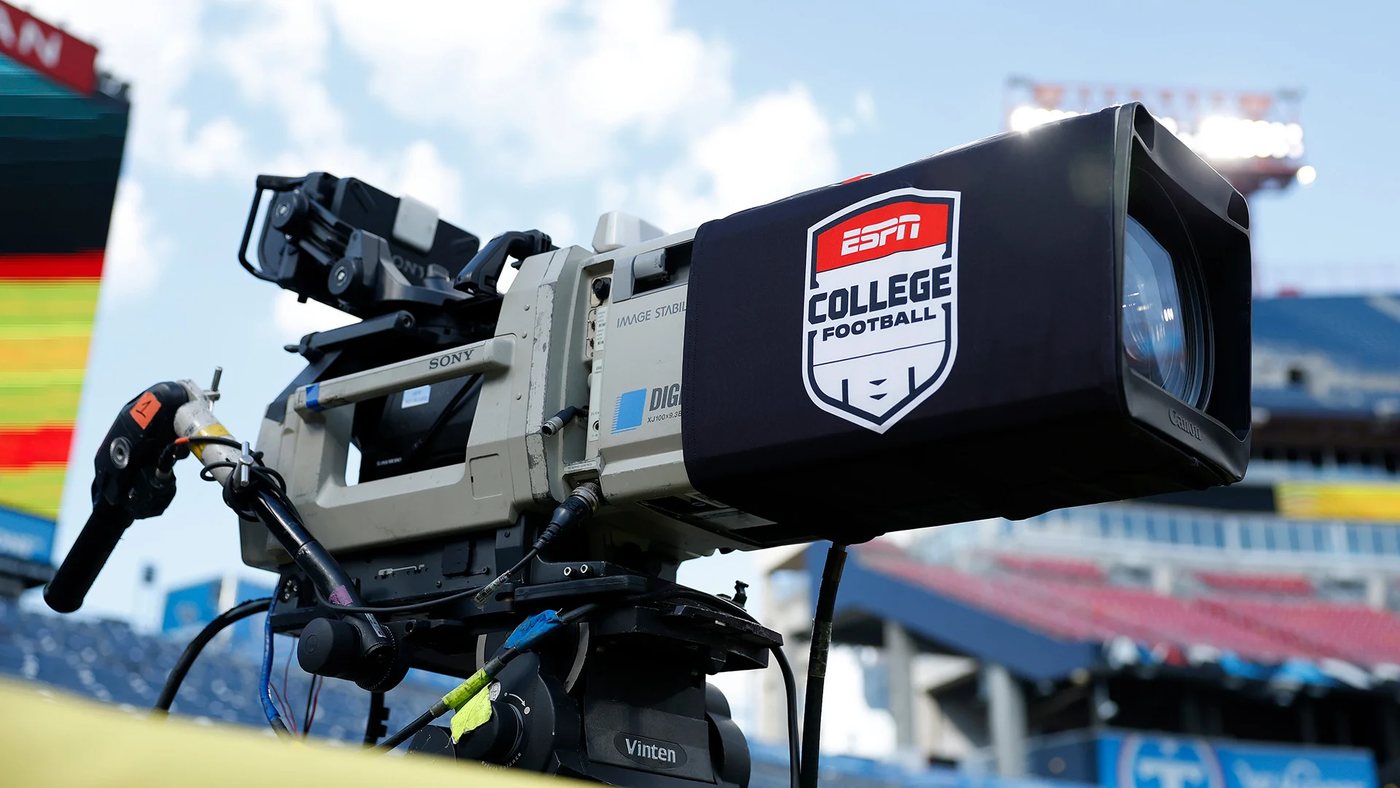
College football television ratings have fallen by 11 per cent, a decline that coincides with ESPN's increasingly vocal political advocacy. The network, which holds extensive rights to college football coverage, has faced mounting criticism from viewers who say its programming has become politicised. The ratings drop suggests that a significant portion of the audience is tuning out.
The figures arrive at a delicate moment for sports broadcasting. College football is one of the most valuable properties in American television, and ESPN's parent company, Disney, has invested billions in securing rights to the sport. A sustained decline in viewership threatens advertising revenue at a time when the broader television industry is already under pressure from streaming and social media platforms.
ESPN has not publicly linked its political content to the ratings decline. The network has defended its editorial choices, arguing that its coverage reflects the wider national conversation. But critics, including some within the sports media industry, contend that the network's political push has alienated a core audience that tunes in primarily for athletic competition rather than commentary.
The decline is not isolated to college football alone. Other sports broadcasts have experienced similar, if less pronounced, erosion in recent years. The shift in viewing habits, accelerated by the pandemic, has seen audiences migrate toward streaming services and social platforms where content is consumed on demand and often without the political framing that characterises some traditional sports coverage.
For ESPN, the stakes are considerable. The network's business model relies on carriage fees from cable and satellite providers as well as advertising revenue tied to live sports. If ratings continue to fall, both streams come under threat. Cable operators may resist paying premium fees for channels with shrinking audiences, while advertisers may demand lower rates or shift spending to digital platforms where targeting is more precise.
The network has attempted to broaden its appeal by launching direct-to-consumer streaming options and expanding its digital footprint. But those efforts face intense competition from well-funded rivals, including Amazon, which has moved aggressively into live sports rights, and from social media companies that offer advertisers cheaper access to younger demographics.
College football itself is undergoing significant change. Conference realignment has reshaped the sport's geography, with traditional rivalries broken up in pursuit of larger television contracts. The transfer portal and name, image and likeness rules have altered how teams are built. These structural shifts have made it harder for casual fans to follow the sport, potentially contributing to the ratings decline independently of any political factors.
ESPN's political advocacy has been a subject of debate within the company as well. Some employees have reportedly raised concerns that the network's editorial stance could damage its brand among conservative-leaning viewers, who make up a substantial portion of the college football audience. Others argue that remaining silent on social and political issues is no longer viable for a major media organisation.
The ratings data will be closely watched by advertisers, rights holders and rival networks. If the decline persists through the remainder of the season, it could influence negotiations for future broadcasting contracts and shape how sports networks approach political content. For now, ESPN faces a difficult balancing act: maintaining its editorial identity while retaining the broad audience that makes college football such a valuable commodity.

4