
Society 4 min read By Arthur Ellington
US colleges offer admission to unapplied students as enrollment shrinks
American colleges increasingly make offers to prospective students who never applied, waive fees and lower tuition costs, trying to retain admitted students who fail to show up for classes.
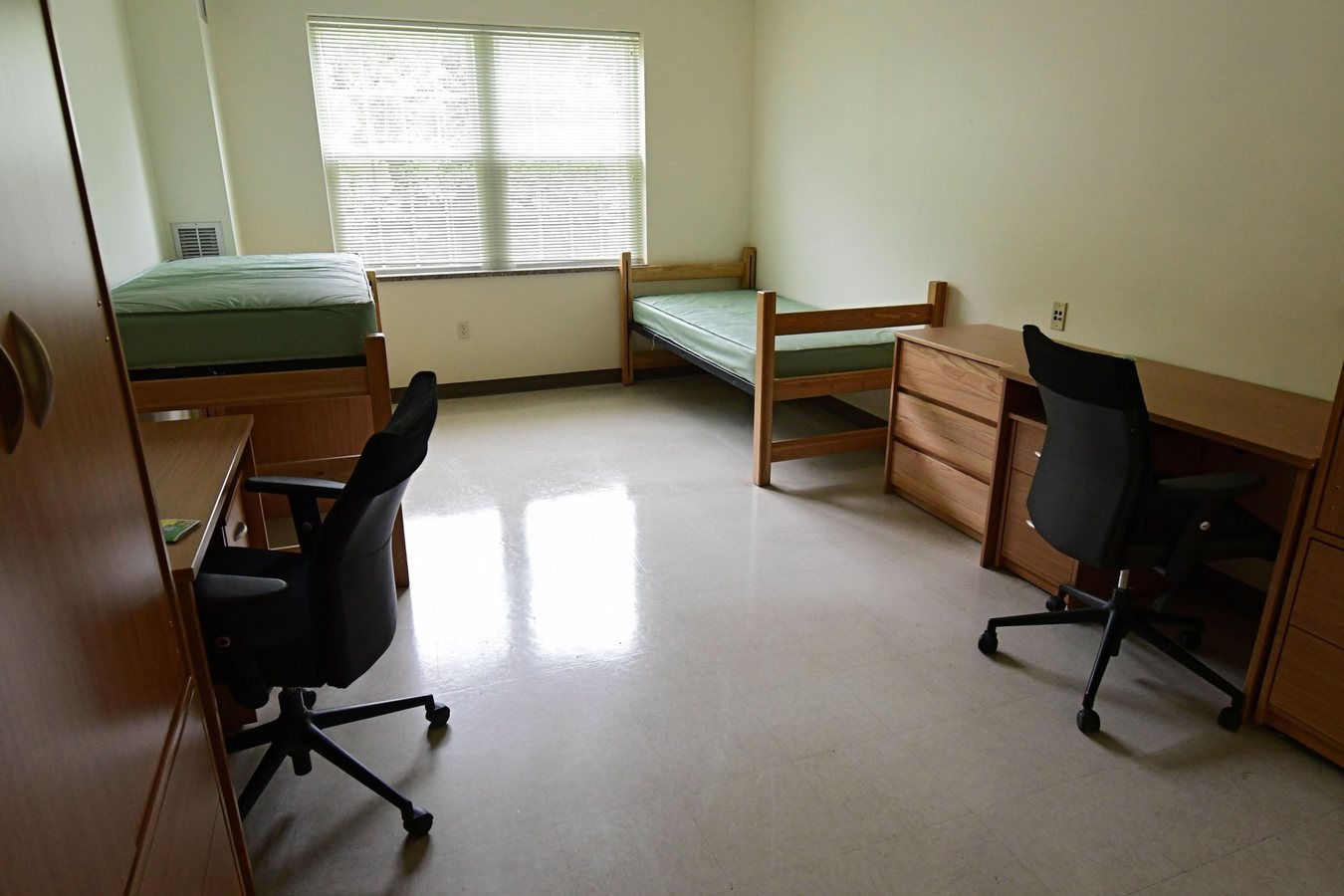
American colleges are increasingly competing for Generation Z students: they send admission offers to people who never even applied, waive application fees and cut tuition. The reason is that a growing number of admitted students ultimately do not enroll at university, and competition for a shrinking pool of students has sharply intensified.
According to data, the share of high school graduates who enroll in college immediately after graduation fell from 70% in 2016 to 63% in 2024. The number of high school graduates is projected to decline from about 3.9 million in 2025 to roughly 3.4 million by 2041. Preliminary figures show that undergraduate enrollment this fall grew by only 0.6%.
One of the key problems is so-called "summer melt": admitted students confirm their intention to attend but do not appear in classes in the fall. The share of admitted students at public colleges who ultimately enroll fell from 32% in 2014 to 22% in 2024. At private nonprofit institutions, the rate dropped from 24% to 18% over the same period. At Whittier College, the share of students who "melted" this year reached 17%. At the same time, the share of applicants who submit deposits to several institutions at once has doubled since 2024, reaching 10%.
Reasons for declining offers relate above all to money and doubts about whether higher education is worth it. In a survey of admitted students, 60% named affordability and financial aid among the five most important factors in their choice. 21% said their families were not willing to pay for college. The share of those who, after being admitted, did not enroll in any college rose from 3% to 6%, and half of them cited cost as the reason. Concerns include unexpected expenses, unresolved financial aid and fear of leaving home.
Young people's attitudes are also changing. In a Hanover survey of 1,000 students aged 16 to 19, 66% said they want to earn a bachelor's degree, compared with 79% in the previous survey. Interest in associate degree programs rose from 36% to 45%. Meanwhile, 25% of respondents said the development of artificial intelligence had increased their interest in skills related to human interaction.
Colleges are responding to this challenge in several ways. Through the Common App direct admissions program, more than 820,000 proactive admission offers were sent in the 2025–2026 academic year. The number of participating institutions grew from 119 in the 2024–2025 cycle to 234 in the 2026–2027 cycle. The University System of Georgia ran a digital campaign costing $125,000, which reduced the share of "melted" admitted students from 22% to 8%. The university links this campaign to additional tuition revenue of $3.2 million.
Discounts and financial aid are also growing. The average tuition discount for first-year students at private nonprofit institutions in the 2025–2026 academic year was 57.1%, and the average discount across all undergraduate students reached a record 51.3%. Starting in fall 2027, Whitman College plans to cap tuition at 10% of parental income. Institutional aid at DePaul will rise by about $15.5 million, to around $372 million.
Source: fortune.com
66