Society 4 min read By Arthur Ellington
UK residents in unhealthiest areas blame government as healthiest communities cite personal choices
A stark divide in attitudes towards health and wellbeing has emerged across Britain, with residents in the country's most unhealthy postcodes pointing to government failures, while those in the healthiest districts credit their own habits such as walking and reading.
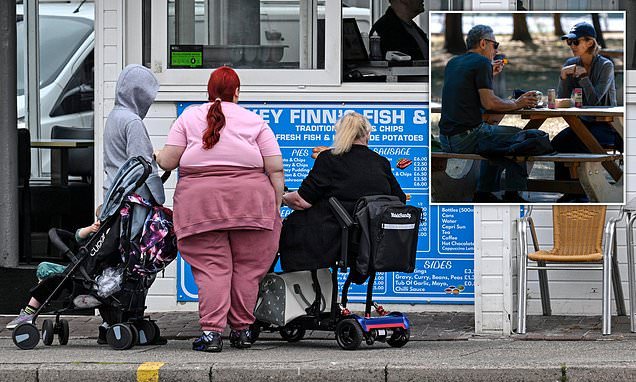
A deep divide in how Britons view their health has been laid bare, with residents of the country's most unhealthy towns blaming government neglect for their poor wellbeing, while those in the healthiest postcodes say lifestyle choices are the key to living longer. The contrasting perspectives highlight not only differing health outcomes but also a growing gap in public attitudes towards personal responsibility and state support.
In areas with the lowest life expectancy, often characterised by high levels of deprivation, cheap alcohol, fast food outlets and drug availability are frequently cited as contributing factors. Residents in these communities argue that successive governments have failed to tackle the underlying social and economic conditions that drive poor health. Many feel that without better housing, employment opportunities and local services, individual efforts to lead healthy lives are undermined.
One young couple from Clacton, speaking ahead of a local byelection, expressed a deep sense of pessimism that resonates with many in struggling towns. Living in Britain is “depressing”, the woman said, adding that despite both working 40 to 50 hours a week, they are “still struggling to pay rent, food, electric, everything else”. They rarely have a day off together and have never voted, reflecting a disenchantment that extends beyond health into broader civic life.
In contrast, residents of Britain's healthiest postcodes attribute their long lives to simple, self-directed habits. Walking, reading and avoiding excessive alcohol are commonly mentioned as part of a daily routine. There is a strong sense of autonomy and personal responsibility, with many stating that they do not rely on government initiatives to stay healthy. These areas tend to have better access to green spaces, lower crime rates and higher average incomes, which make healthier choices more accessible.
The divide is not merely about individual behaviour; it reflects entrenched inequalities. Studies have shown that life expectancy can vary by as much as a decade between neighbouring local authorities. The most unhealthy towns often cluster in post-industrial regions where traditional industries have declined, leaving behind higher unemployment, poorer housing and reduced public services. Cheap, high-calorie food and alcohol become readily available, while affordable fresh produce and recreational facilities are scarce.
Public health experts argue that addressing these disparities requires a combination of national policy and local action. Measures such as restrictions on fast food outlets near schools, minimum unit pricing for alcohol, and investment in green spaces have been shown to improve population health. However, implementation has been uneven, and many deprived areas continue to lack the infrastructure that supports healthier living.
The contrast in attitudes also reflects differing levels of trust in government. In healthier communities, there is a greater sense that individual efforts pay off, partly because the environment supports those efforts. In less healthy areas, residents feel that systemic barriers make it nearly impossible to escape poor health outcomes, regardless of personal motivation. This fuels a cycle of frustration and disengagement.
As the UK continues to grapple with rising healthcare costs and an ageing population, the gap between the healthiest and unhealthiest communities presents a major challenge. Without targeted interventions that address both the social determinants of health and the sense of agency among residents, the divide is likely to widen. The question of who bears responsibility — the individual or the state — remains at the heart of the debate, with no easy answers in sight.