Society 6 min read By Bethany Hadley
UK humanitarian worker monitored at London hospital after potential Ebola exposure
A British humanitarian worker is being assessed in isolation at a London hospital after potential exposure to Ebola while working in the Democratic Republic of Congo. UK health authorities stress there are no confirmed Ebola cases in the country.
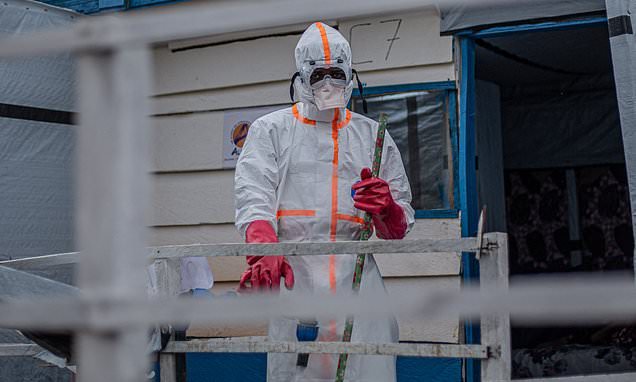
A British humanitarian worker is being monitored in isolation at a London hospital after potential exposure to the Ebola virus while working in the Democratic Republic of Congo (DRC). The individual, who was assisting communities affected by an ongoing Ebola outbreak in the central African nation, is now under assessment at a specialist unit in the capital. Health officials have moved swiftly to contain any possible risk, though they emphasise that there are currently no confirmed cases of Ebola in the United Kingdom.
The UK Health Security Agency (UKHSA) confirmed that the person is being evaluated following what it described as a «potential exposure» to the virus. The agency stated that the individual is not showing symptoms of the disease but is being kept in isolation as a precautionary measure. Standard protocols for managing possible Ebola cases include close monitoring and testing to rule out infection. The UKHSA has not disclosed the exact nature of the exposure or the specific hospital where the patient is being cared for, citing patient confidentiality.
Ebola is a severe, often fatal illness that spreads through direct contact with bodily fluids of infected people or contaminated surfaces. The virus causes hemorrhagic fever, with symptoms including sudden fever, intense weakness, muscle pain, headache, and sore throat, followed by vomiting, diarrhoea, rash, impaired kidney and liver function, and in some cases internal and external bleeding. The incubation period ranges from 2 to 21 days, meaning that exposed individuals may not show signs of illness immediately. The UK has robust systems in place to detect and respond to such cases, including designated high-level isolation units at several hospitals.
The Democratic Republic of Congo has experienced multiple Ebola outbreaks over the past decade, with the most recent declared in 2025. The World Health Organization (WHO) and local health authorities have been working to contain the spread through vaccination campaigns, contact tracing, and public health messaging. The DRC’s healthcare infrastructure remains fragile, and humanitarian workers from various countries often travel there to support outbreak response efforts. The UK has a history of deploying medical and logistical personnel to assist in such crises.
This is not the first time a UK resident has been assessed for potential Ebola exposure. In 2014, during the West Africa epidemic, several British nationals were monitored after returning from affected regions. More recently, in 2022, a patient in England was tested for Ebola after travel to an affected area, but the result was negative. Each incident triggers a well-rehearsed public health response designed to minimise risk to the wider population while ensuring the individual receives appropriate care.
Public health experts have stressed that the risk to the general public in the UK remains very low. Ebola is not airborne and requires close contact with infected bodily fluids for transmission. The UKHSA has activated standard infection control measures, and the hospital involved is following strict protocols to protect staff and other patients. The agency is also liaising with international health authorities to gather more information about the exposure event in the DRC.
The case has drawn attention to the ongoing challenges of managing infectious disease threats in an interconnected world. Humanitarian workers who operate in outbreak zones play a critical role in saving lives but also face inherent risks. The UK government has protocols in place to support such workers before, during, and after their deployments, including medical screening and access to specialist care if needed.
Local health officials have not provided a timeline for when the assessment will be completed, but such evaluations typically involve multiple tests over several days to account for the incubation period. The patient remains in stable condition, according to sources close to the situation. The UKHSA has promised to provide updates if the situation changes, while urging the public not to panic and to rely on official information channels.
The incident underscores the importance of maintaining strong public health surveillance systems and the capacity to respond rapidly to potential outbreaks. The UK’s network of high-level isolation units, established after the 2014 Ebola epidemic, is designed to handle such cases safely. These units are staffed by specially trained teams and equipped with advanced infection control technology.
As the assessment continues, health authorities are reminding travellers to affected regions to follow guidance on avoiding exposure to the virus, including practicing good hand hygiene, avoiding contact with sick individuals, and refraining from handling items that may have come into contact with an infected person’s bodily fluids. The UK Foreign Office also provides travel advice for those planning to visit areas with active Ebola transmission.
91