Society 4 min read By Arthur Ellington
Tuvalu's Land Reclamation Project Draws Pacific Attention Before UN Climate Summit
Pacific leaders are observing Tuvalu's ambitious land reclamation effort, which aims to counter rising sea levels, as the UN climate summit approaches. The project highlights the existential threat facing low-lying island nations and the growing role of adaptation technology in climate diplomacy.
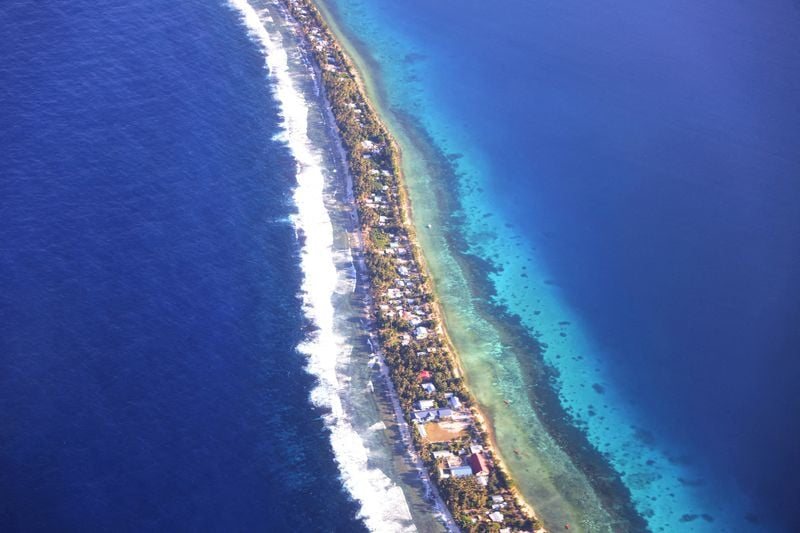
Pacific leaders are closely monitoring Tuvalu's pioneering land reclamation project, which seeks to raise the island nation's landmass above rising sea levels, ahead of a critical United Nations climate summit. The effort underscores the urgent plight of low-lying atoll states and the increasing focus on adaptation measures as global climate negotiations intensify.
Tuvalu, a Polynesian country comprising nine small islands with a total land area of about 26 square kilometres, is among the most vulnerable nations to climate change. With a maximum elevation of just a few metres above sea level, much of its territory is at risk of being submerged within decades. The reclamation project involves dredging sand and coral from the surrounding lagoon to elevate and expand existing land, creating a more resilient base for homes, infrastructure, and agriculture.
The initiative has attracted attention from other Pacific island nations facing similar threats, including Kiribati, the Marshall Islands, and the Maldives. Leaders from these countries are watching Tuvalu's progress as a potential model for their own adaptation strategies. The project is also being viewed as a test case for how small states can use engineering solutions to preserve their sovereignty and cultural heritage in the face of environmental displacement.
Funding for the reclamation effort has come from a mix of international donors, including contributions from developed nations and multilateral climate funds. However, the total cost remains substantial, and questions persist about the long-term sustainability of such projects. Critics argue that reclamation may damage fragile coral reef ecosystems and that it addresses symptoms rather than the root cause of climate change—greenhouse gas emissions.
Tuvalu's government has been vocal in international forums, calling for stronger global commitments to reduce emissions and for increased financial support for adaptation. The upcoming UN climate summit, where nations will review progress under the Paris Agreement, is seen as a pivotal moment for securing additional resources and political will. Pacific leaders are expected to use the summit to highlight the reclamation project as evidence of both the severity of the crisis and the potential for innovative responses.
The project also carries significant geopolitical implications. As climate change reshapes the Pacific, strategic interests from larger powers, including Australia, New Zealand, China, and the United States, are intensifying. Tuvalu's efforts to maintain its territorial integrity could influence regional security dynamics and set precedents for international law regarding statehood and maritime boundaries in the context of rising seas.
For the people of Tuvalu, the reclamation project represents more than just physical survival; it is a bid to preserve a unique way of life. The nation's culture, language, and traditions are deeply tied to its land, and the prospect of relocation—often discussed as a last resort—remains deeply unpopular. The project offers a measure of hope that Tuvaluans may be able to remain on their ancestral islands.
As the UN summit approaches, the world will be watching whether Tuvalu's gamble pays off. The outcome could shape how the international community addresses the needs of climate-vulnerable states and whether adaptation finance becomes a central pillar of global climate policy. For now, the reclamation effort stands as a symbol of resilience and a stark reminder of the challenges ahead.
3