

Society 4 min read By Callum Montgomery
Reform MSP reports human rights lawyer to police over alleged hate speech at immigration protest
Thomas Kerr, a Reform UK MSP for Glasgow, has reported prominent human rights lawyer Aamer Anwar to Police Scotland over comments made during an immigration protest. Anwar has rejected the claims and accused the MSP of wasting police time.
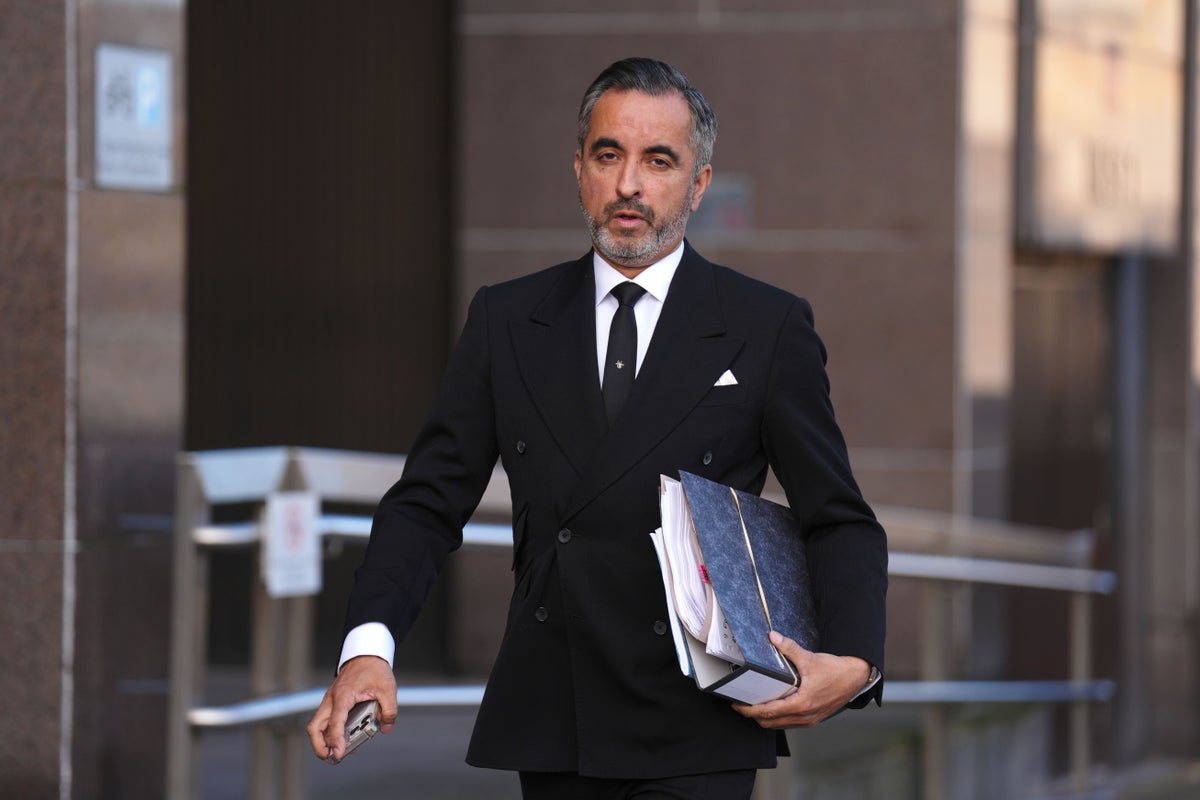
A Reform UK member of the Scottish Parliament has reported one of Scotland's most prominent human rights lawyers to the police over allegations of hate speech made during a protest against immigration. Thomas Kerr, who represents Glasgow for the party, said he had referred Aamer Anwar to Police Scotland after remarks allegedly made at the demonstration. Mr Anwar has strongly rejected the claims, describing them as baseless and accusing Mr Kerr of wasting police time.
The incident occurred at a recent immigration protest in Glasgow, a city that has seen a number of demonstrations on the issue in recent months. Mr Kerr, who was elected as a Reform MSP in the 2024 Scottish Parliament election, said the alleged comments were unacceptable and warranted a police investigation. He has been a vocal critic of current immigration policies and often speaks out on border control and asylum matters. Mr Anwar, one of the country's best-known human rights lawyers, responded by calling Mr Kerr a « wannabe tartan Tommy Robinson », a reference to the far-right activist and former English Defence League leader.
Mr Anwar, who has represented families affected by the Grenfell Tower fire and defended asylum seekers in numerous high‑profile cases, said the MSP's actions were an attempt to silence him. He accused Mr Kerr of misusing police resources and said the complaint was frivolous. The lawyer has a long record of campaigning against racism, injustice and government overreach, and his supporters argue that the referral is an effort to intimidate a legal figure who frequently challenges authority.
The complaint has reignited debate about the boundaries of free speech and the role of the police in handling political disputes. Hate speech laws in Scotland make it an offence to communicate or act in a manner that stirs up hatred against a group based on race, religion, sexual orientation or other protected characteristics. Police Scotland will now assess whether the remarks attributed to Mr Anwar meet the legal threshold for further investigation. Critics of such referrals warn that using police complaints to settle political scores risks chilling legitimate public debate, while supporters of the move argue that hate speech laws exist to protect communities from harm.
Mr Kerr's party, Reform UK, has gained ground in Scotland in recent elections, winning several seats on a platform that emphasises stricter immigration controls and a tougher line on law and order. The Glasgow MSP has been an outspoken voice on these issues, frequently attending and addressing protests. Mr Anwar, by contrast, has built a career defending those who are often marginalised, including asylum seekers and minority groups. The clash between the two figures highlights the growing polarisation around immigration in Scotland, a country that has historically prided itself on a welcoming approach but now faces increasingly heated public arguments over the issue.
The case is likely to be closely watched as it could set a precedent for how police handle similar complaints involving elected officials and activists. Both men have indicated they intend to pursue the matter further: Mr Kerr by ensuring the police investigation proceeds, and Mr Anwar by publicly challenging the legitimacy of the complaint. The outcome may influence how future protests are conducted and whether participants feel free to express strong opinions without fear of legal repercussions. For now, the dispute remains a political and legal standoff that underscores the deep divisions over immigration in Scottish society.