Society 5 min read By Callum Montgomery
New Bill Seeks to Secure Housing and Healthcare Rights for Britain’s Waterway Residents
A proposed 'Boat Bill' aims to address the lack of housing rights and healthcare access for thousands of Britons living on canals and rivers, as current laws leave them without legal recognition as residents.
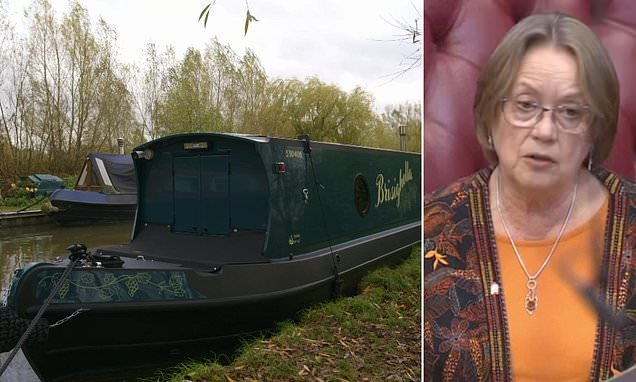
A new piece of legislation, informally dubbed the «Boat Bill,» is set to be introduced in Parliament to tackle the precarious legal status of thousands of Britons who live permanently on the country’s canals and rivers. The bill seeks to grant those residing on waterways the same housing rights and access to healthcare that are routinely available to people living in conventional homes, addressing a long-standing gap in the law.
At present, individuals who live on boats—often referred to as continuous cruisers or permanent moorers—are not classified as having a fixed address under UK law. This legal ambiguity means they can be denied the right to register with a GP, access mental health services, or receive social care support. They are also frequently excluded from housing assistance programmes, as local authorities do not recognise a boat as a permanent residence for the purposes of homelessness applications or housing benefit.
The bill is being championed by a cross-party group of MPs and campaigners who argue that the current system effectively penalises people for choosing an alternative lifestyle or for being unable to afford rising rents and house prices. According to the latest data from the Canal & River Trust, more than 35,000 boats are registered on England and Wales’ inland waterways, with a significant proportion occupied as primary homes. The number has grown steadily over the past decade, driven by the housing crisis and a desire for a more mobile, low-cost way of living.
Supporters of the bill point out that the lack of a recognised address creates a cascade of problems. Without a fixed address, boat dwellers cannot easily open a bank account, obtain a driving licence, or register to vote. More critically, they struggle to prove their identity or eligibility for public services. Healthcare access is a particular concern: while NHS guidance states that GP practices should not refuse registration solely because a patient has no fixed address, many boat residents report being turned away or facing bureaucratic hurdles. The bill would explicitly require health authorities to accept a boat’s location or a mooring licence as a valid address for registration purposes.
The proposed legislation also aims to clarify housing rights. Under current rules, boat dwellers are not covered by the same protections against eviction that apply to tenants in bricks-and-mortar homes. If a local authority or navigation authority decides to enforce mooring restrictions or remove a boat, the occupant has very limited legal recourse. The bill would extend basic due-process protections, including notice periods and the right to appeal, to those living on waterways. It would also require councils to consider boat dwellers when assessing local housing needs and to include them in homelessness strategies.
Campaign groups such as the National Bargee Travellers Association (NBTA) and the Residential Boat Owners’ Association have welcomed the bill, describing it as a long-overdue step toward equality. They note that many boat residents are not wealthy leisure seekers but people on low incomes, including pensioners, disabled individuals, and single parents, who have turned to the waterways as an affordable housing option. The average cost of a narrowboat is significantly lower than the price of even a small flat in most parts of the country, making it one of the few remaining routes to homeownership for those on modest budgets.
Opposition to the bill is expected from some local authorities and navigation bodies, who argue that recognising boats as permanent homes could complicate waterway management, increase pressure on limited mooring spaces, and create enforcement challenges. The Canal & River Trust, which manages 2,000 miles of waterways, has expressed cautious support for the principle of better rights for boat dwellers but has called for careful consultation to avoid unintended consequences. The trust has also highlighted the need for investment in sanitation, waste disposal, and electricity hook-ups at mooring sites if the number of permanent residents grows.
The bill is scheduled for its first reading in the House of Commons later this month. If passed, it would mark a significant shift in how the UK treats its waterway communities, bringing them into the mainstream of housing and social policy for the first time. For the thousands of Britons who call the canals home, it could mean the difference between living on the margins and having a secure, recognised place in society.
101