Society 4 min read By Alice Ashford
Palace draws a firm institutional line around Harry and Meghan’s UK return
The Sussexes’ move back to Britain does not restore official royal duties. Buckingham Palace has clarified that their office, charity and commercial activity remain private while security is handled through a separate state process.
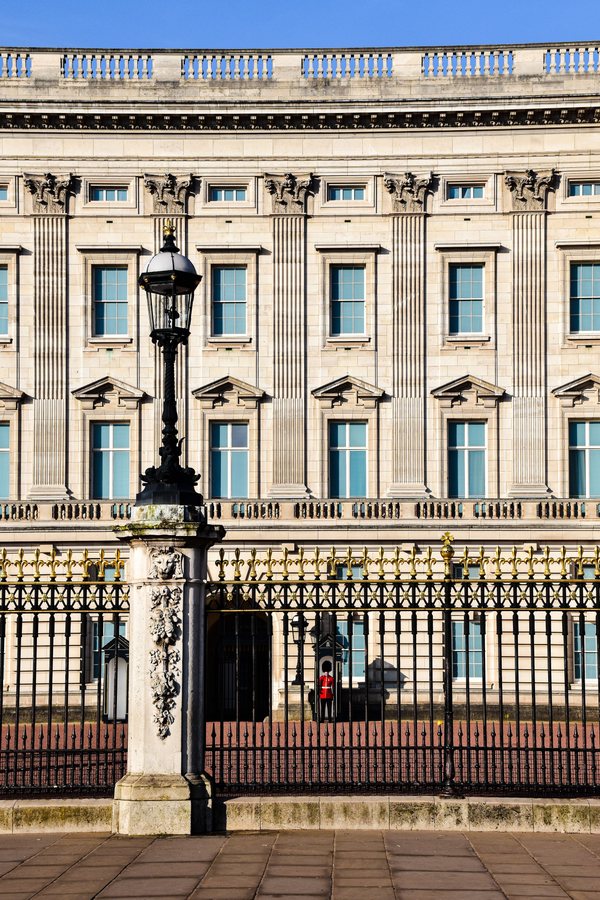
Buckingham Palace has used Prince Harry and Meghan’s return to Britain to restate an institutional boundary that has sometimes been obscured by the language of family, title and public celebrity.
The Duke and Duchess of Sussex remain non-working members of the Royal Family. A formal letter from the Lord Chamberlain, issued on behalf of King Charles III, says their move back to the UK does not change the settlement under which they stopped carrying out representative duties for the sovereign.
For institutions that may deal with the couple, the practical distinction is straightforward. Harry and Meghan are not part of the working Royal Household. Their office operates separately. Their charitable activity is undertaken privately. Their commercial interests are their own. Public bodies should therefore not treat an appearance by the couple as an official royal engagement unless there is a separate, explicit reason to do so.
The palace also clarified the status of their styles. Harry and Meghan remain Duke and Duchess of Sussex, but the styles His Royal Highness and Her Royal Highness remain in abeyance and are not used. The difference between a peerage title and an HRH style may sound ceremonial, but it helps define how the couple are represented in official contexts.
This arrangement was designed to solve a governance problem that emerged in 2020: the difficulty of combining formal royal representation with financial independence and private commercial work. The late Queen rejected a ‘half-in, half-out’ model. The new letter shows that King Charles is maintaining the same basic architecture despite his son’s return to the country.
The couple’s physical presence in Britain makes the question more practical than it was while they lived in California. Government departments, the armed forces, charities and lord lieutenants may encounter Harry and Meghan at events. A prominent person with a royal title can easily be perceived as representing the Crown even when no such mandate exists.
The Lord Chamberlain’s letter appears intended to remove that ambiguity. It was reportedly distributed to senior government and military offices and local representatives. In institutional terms, this is less a family message than a protocol instruction.
Security sits outside that structure. Harry has argued that his risk profile justifies police protection now that his family lives in the UK. RAVEC is considering arrangements, while the palace letter directs operational questions to the relevant police authorities. The outcome of a security assessment should not be confused with restoration of working royal status.
That distinction matters because protection in Britain is not simply a ceremonial privilege. It is a risk-based state function. Former public office holders and other high-profile individuals can receive protection without holding an active constitutional role, while being a member of the royal family does not automatically dictate one fixed level of security.
The release process has nevertheless created political and family tension. The Sussex office says it received the letter only about an hour before publication and was surprised by the timing. That may influence relations between the two households, but it does not alter the content of the institutional settlement.
For organisations interacting with Harry and Meghan, the operating rule is now explicit: treat them as private principals with royal family connections, titles and public profiles, not as representatives of the sovereign.
The unresolved question is therefore security, not status. Buckingham Palace has made clear that returning to Britain changes geography. It does not restore a constitutional job.
73