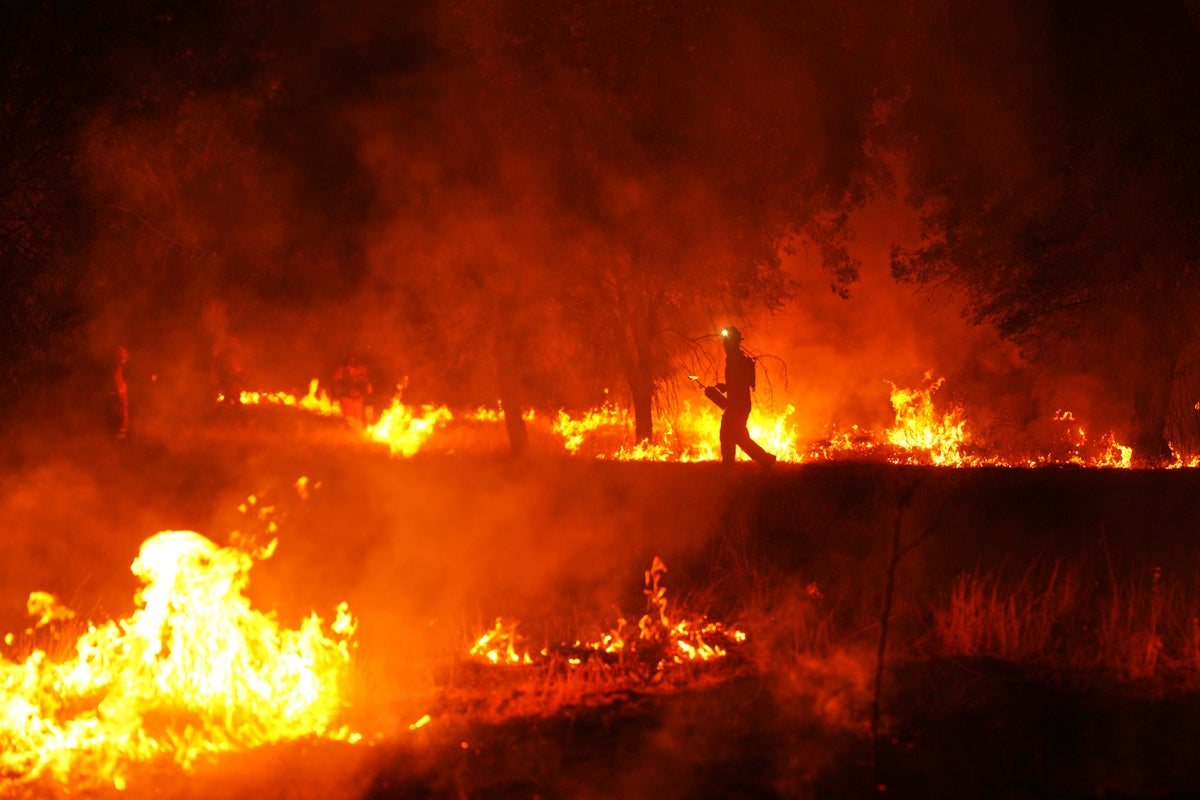
France and Spain are engaged in a desperate race to control massive wildfires before a new heatwave sweeps across the region, with officials describing the situation as unprecedented since the Second World War. The blazes, which have already forced thousands of people from their homes and destroyed large areas of forest, are being fuelled by prolonged drought and record-breaking temperatures. The United Nations has warned that « the climate alarm is blaring », urging governments to take immediate action to prevent further catastrophes.
French President Emmanuel Macron said the country was facing its most difficult fire-related crisis since the Second World War, a stark assessment echoed by the French prime minister, who stated that the fires had reached « a level that has never been seen before ». In Spain, the prime minister also acknowledged the severity of the situation, saying the fires served as a reminder to plan for the « worsening » climate emergency. Both countries have mobilised thousands of firefighters, military personnel, and aerial resources to battle the flames.
The new heatwave, expected to push temperatures above 40 degrees Celsius in parts of southern France and Spain, threatens to further inflame already dangerous conditions. Authorities have issued red alerts in several departments, urging residents to remain vigilant and avoid travel. In the Bordeaux region of France, which has been particularly hard hit, officials warned that the combination of high temperatures, low humidity, and strong winds could make the fires even more unpredictable and difficult to contain.
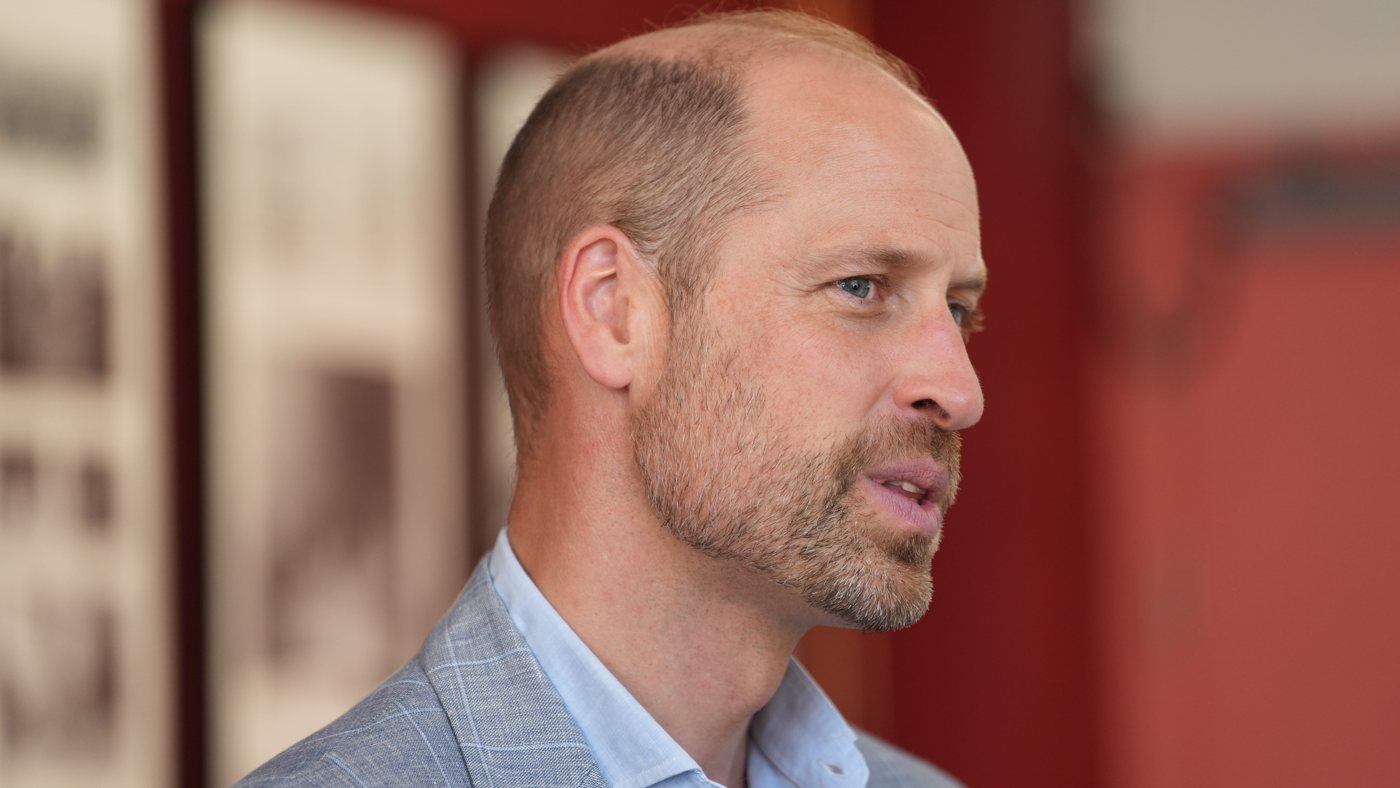
Prince William, in a personal message, praised firefighters and emergency responders tackling the wildfires across Europe and said the blazes highlighted an « increasingly extreme climate ». He described the devastation as a « stark reminder » of the urgent need to address global warming. His comments came as tourists caught up in the chaos shared their experiences. One visitor to the French coast recalled how « bizarre » it was to watch people enjoying holidays on the beach while a major catastrophe was unfolding in full view, wondering aloud: « Is this how the world ends? »
In Spain, the worst-affected areas include the central region near Madrid and parts of Catalonia. Firefighters have been working around the clock to protect homes and infrastructure, but officials admit that the scale of the fires is overwhelming. Evacuation centres have been set up in schools and sports halls to accommodate displaced residents and tourists. The Spanish prime minister urged citizens to follow safety instructions and expressed gratitude to the emergency services for their tireless efforts.
The UN's warning comes as scientists point to a link between climate change and the increasing frequency and intensity of wildfires. Europe has experienced several severe heatwaves this summer, with temperatures breaking records in multiple countries. The situation in France and Spain is part of a broader pattern affecting the Mediterranean region, where dry conditions and high temperatures are creating ideal conditions for fires to spread rapidly. Environmental groups have called on governments to invest more in fire prevention, forest management, and renewable energy to reduce the risk of future disasters.
Despite the immense challenges, there have been some small victories. In parts of southwestern France, firefighters managed to stabilise the perimeter of the largest fire overnight, offering a glimmer of hope. However, with the new heatwave expected to last several days, the battle is far from over. Emergency services remain on high alert, and additional reinforcements have been requested from neighbouring countries. The coming days will be critical in determining whether the fires can be brought under control or whether they will spread further.
The human cost is already significant. Dozens of homes have been destroyed, and thousands of hectares of forest and farmland have been scorched. Local communities are struggling to cope with the scale of the damage, and many have lost their livelihoods. The French and Spanish governments have promised financial support for those affected, but the emotional and environmental toll will take years to recover from. As one resident in Bordeaux put it: « We have never seen anything like this. It feels like the end of the world. »