

Society 3 min read By Callum Montgomery
Four men arrested over 25,000-tonne illegal toxic waste dump in Wigan
Four men have been arrested over a 25,000-tonne illegal toxic waste dump in Wigan that has blighted the local community. The site is to be cleared with central government paying for the operation.
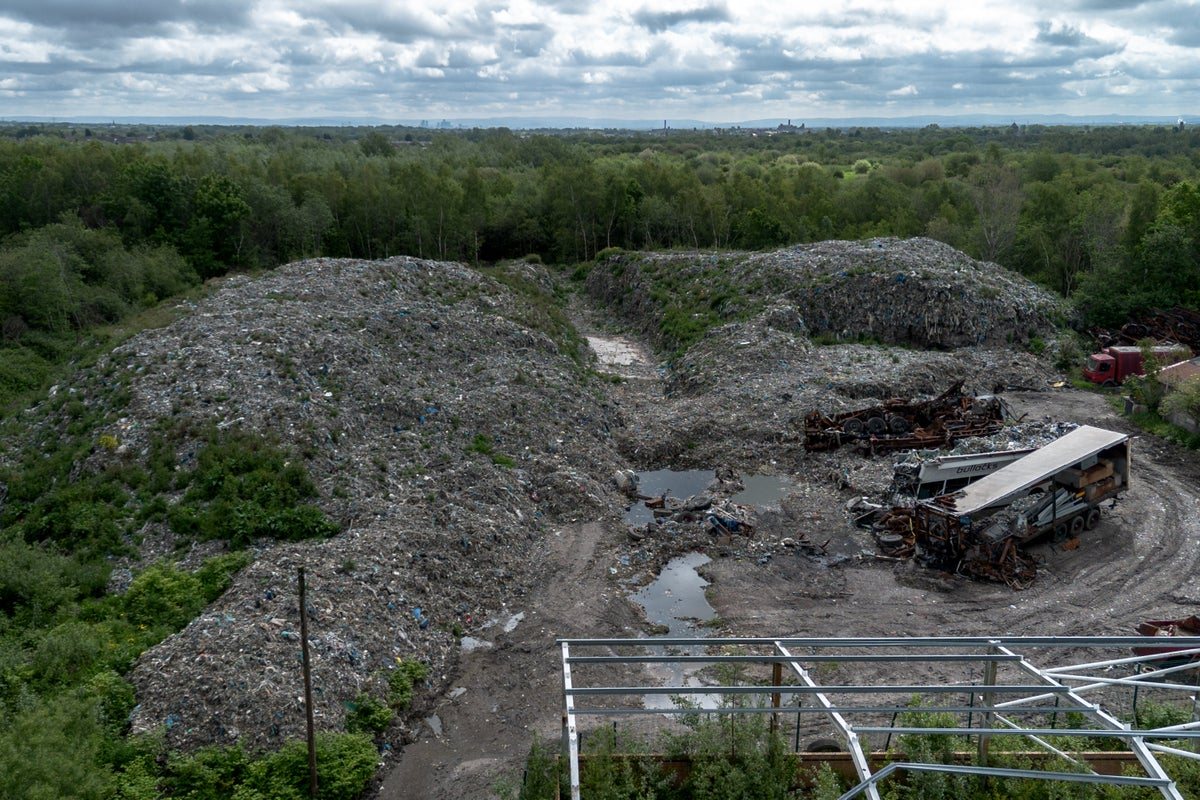
Four men have been arrested in connection with an illegal toxic waste dump of about 25,000 tonnes in Wigan, a site that has blighted the local community and is now expected to be cleared with central government paying for the operation.
The arrests follow an investigation into a dump that has been described as «infamous». Officers detained the suspects after inquiries into the unlawful tipping of large quantities of toxic material. The site has become a serious problem for the surrounding area, and its size has made it one of the most visible examples of illegal waste crime in the region. The scale of the deposit has also made the clear-up a more complex task than the removal of an ordinary fly-tipping pile.
The scale of the operation was underlined by confirmation that central government will pay for the clear-up. The site contains huge quantities of toxic material, and the work involved is expected to be substantial. For residents, the announcement means the land should finally be dealt with rather than left to deteriorate.
Andy Burnham, the Mayor of Greater Manchester, has spoken after the suspects were detained. The Wigan site has become widely known because of the sheer volume of waste involved, and the arrests have brought the issue back into the spotlight.
The investigation that led to the arrests focused on the illegal deposit of an estimated 25,000 tonnes of waste. That figure gives some idea of the size of the problem facing the authorities. What began as an unlawful dumping operation has grown into a major environmental issue, with the toxic content of the material adding to the concerns of people in the area. Those concerns are unlikely to disappear until the waste is actually removed and the land made safe again.
The arrests are the latest stage in a case that has become a symbol of the damage caused by serious waste crime. Illegal operators who dump hazardous material can leave communities living alongside dangerous sites for long periods, and the consequences can be felt long after the dump has stopped growing. By confirming that central government will fund the removal, the authorities have acknowledged the exceptional nature of this incident and the need for a properly resourced response.
For the local community, the confirmation that the waste will be removed is the most important outcome. A site of this kind changes the character of a neighbourhood and creates uncertainty about the safety of the area. The priority now is to carry out the clear-up at the earliest opportunity and to make sure that the land is restored to a safe condition.