Economy 5 min read By Bethany Hadley
Dow Slides as US Bond Yields Hit 5% and Bitcoin Tops $80,500
Rising Treasury yields weigh on the Dow while bitcoin surges past $80,500, lifting crypto-linked equities and signalling a sharp divergence in global risk appetite.

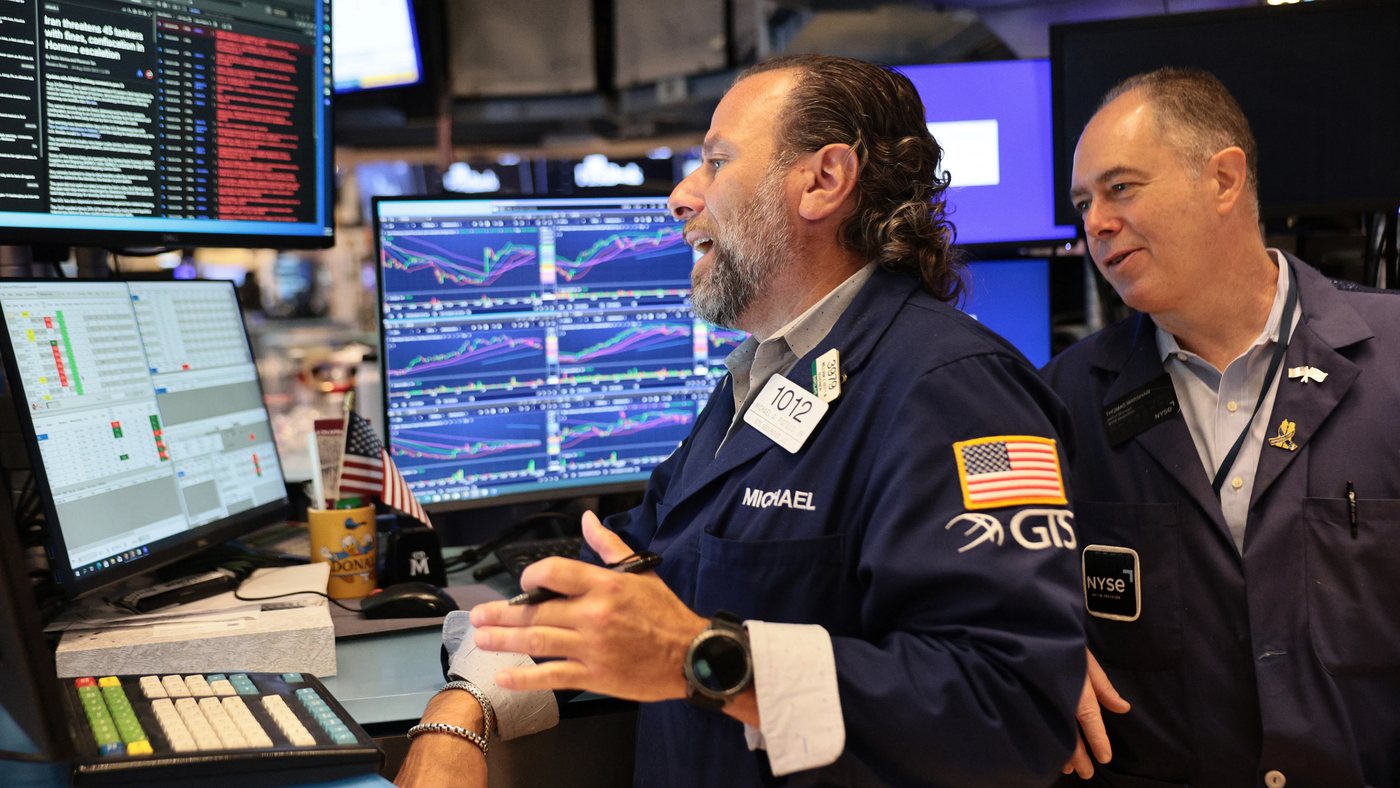
US stock markets faced renewed pressure as the yield on benchmark government bonds reached 5 per cent, a level that has historically unsettled equity valuations. The Dow Jones Industrial Average bore the brunt of the selling, with investors rotating away from rate-sensitive sectors. The move reflects growing anxiety that borrowing costs will remain elevated for longer than previously expected, squeezing corporate margins and consumer demand.
The yield milestone matters because it resets the relative appeal of stocks versus bonds. When the risk-free rate climbs to 5 per cent, the discount applied to future corporate earnings increases, making high-multiple growth shares less attractive. The Dow, which is weighted towards industrial and financial heavyweights, is particularly exposed to shifts in the rates outlook. Market participants are now watching whether the yield holds at this level or pushes higher, a scenario that could trigger further equity outflows.
In stark contrast to the equity retreat, bitcoin surged past $80,500, extending a rally that has gathered pace in recent weeks. The cryptocurrency's advance lifted shares in Strategy, a company widely viewed as a proxy for institutional bitcoin exposure. The divergence between falling blue-chip stocks and a soaring digital asset underscores a market increasingly split between traditional rate-sensitive plays and speculative growth bets.
The bitcoin move is notable because it comes against a backdrop of rising yields, a combination that would ordinarily weigh on risk assets. Analysts attribute the resilience to a combination of ETF inflows, anticipation of a more favourable regulatory environment, and a broader reassessment of bitcoin's role in portfolios. The $80,500 level marks a fresh record, and traders are now eyeing the next psychological barrier.
Energy prices also drew attention, with oil markets responding to supply signals and geopolitical risk. Moves in crude can feed directly into inflation expectations, which in turn influence bond yields and central bank policy. For UK investors, the global rates picture is especially relevant because it affects sterling, gilt yields, and the cost of corporate borrowing. A sustained 5 per cent US yield tends to tighten global financial conditions, putting pressure on economies that rely on external financing.
Technology shares were mixed. Apple and chipmakers including AMD and Micron traded in a narrow range as the market digested the rates backdrop. Semiconductor demand remains a key swing factor for the sector, with investors weighing inventory levels against longer-term demand for AI infrastructure. Sandisk also featured among the stocks in focus, reflecting continued interest in memory and storage plays.
The broader question for markets is whether the 5 per cent yield represents a peak or a new normal. If inflation data continues to surprise on the upside, central banks may keep policy restrictive for longer, extending the pressure on equities. Conversely, any sign of cooling price pressures could quickly reverse the bond sell-off and revive risk appetite. For now, the market is pricing in caution, with the Dow underperforming and crypto assets capturing the speculative bid.
For British businesses and investors, the implications are twofold. Higher US yields tend to strengthen the dollar, making imports more expensive and complicating the inflation outlook. They also raise the hurdle rate for UK corporates seeking to refinance debt or attract equity capital. The divergence between traditional equities and digital assets adds another layer of uncertainty, as portfolio managers reassess how much exposure to allocate to each.
With bitcoin above $80,500 and the Dow under pressure, the coming sessions will test whether this split persists or resolves. Much depends on the next round of economic data and signals from central banks. For now, the message from markets is clear: the cost of money is rising, and not all assets are responding in the same way.