Society 6 min read By Bethany Hadley
England’s 1am World Cup kick-off poses challenges for parents, schools and police
England’s World Cup last-16 match against Mexico kicks off at 1am BST on Monday, prompting parents, schools, fans and police to prepare for a night of disrupted sleep and potential social disruption.
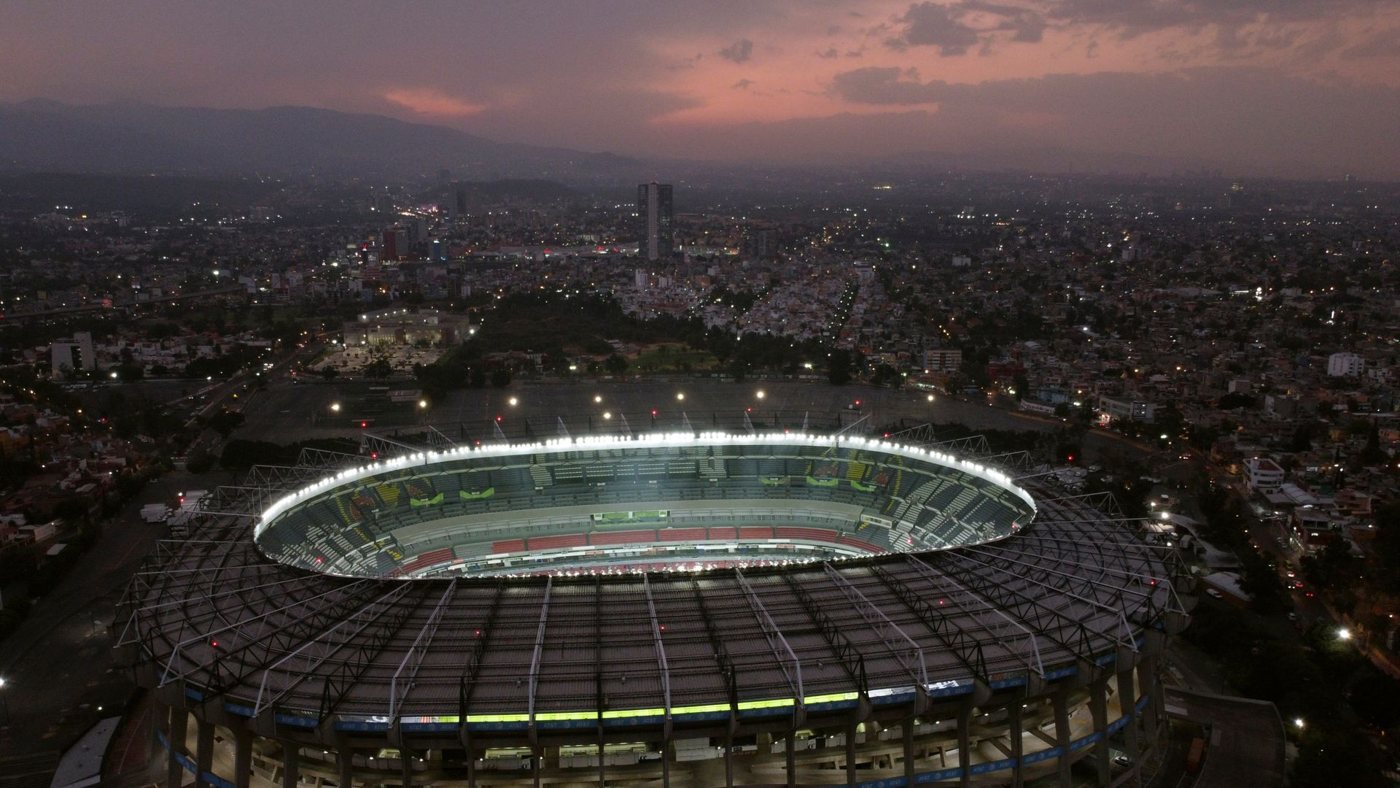
England’s World Cup last-16 tie against Mexico will kick off at 1am BST on Monday, a scheduling decision that has forced parents, schools, fans and police to make unusual preparations for a major football fixture. The late-night start, confirmed after days of confusion over a possible time change, means millions of supporters across the country will have to decide whether to stay up into the early hours or risk missing a crucial knockout match.
The match, which pits Gareth Southgate’s side against a formidable Mexican team, has generated intense excitement among England fans. However, the 1am kick-off — a result of the tournament being hosted in a time zone several hours behind the UK — has created a logistical headache for families and institutions. Many parents are grappling with the dilemma of allowing children to stay up late to watch the game, knowing that Monday morning will bring school and work commitments.
Schools across England are bracing for a wave of tired and distracted pupils on Monday. Some headteachers have already warned parents that attendance and punctuality will be expected as normal, while others have issued guidance on how to manage the situation. The National Association of Head Teachers has advised schools to be «understanding» of the circumstances, but has stopped short of recommending any official leniency. In a statement, the association noted that many families will have made their own arrangements, and that schools should focus on maintaining a calm and productive learning environment.
Police forces are also preparing for a challenging night. The combination of late-night drinking and heightened emotions around a major football match has historically led to an increase in alcohol-related incidents and public order offences. Officers in several cities, including London, Manchester and Birmingham, have announced additional patrols and a visible presence in town centres and near fan zones. The police have urged fans to drink responsibly and to plan their journeys home in advance, particularly given that public transport services will be limited after midnight.
For many fans, the 1am start presents a test of endurance. Pubs and bars that usually close at 11pm or midnight have applied for special licences to stay open for the match, while others have opted to open early for breakfast screenings. The British Beer and Pub Association has estimated that hundreds of venues across the country will serve customers through the night, contributing to a surge in late-night trade. However, the association has also cautioned that the timing could reduce overall attendance compared to a more conventional evening kick-off.
The confusion over the kick-off time added to the tension. Earlier in the week, reports emerged that FIFA had considered moving the match to an earlier slot due to a forecast of severe weather in the host city. England’s players and coaching staff were reportedly frustrated by the lack of clear communication from the governing body, learning about the potential change through media reports rather than official channels. After talks between FIFA and local organisers, the decision was made to keep the original 1am start, citing the logistical complexity of rescheduling a knockout fixture at short notice.
The match itself carries significant weight. England have not won the World Cup since 1966, and the current squad is regarded as one of the strongest in recent memory. A victory over Mexico would set up a quarter-final clash against either France or Argentina, raising hopes of a deep run in the tournament. For fans, the early-morning kick-off is a small price to pay for the chance to see their team progress.
Nevertheless, the social impact of the late start is already being felt. Parenting forums and social media are filled with discussions about how to handle the situation. Some parents have said they will let their children stay up and then keep them home from school on Monday, while others plan to record the match and watch it later. A minority have expressed concern that the timing could lead to arguments within families and increased stress for working parents.
Health experts have also weighed in, warning that a single night of disrupted sleep is unlikely to cause long-term harm but could affect concentration and mood the following day. The Sleep Charity has advised fans to take a short nap before the match and to avoid caffeine in the hours after the final whistle. For children, the charity recommends setting clear expectations about bedtime and school attendance in advance.
As the nation prepares for an unusual Monday morning, the overriding sentiment among fans is one of cautious optimism. The match represents an opportunity for England to take another step towards ending decades of disappointment. Whether the country will be bleary-eyed or jubilant by dawn remains to be seen.
92