
Society 5 min read By Arthur Ellington
Eight in 10 Britons want dementia made a national healthcare priority, poll finds
A new survey reveals that 80% of Britons believe dementia should be a national healthcare priority, yet few think the government is doing enough to address the crisis.
A significant majority of the British public wants dementia to be made a national healthcare priority, but confidence in the government's efforts to tackle the condition remains low, according to a new poll. The survey, conducted by a leading research organisation, found that eight in 10 Britons believe dementia should be a top priority for the National Health Service and the government. However, only a small fraction of respondents think the current administration is doing enough to address the growing crisis.
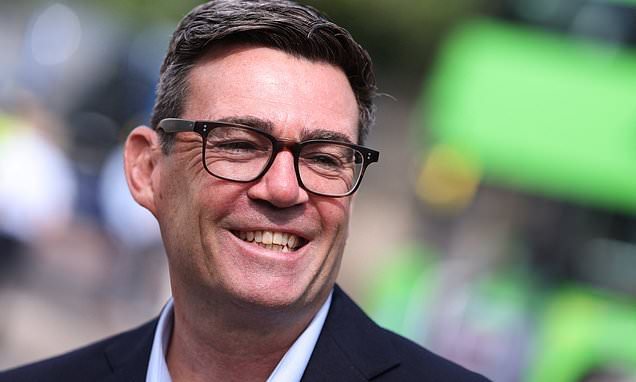
The findings come as Greater Manchester Mayor Andy Burnham, a former health secretary, has been increasingly vocal about the need for a dedicated national strategy on dementia. Burnham, who has made health and social care a central part of his mayoral platform, has called for more funding, better early diagnosis, and improved support for families affected by the condition. The poll suggests that the public shares his sense of urgency, with many respondents expressing frustration at the lack of progress.
Dementia, including Alzheimer's disease, is one of the leading causes of death in the United Kingdom, affecting an estimated 900,000 people. The number is expected to rise sharply as the population ages, placing even greater strain on the NHS and social care systems. Despite this, the government has been criticised for not treating dementia with the same urgency as other health priorities, such as cancer or heart disease. The poll indicates that this perceived neglect is out of step with public opinion.
The survey also highlighted regional variations in attitudes, with respondents in the North of England, where Burnham is based, expressing particularly strong support for making dementia a priority. Many cited personal experience with the condition, either through caring for a relative or knowing someone affected. This grassroots concern has fuelled calls for a cross-party consensus on dementia policy, with advocates arguing that the issue transcends political divisions.
Burnham has previously argued that the government must adopt a more ambitious approach, including investing in research, expanding access to treatments, and integrating dementia care into broader health reforms. His proposals have drawn support from charities such as the Alzheimer's Society, which has long campaigned for a national dementia strategy. The charity's chief executive said the poll results show that the public is ahead of politicians on this issue and urged the government to listen.
The government has defended its record, pointing to increased funding for dementia research and the launch of a new national plan for neurodegenerative diseases. However, critics argue that these measures fall short of what is needed, particularly in light of the social care crisis. The poll suggests that the public agrees, with many respondents saying they want to see more concrete action, such as guaranteed access to specialist care and better support for unpaid carers.
The issue is likely to feature prominently in the upcoming political debates, as parties jostle for position ahead of the next general election. Burnham, who has been touted as a potential future Labour leader, has made dementia a signature issue, positioning himself as a champion for older people and their families. His stance has resonated with voters, many of whom see dementia as a litmus test for the government's commitment to the NHS and social care.
Health experts have warned that without urgent action, the dementia crisis will only worsen, with the number of cases projected to exceed one million within the next decade. They have called for a comprehensive strategy that includes prevention, early diagnosis, and better long-term care. The poll suggests that the public is ready for such a strategy, and that the government risks losing credibility if it fails to act.
In response to the survey, a spokesperson for the Department of Health and Social Care said the government is committed to improving dementia care and has invested billions in research and services. But the poll indicates that this message is not reaching the public, with many respondents saying they feel the government is not doing enough. The gap between official policy and public perception is likely to become a key battleground in the months ahead.
85