Society 5 min read By Bethany Hadley
Andy Burnham urged to prioritise honesty, integrity and climate action
Guardian readers call on new Prime Minister Andy Burnham to govern with honesty, integrity and courage, with climate change, cost of living and health and social care topping their list of concerns.
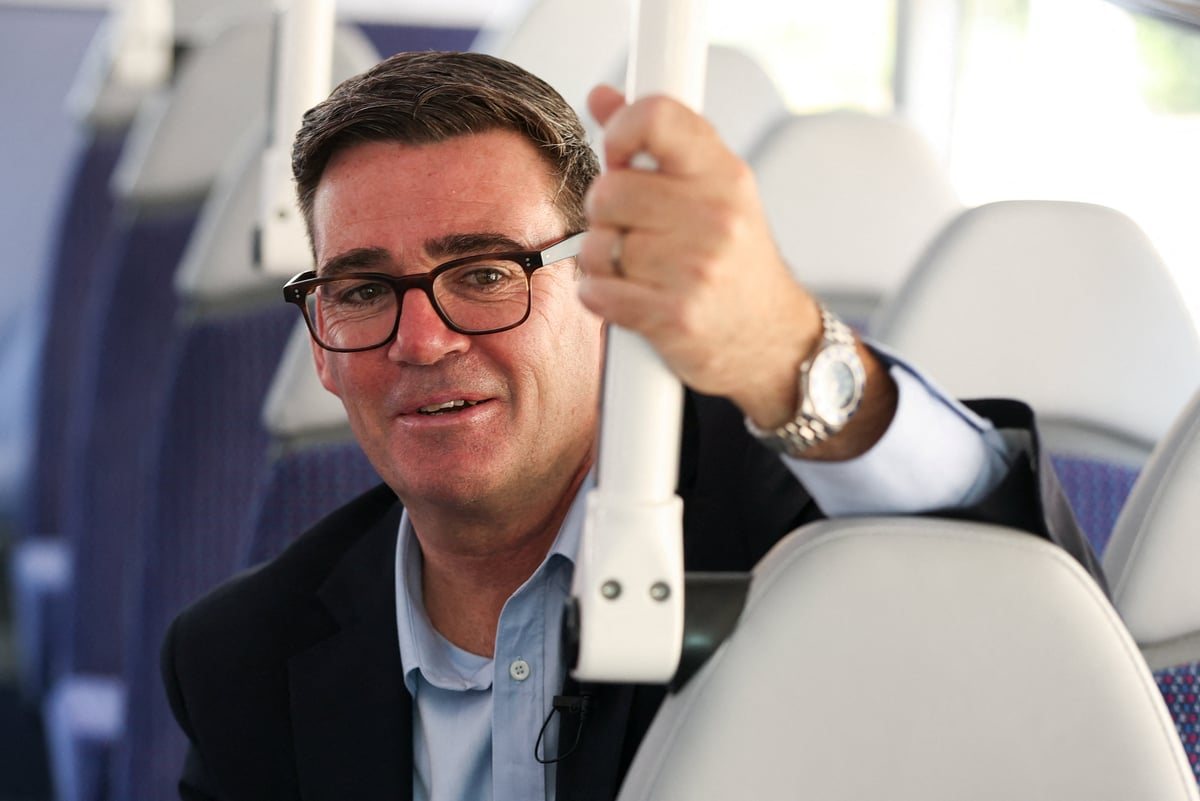
As Andy Burnham enters Downing Street as the UK's fifth prime minister in four years, members of the public are urging him to govern with honesty, integrity and courage, and to focus on a small number of big issues rather than spreading himself too thin. In a recent online call-out by the Guardian, around 400 people from across the country shared their hopes and expectations for the new Labour leader, who succeeded Keir Starmer after the 2024 general election.
The most frequently mentioned values that respondents wanted Burnham to embody were honesty, integrity and courage. Many expressed a desire for a leader who would communicate clearly and directly with the public, avoiding the spin and evasion that has characterised recent administrations. One reader from Manchester, where Burnham previously served as mayor, said: «Do a few big things well, rather than many things badly.» This sentiment was echoed by several others who called for a focused, principled approach to governance.
On policy, the dominant issues were climate change, the cost of living crisis, and health and social care. Readers urged Burnham to take bold action on environmental targets, including accelerating the transition to renewable energy and improving home insulation to reduce energy bills. The cost of living was a recurring theme, with many calling for measures to ease financial pressure on households, such as increasing the personal allowance for income tax — a topic that has already sparked controversy in the early days of his premiership.
Health and social care also featured prominently, with respondents demanding a long-term plan to fix the NHS and social care system. Some called for a reversal of privatisation in the health service, while others emphasised the need for better pay and conditions for care workers. The issue of social care funding, which has been a political football for decades, was seen as a test of Burnham's commitment to reform.
Several readers highlighted the importance of rebuilding trust in politics. After a period of instability — with five prime ministers in four years — many said they wanted a leader who would be transparent and accountable. One respondent from Yorkshire said: «I want a prime minister who tells the truth, even when it's uncomfortable.» Another from London added: «We need someone who listens to experts and to ordinary people, not just to lobbyists and donors.»
The call for courage extended to foreign policy as well. Some readers urged Burnham to take a strong stance on human rights and international cooperation, particularly on climate agreements and support for Ukraine. Others wanted him to prioritise domestic renewal over overseas adventures, arguing that the UK must first fix its own problems before trying to lead globally.
Burnham's first days in office have already been marked by a fiscal controversy over his comments on raising the income tax personal allowance. The new prime minister suggested that the threshold at which people start paying income tax could rise, a move that would benefit lower earners but could also reduce government revenue. Critics have questioned how such a policy would be funded, while supporters see it as a necessary step to ease the burden on struggling households.
The broader context of Burnham's rise to power is one of political turbulence. He replaces Keir Starmer, who won a landslide in 2024 but saw his popularity decline amid economic challenges and internal party divisions. Burnham, known for his tenure as mayor of Greater Manchester, has positioned himself as a unifying figure who can bridge the gap between the party's traditional working-class base and its more progressive urban supporters.
As the new government settles in, the message from the public is clear: act with integrity, communicate honestly, and focus on the big challenges facing the country. Whether Burnham can meet these expectations will define his premiership in the months and years ahead.
90