Politics 6 min read By Callum Montgomery
Zelenskyy Says Russia Keeps Hitting Energy Sites Despite Trump Ceasefire Claim
Ukraine's president told the Warsaw Security Forum that Moscow has continued striking power and gas facilities after Donald Trump announced an energy ceasefire, while the Kremlin declined to confirm any deal.
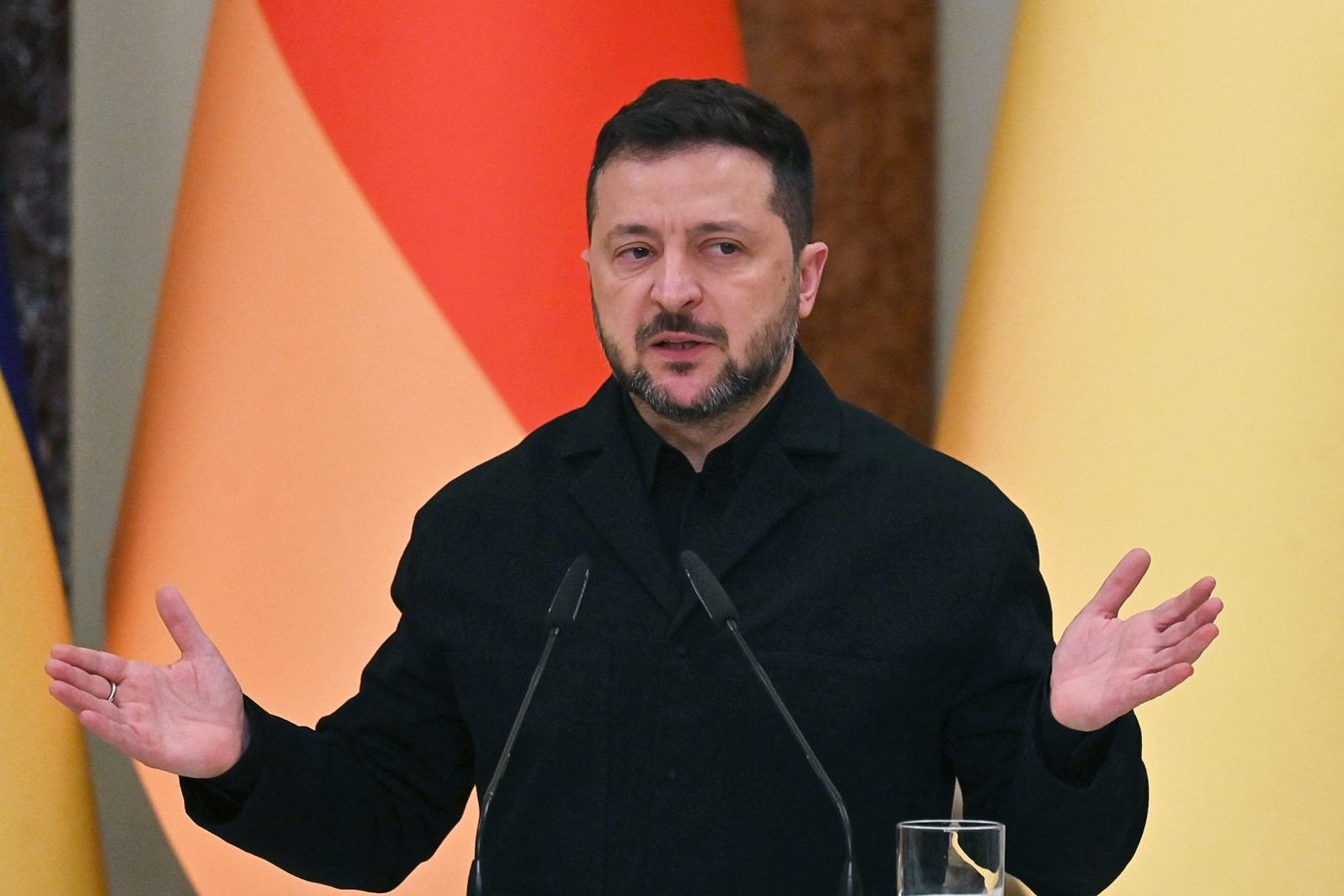
Volodymyr Zelenskyy has accused Russia of pressing ahead with strikes on Ukraine's energy infrastructure just hours after Donald Trump claimed the two warring sides had agreed an immediate pause on such attacks. Speaking at the Warsaw Security Forum in Poland, the Ukrainian president said Kyiv had learned of the purported deal only through media reports and had not received any confirmation from Moscow.
Trump said in a social media post that an energy ceasefire had taken effect at once and warned both sides not to break it, but offered no further detail. The Kremlin declined to say whether Russia had signed up to the arrangement. Asked about the claim, spokesman Dmitry Peskov would only say that «contacts are ongoing».
Zelenskyy said Ukraine would be willing to honour a mutual pause in strikes on energy sites if Russia did the same. «We support it, but I have not heard approval of this proposal from the Russian side,» he said. He added that Ukraine had been «horribly surprised» when, after Trump's announcement, Russian forces struck a series of energy targets, including a power plant in the north-eastern city of Kharkiv, a gas production facility and a civilian filling station. «It was clear that Putin does not read Truth Social,» he said, referring to the US president's social media platform.
The exchange is the second time Trump has announced a halt to energy strikes without a confirmed agreement. In a post in mid-September he said both countries had agreed «not to hit» each other's energy infrastructure, again without offering specifics, and that arrangement did not materialise.
Attacks on power generation have been a central feature of Russia's campaign, used to deprive Ukrainian civilians of electricity, heating and running water as winter approaches. Ukrainian officials describe the tactic as «weaponizing winter» and warn that Moscow could intensify it as temperatures fall. Ukraine has in turn struck Russian energy sites, including oil refineries, sometimes far inside Russian territory.
Those Ukrainian strikes have drawn criticism from Trump, who has blamed Zelenskyy for record US diesel prices rather than the US-led war in Iran, and who struck a deal with Vladimir Putin to import diesel from Russia in an effort to bring fuel costs down before the US midterm elections. On Monday Zelenskyy said Kyiv was ready to stop hitting Russian refineries if Moscow halted attacks on Ukraine's energy system, and urged Trump to press the Kremlin to agree. If Russia does not accept an energy ceasefire this winter, he said, «we will respond».
«We are waiting for the details of the conversation between the Americans and the Russians, and we are waiting to see what specific steps the Americans are ready to take,» he said. «This energy ceasefire can work, and it can become a major step toward ending the war.»
The European Union's top diplomat welcomed the prospect of a pause but said there was no sign Russia would respect it. «We haven't yet seen that also Russia will stick to it,» EU foreign policy chief Kaja Kallas said at a meeting of the bloc's foreign ministers in Luxembourg. «Personally, I would also welcome that the ceasefire would include people not being killed, not only energy.»
Trump's diesel purchase agreement has dismayed officials in the US, Ukraine and across Europe. A bipartisan group of six senators, including four Republicans, called on the administration to «immediately reverse course», arguing that Washington should «not provide Putin with a financial lifeline» while Russia is killing Ukrainian civilians. Kallas also pushed back on Trump's suggestion that Ukraine should get a new president, saying now is not the time to hold elections there, at least not without a ceasefire.
Zelenskyy said elections were impossible during wartime, particularly given new Russian tactics involving attacks by day and night, but that he would work towards holding them if Ukraine secured a full ceasefire lasting at least 60 days. Peskov responded that Putin would be ready to halt strikes on Ukraine «specifically on election day» in the event of a Ukrainian vote, and accused Kyiv of seeking a 60-day pause «to gather their strength, heal their wounds, and continue the war».
Fighting continued regardless. Two people were injured in Russian daytime strikes on Kyiv on Monday, according to the city's military administration, while falling debris sparked a fire in a private residential building in the Darnytskyi district. Debris also fell near homes in the Solomianskyi district and on a warehouse in the Darnytskyi district, with emergency services dispatched to the scenes. A Russian drone attack on the village of Pisochyn in the Kharkiv district the previous evening killed three people and injured nine others, including children, according to the regional prosecutor's office. Investigators said the strike hit a densely populated area near apartment blocks and grocery stores and started a fire. Ukraine's air force said its defences shot down or suppressed 89 of 121 Russian drones overnight.
5