Politics 3 min read By Bethany Hadley
European Intelligence Warns Russia Targeting Defence Industry Executives
European intelligence services have warned that Russia is intensifying a campaign against the continent's defence sector, with managers and senior executives now identified as priority targets alongside industrial facilities. Companies are tightening protection for chief executives and key personnel.
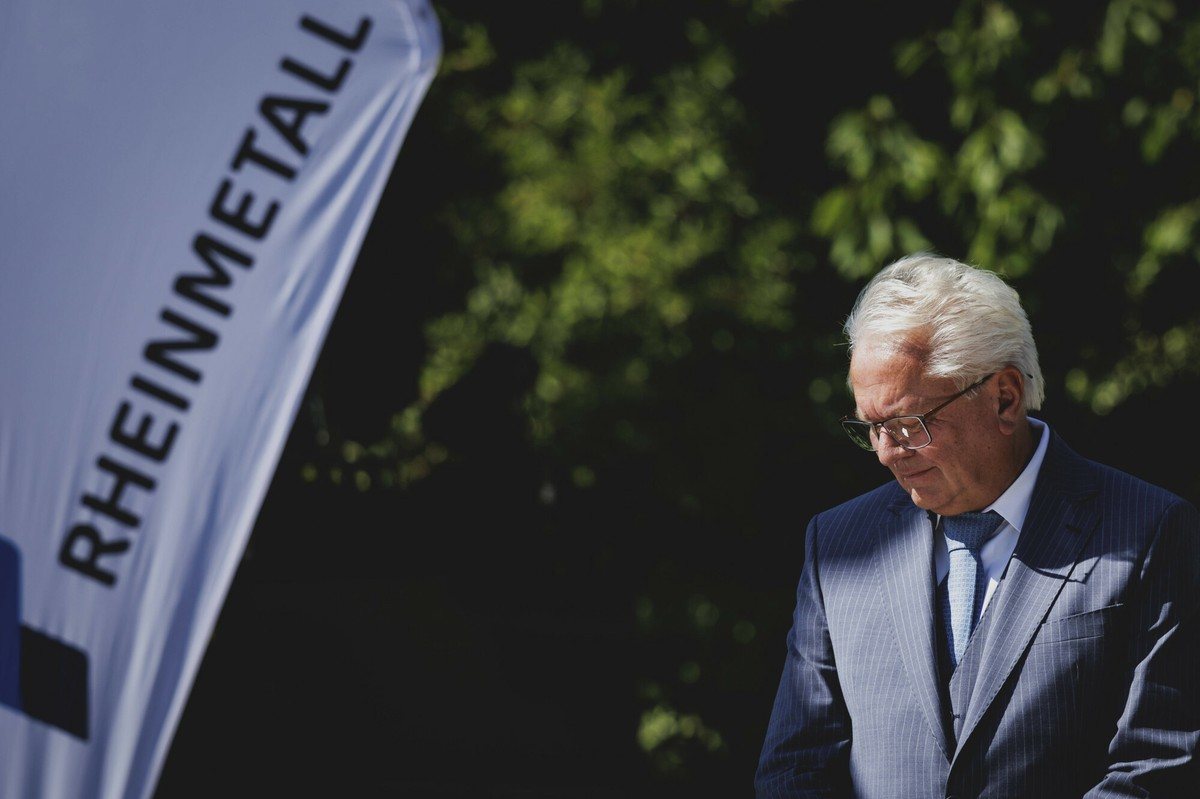
European intelligence services have warned that Russia is broadening its campaign against the continent's defence industry, with senior managers and executives now treated as priority targets alongside production facilities. The shift marks a change in strategy that moves beyond infrastructure sabotage towards individuals who run the companies supplying weapons and equipment to European armed forces.
According to information reported by the Financial Times, the threat is no longer confined to factories, warehouses and logistics hubs. Managers at defence contractors are increasingly being singled out, prompting firms across the sector to strengthen security for chief executives and other key employees. The measures include closer personal protection, tighter vetting of travel and communications, and revised internal protocols for staff who may be identifiable to hostile actors.
The warning reflects a wider pattern of pressure on Europe's defence industrial base as governments ramp up military production in response to the war in Ukraine and broader security tensions with Moscow. Defence companies have expanded output and hired additional staff, raising their public profile and, according to intelligence assessments, their exposure to foreign interference. Executives who appear at trade events, sign contracts or speak publicly about capacity expansions can be located and profiled with relative ease.
European services have not disclosed specific incidents publicly, but the alert to industry is being treated seriously by companies that have already invested in physical and digital security. Firms are reviewing access controls at plants, monitoring for surveillance of senior staff, and limiting the amount of detail published about individual managers. Some are also coordinating more closely with national authorities on threat assessments.
The campaign described by intelligence officials fits a broader approach that combines sabotage, cyber operations and influence activity against countries supporting Ukraine. Defence manufacturers sit at the centre of that effort because they convert political commitments into military capability. Disrupting production, or intimidating the people who oversee it, can slow deliveries and raise costs without a direct military confrontation.
For the UK and its European allies, the warning adds to pressure on government and industry to treat corporate leadership as part of critical national infrastructure. Protecting executives is now a security requirement rather than a private matter for individual firms. The coming months are likely to bring further guidance to the sector as intelligence agencies refine their understanding of Russian intent and capability.
7