Politics 6 min read By Bethany Hadley
US military says 1bn barrels of oil transited Hormuz as Iran exports stall
US Central Command says it has supported the transit of 1 billion barrels of oil through the Strait of Hormuz in two months, while claiming Iran has exported no crude. Shipping monitors say traffic remains well below prewar levels.
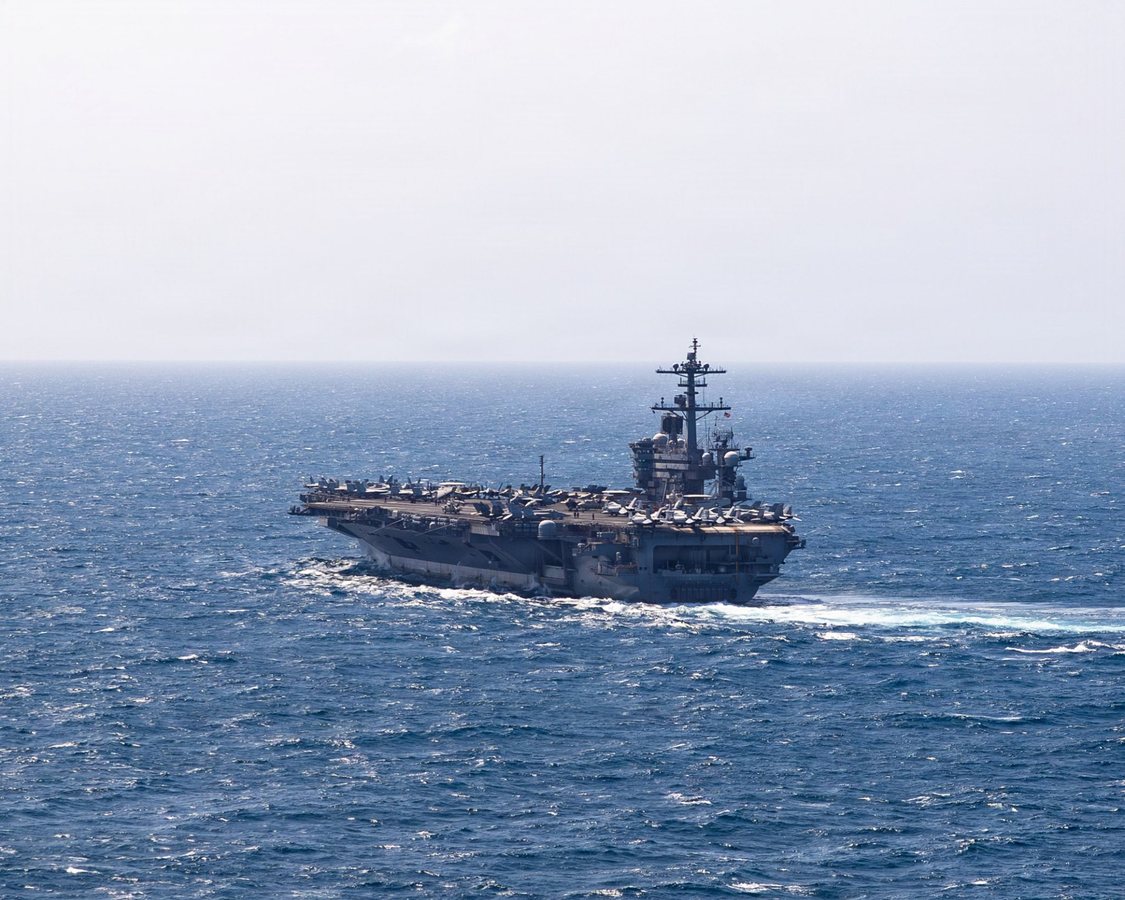
The US military has supported the transit of 1 billion barrels of oil through the Strait of Hormuz over the past two months, according to the head of US Central Command, who also claimed that Iran has exported «zero barrels» because of an American blockade.
Admiral Brad Cooper said the strait's primary transit lanes have been cleared of mines, and that the volume of oil, natural gas and cargo moving through the waterway over the past two weeks is the highest in six months — or shortly after the war began with US and Israeli strikes. The figures, if confirmed, would represent a significant reopening of a chokepoint through which about one-fifth of the world's traded oil and natural gas passed before the conflict.
But shipping monitors say traffic remains well below prewar levels, and Iran continues to attack ships as it asserts control over the waterway. The discrepancy between the US military's account and independent tracking suggests that while the corridor is functioning, it is far from normal.
The Strait of Hormuz has been the central economic battleground of the wider confrontation between the US, Israel and Iran. Before the war, roughly 20 million barrels of oil and petroleum products moved through the strait each day, making it the world's most important energy artery. Any sustained disruption threatens global prices, supply chains and the economies of import-dependent states far from the conflict.
Iran's response to the blockade has included attacks on shipping, which Tehran frames as an assertion of sovereignty over the waterway. The US has positioned naval assets to protect commercial traffic, and Cooper's statement is the clearest official claim yet that the escort and minesweeping operation is restoring flows.
The economic stakes extend well beyond the Gulf. Pakistan's Foreign Minister Ishaq Dar discussed uninterrupted energy supplies and safe passage for commercial ships in a telephone call with Iranian Foreign Minister Abbas Araghchi, according to Pakistan's Foreign Ministry. Dar cited the potential effects of disruptions on developing countries and global supply chains.
Rising energy prices have increased pressure on Pakistani Prime Minister Shehbaz Sharif's government, and an Islamist party has threatened to march on the capital, Islamabad, unless fuel prices are lowered. The call underlines how the Hormuz standoff is being felt across Asia, where many economies rely on Gulf crude.
The broader regional picture remains volatile. Saudi Arabia warned of a «hostile aerial threat» and issued emergency alerts across the kingdom overnight, including the first alert in Riyadh since an escalation in fighting with Iran-backed Houthi rebels in neighbouring Yemen. At least one explosion was heard in the capital, though no casualties or damage were reported. Saudi authorities did not say what prompted the alerts, but they have previously reported intercepting Houthi missiles and drones.
In Iran, state television said a man identified as Hossein Pedram was executed after being convicted of spying for Israel's intelligence agency Mossad. The report said he shared classified information on sensitive military sites in Isfahan province, including missile bases targeted during last year's 12-day air war by the US and Israel. A recent surge of executions in Iran has prompted an international outcry from rights groups.
Israel's military said it struck Hezbollah targets across several areas in southern Lebanon after two soldiers were wounded when their vehicle drove over a Hezbollah explosive device in an area of southern Lebanon occupied by Israeli troops. Lebanon's state-run National News Agency reported three Israeli airstrikes on the southern town of Nabatiyeh al-Fawqa, saying the third almost hit paramedics heading to the area but no one was hurt.
In Gaza, health officials said Israeli strikes killed three men, including the son of the Health Ministry's director general, who was killed as he walked in the Jabaliya refugee camp. Later, officials at Shifa Hospital said a strike on a civilian vehicle in Gaza City killed one person and wounded at least four others. Israel's military said it struck «several military operatives» and a Hamas military operative. The heaviest fighting between Israel and Hamas has subsided since a ceasefire last October, but Israeli fire has killed more than 13,780 Palestinians in Gaza since then, according to Gaza's Health Ministry.
In Syria, the Defence Ministry held a funeral for 11 soldiers killed during an explosion in the village of Ayash in Deir el-Zour province. The ministry did not give a reason for the blast, which also wounded several other military personnel. The Britain-based Syrian Observatory for Human Rights said the explosion occurred in an arms depot at a military post.
Meanwhile, the UN agency for Palestinian refugees said more than 280,000 children in Gaza are attending school in tents and heavily damaged classrooms, a reminder that the war's civilian consequences continue even as the energy confrontation dominates international attention.