Politics 4 min read By Bethany Hadley
Midterm elections will test US public trust in capitalism, politics and business leaders
Tomorrow's US midterm elections will determine more than control of Congress, as voters are set to register their views on capitalism, political institutions and the leaders of business and technology.
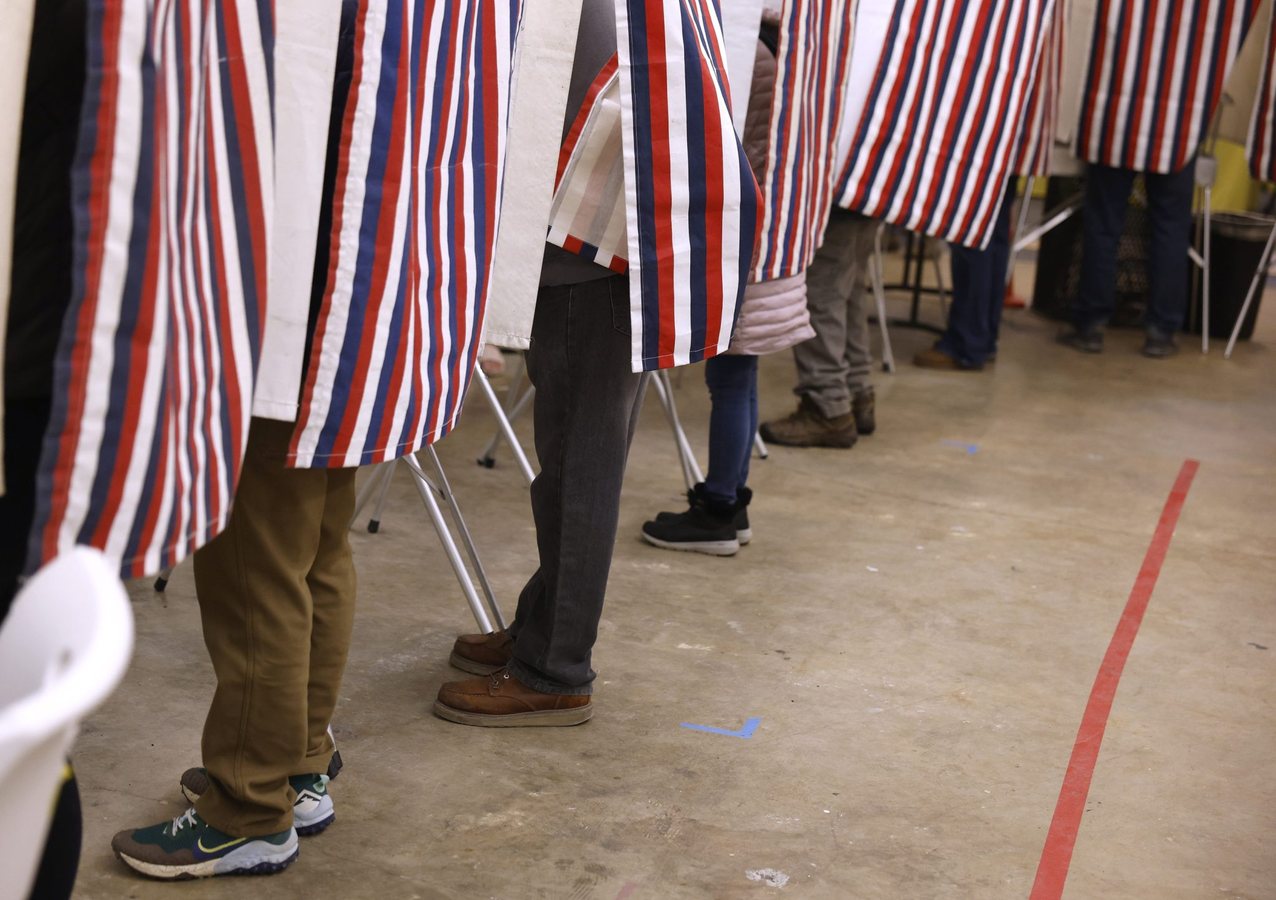
Tomorrow's US midterm elections will decide more than which party controls Congress. According to a Fortune analysis, the results will also serve as a test of public trust in three areas: the economic system, political institutions and business leaders. Whatever the outcome, the vote is likely to shape how far President Donald Trump can advance his agenda over the remaining years of his term.
If Democrats win back the House, the Senate or both, Trump would face a harder path to securing the policies, appointments and funding he needs. A Republican hold on Congress, by contrast, could provoke anger on the left. Campaign spending is at a record level, with OpenSecrets projecting around $12 billion, including almost half a billion dollars from Elon Musk alone.
The first area of concern is confidence in capitalism. The piece argues that Americans will accept a demanding economy as long as they believe they have a realistic chance of prospering, but that belief is weakening. A Federal Reserve chart cited in the analysis shows a rapidly growing share of US household wealth going to wealthy white baby boomers since 1989. Younger people are seeing what they regard as evidence that the system is rigged, pointing to record oil company profits amid rising energy prices and the high cost of housing, health care and education. Many also fear that artificial intelligence will take their jobs. Hundreds of thousands of anti-government protesters marched across Europe over the weekend, and the author notes growing talk of similar unrest in the United States.
The second area is trust in politics. The analysis draws on conversations with several hundred chief executives over the past year. In public, many praise the Republican agenda on taxes, deregulation and putting American business first. In private, the same executives reportedly voice concern about the national debt, which the piece puts at $40 trillion, government ownership stakes in large companies, the vilification of allies and immigrant talent, and a perceived pressure to demonstrate loyalty. Several described being shocked by the alleged scale of personal enrichment by the president and his family. One chief executive is quoted as saying: «Everything good gets forgotten when there's grift.» An AP-NORC poll cited in the piece found that six in ten US adults believe Trump is profiting from the presidency in unethical or illegal ways.
The third area is trust in business leaders, particularly in technology. The article cites the Edelman Trust Barometer, which finds that people trust their own employer more than any other institution but do not extend the same trust to business leaders in general, especially in tech and AI. A new survey by Shearwater Strategies, based on a demographically representative sample of 1,563 Americans, found that 58 per cent believe tech leaders prioritise making money for themselves and shareholders, against 34 per cent who chose creating exciting new products. Asked what tech leaders should prioritise, 58 per cent said protecting user safety and privacy, while 12 per cent cited making money.
The author concludes that if people do not believe tech leaders care about safety and privacy, they are more likely to vote for politicians who promise to protect those interests. The midterms, on this reading, will show whether voters are reassured or unsettled by the institutions that shape their economic and political lives.
Source: fortune.com
5