Politics 5 min read By Arthur Ellington
Employers can raise voter turnout more than campaigns, researchers find
New research linking LinkedIn employment records to voter files suggests a worker's employer strongly shapes whether they vote, and two business leaders describe simple steps companies can take.

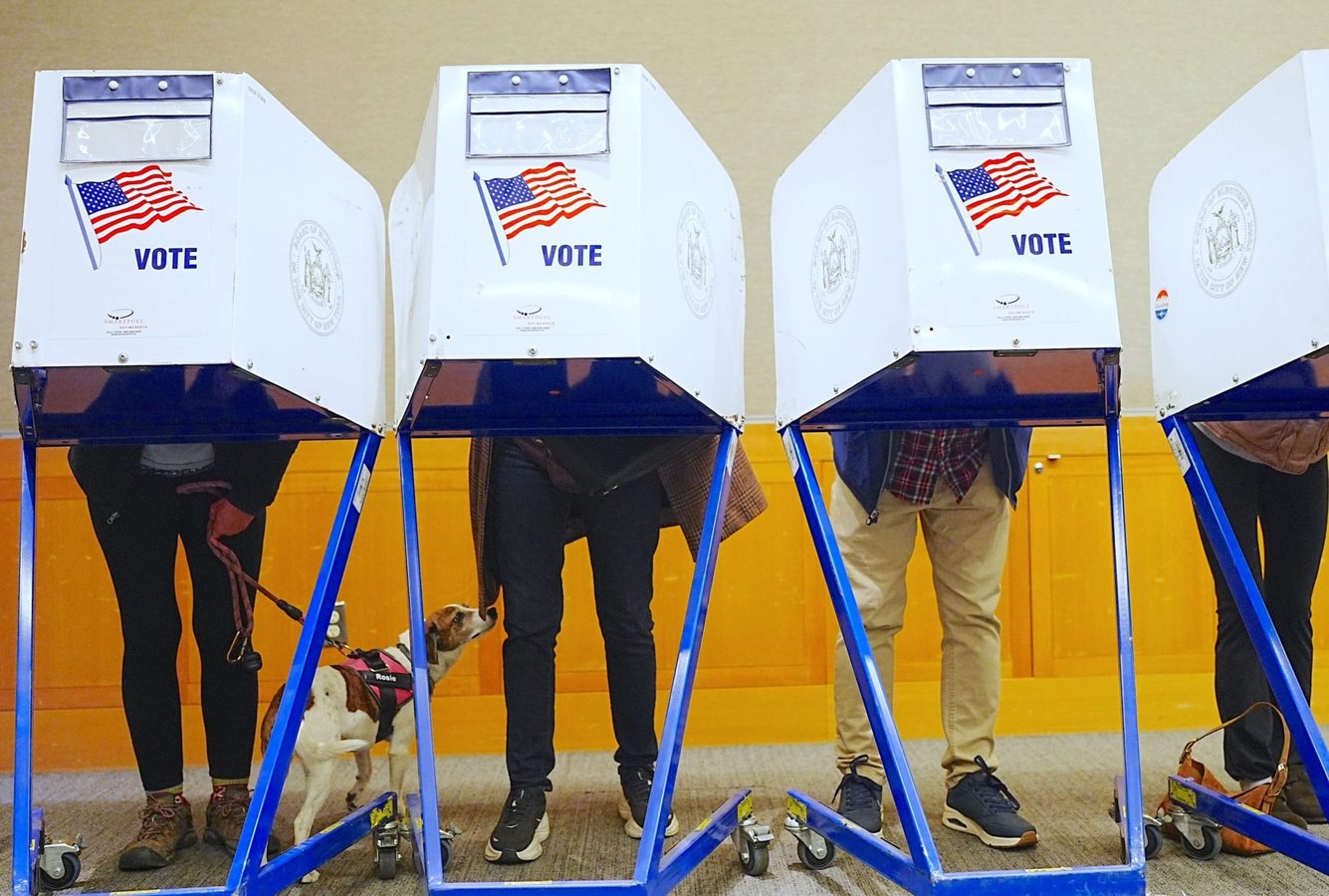
Employers may be one of the most powerful forces in whether Americans cast a ballot, according to new research and the experience of two company leaders who argue that workplaces can lift turnout with little effort. Campaigns spend hundreds of millions of dollars each election cycle on advertising, canvassing, phone banks and mailers, yet randomised trials suggest even a well-executed canvass can raise turnout by a point or two at most.
The research, which linked LinkedIn employment records to voter files, examined 30 million workers at 377,000 employers. The authors found that a person's workplace is decisive in whether they choose to vote. To account for the fact that some employers may attract people who already vote, researchers from Michigan, Harvard, Columbia and Maryland also tracked 8 million people who changed jobs. Workers who moved to a higher-scoring employer became 3.5 percentage points more likely to vote. Those who moved from an employer at the 25th percentile to one at the 75th became 5.8 percentage points more likely to vote. The effects held across political affiliations.
The authors argue that employers shape civic behaviour in two ways. They set the tone for civic engagement, reminding staff that elections are taking place and that participation matters. They also control formal levers that can make voting harder, such as scheduling and leave policy on Election Day. Most corporate leaders, the authors write, do not think much about employee voting and probably do not know where their companies rank on this distribution. They say leaders have an obligation to find out and to work to climb the rankings.
The two writers, who run their own companies, describe a practical approach. At Weyco, employees are encouraged several weeks before an election to plan how they will vote. They hear when early voting opens, receive a reminder the week before Election Day and another on the day itself. Staff who want to vote or serve as poll workers are encouraged to take paid leave, and the company arranges a ride for anyone who needs one. Weyco also brings voter registration assistance into the workplace. At Goodmans, the company has partnered with Power the Polls to recruit employees as poll workers, offering a small stipend and a paid day off.
The writers say these programmes are simple and inexpensive. Neither requires an outside consultant or a new department. Wisconsin Business Leaders for Democracy publishes a toolkit with a communications timeline and templates that any company can adapt, and the authors say they have worked with other business leaders on plans through the Leadership Now Project. For most employers, the cost is a few emails and some scheduling flexibility. The core steps are to give people time to vote, remind them when to do so, and help them connect with local election officials to find out how.
The authors also urge companies to encourage staff to work the polls. Nearly half of local election jurisdictions had difficulty recruiting enough workers for the 2024 general election, according to the U.S. Election Assistance Commission. The authors note that Milwaukee, Kenosha and Maricopa County are short of workers this autumn, along with jurisdictions in Ohio, North Carolina, Nevada and elsewhere. Shortages of poll workers, they argue, lead to longer lines and more friction for voters.
The piece acknowledges a long-running debate in corporate America over whether and when chief executives should speak on political matters. The authors say that helping employees take part in democracy does not require that. An employer does not need to ask staff about their political preferences or about particular candidates, and it does not require leaders to take a political position. The authors also say the effects are not limited to one election. The research suggests voting is a habit-forming activity, with employees continuing to vote after they leave a company, and that family members of workers at higher-scoring employers also vote more. The impact of employers is largest in primaries, where additional turnout makes the biggest difference.
The authors frame the effort as both civic and commercial. Higher participation, they argue, builds trust in democracy, which in turn supports the stability that lets businesses plan, invest and hire. Their conclusion is that employers already shape whether people vote, and that even minimal effort can be used to good effect.
9