Politics 4 min read By Alice Ashford
Millionaires make up at least half of major US Senate candidates
A New York Times review of financial disclosures finds that at least half of the leading candidates for the US Senate in the 2026 midterms have a household net worth of at least $1 million, with some far wealthier still.
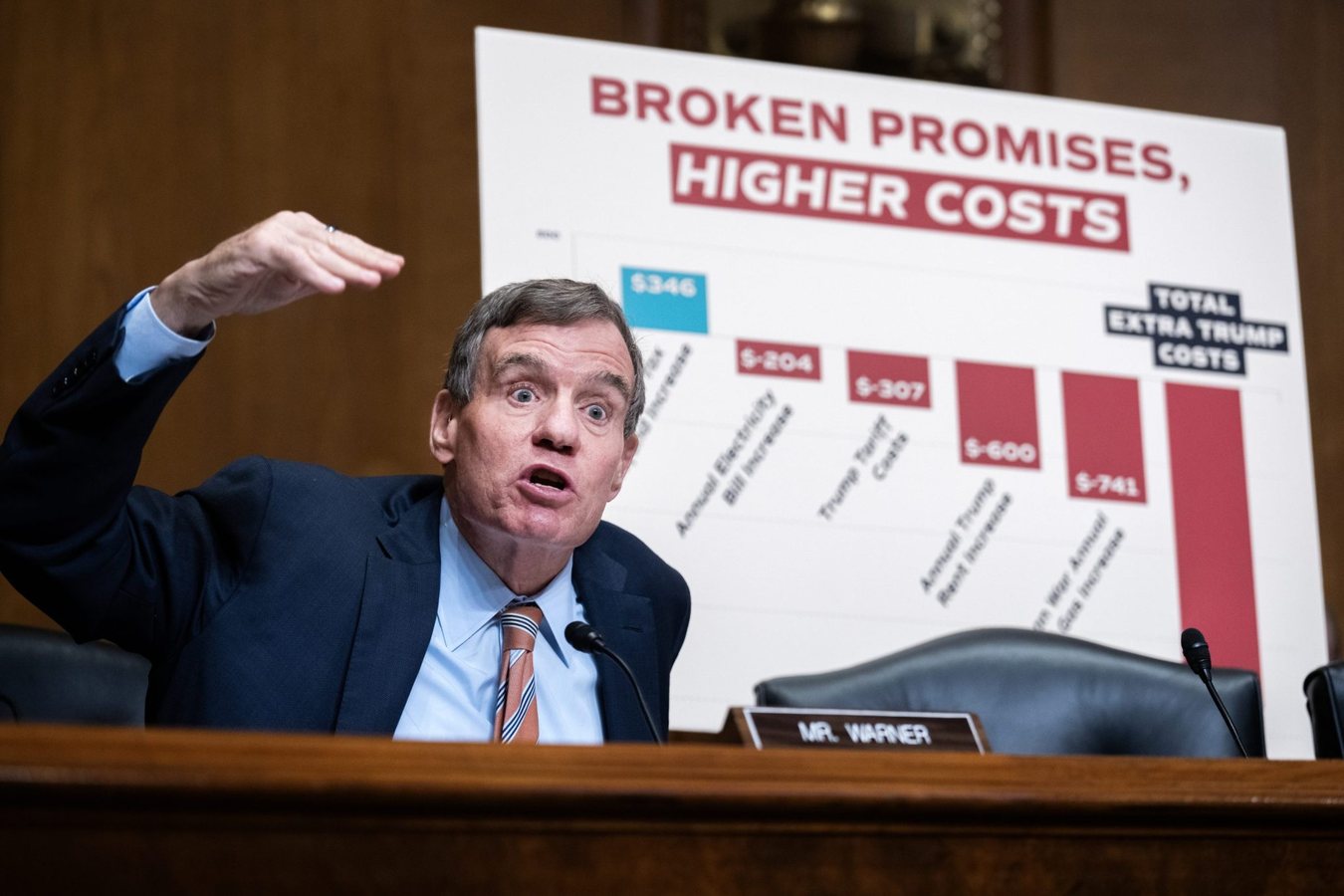
At least half of the major candidates seeking a seat in the US Senate in the 2026 midterms have a household net worth of at least $1 million, according to a New York Times review of financial disclosure forms. At least seven candidates have net worths above $10 million, and two senators seeking re-election, Mark Warner, a Democrat from Virginia, and Pete Ricketts, a Republican from Nebraska, are each estimated to be worth about $200 million.
The findings come as billionaires such as Elon Musk, Michael Bloomberg and George Soros pour large sums into the campaign, which is shaping up to be the most expensive midterm cycle in American history. For wealthy candidates, the cost of running for office is less of a financial hurdle than it is for most voters, many of whom are struggling with the rising cost of groceries, petrol and other necessities, and find home ownership increasingly out of reach.
The gap is stark. The median net worth of an American household was $215,900 in 2025, according to the Federal Reserve, so a candidate with a $1 million household net worth is worth more than four times the typical household. A US senator earns an annual salary of $174,000, while the median net worth of the current class of senators is about $4 million.
Warner built much of his fortune as the founder of Columbia Capital, a venture capital firm focused on the cellular communications market, and as a co-founder of FleetCall, the telecommunications company that later became Nextel. Nextel was acquired by Sprint in 2005 for $35 billion. A 1996 Washington Post profile described how Warner used political connections to set himself up in business and took advantage of what it called perhaps the biggest government giveaway in modern times, the billions of dollars in cellular telephone licences handed out during the 1980s. Warner won election as governor of Virginia in 2002 and became a senator in 2009.
Ricketts, who was Nebraska's governor from 2015 before joining the Senate in 2023, comes from a wealthy business family. He is the son of Joe Ricketts, founder of the brokerage firm Ameritrade, now part of Charles Schwab. Forbes estimates the family's total net worth at $8.7 billion. Ricketts' independent challenger, Dan Osborn, has a markedly different financial profile. Osborn reported earning just over $108,000 last year as a mechanic at a heating and air conditioning company.
Wealth does not guarantee victory at the ballot box, however. A Brookings Institution analysis covering four election cycles from 2018 to 2024 identified 183 candidates for president or Congress who contributed more than $1 million of their own money to their campaigns. Only 33 of them, or 18 per cent, won their races, and seven of those winners were incumbents. The Brookings authors concluded that most rich people who spend personal money on campaigns lose, some of them heavily.
The Fortune analysis points to recent examples. David Trone, billionaire co-founder of the wine and spirits retailer Total Wine & More, spent nearly $63 million of his own fortune on his 2024 Democratic Senate primary campaign in Maryland, and lost to Angela Alsobrooks by more than 10 percentage points. Michael Bloomberg, the former New York City mayor, spent more than $1 billion on his 2020 presidential campaign before dropping out after poor results.
Source: fortune.com
2