Politics 5 min read By Arthur Ellington
Trump Predicts Cuba and US Will Reach a Deal
The US president has signalled that Washington and Havana are moving toward an agreement, in remarks that suggest a possible thaw in relations between the two countries.
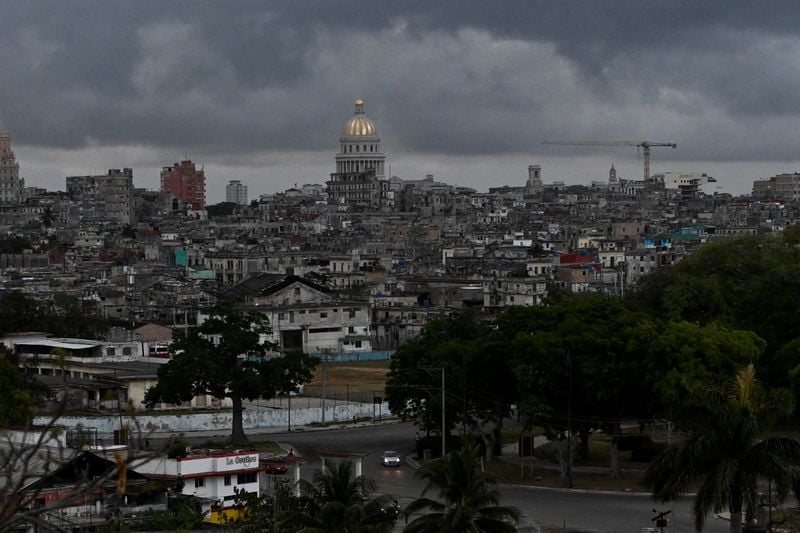
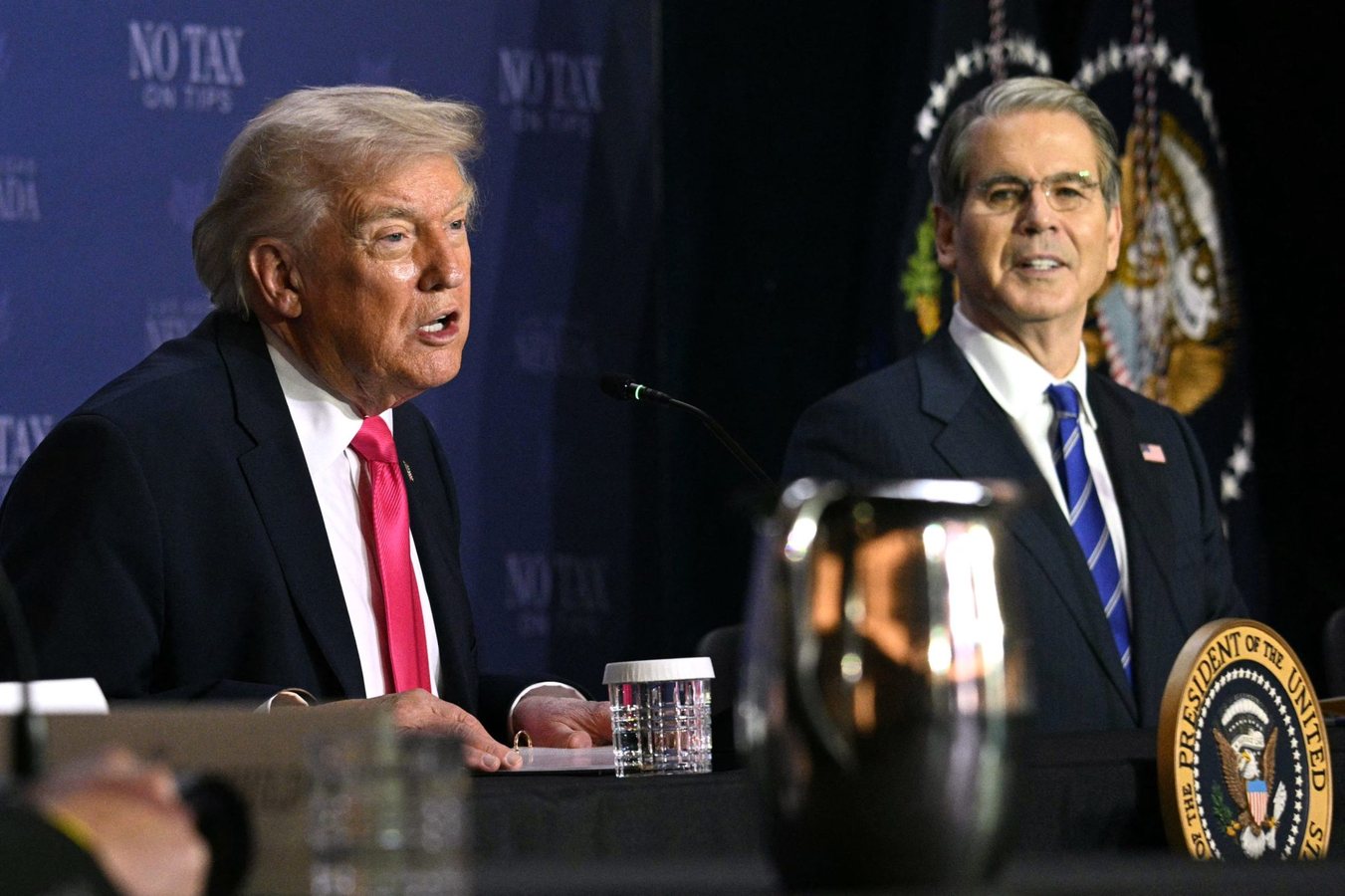
President Donald Trump has predicted that the United States and Cuba will make a deal, signalling that Washington and Havana could be moving toward an agreement after decades of hostility between the two neighbours.
The remark points to a possible shift in US policy toward the Caribbean island, which has been subject to a comprehensive American economic embargo for more than sixty years. Any deal would mark a significant change in the relationship between the two countries, which have maintained only limited diplomatic contact since the Cold War.
Cuba has long been a fixture of American foreign policy debate. The embargo, first imposed in 1962 and codified in subsequent legislation, restricts most trade and financial transactions between US companies and Cuban entities. Successive administrations have adjusted the scope of those restrictions, but the underlying legal framework has remained in place, and only Congress can lift it permanently.
The Obama administration moved to restore diplomatic relations in 2015, reopening embassies in Washington and Havana and easing some travel and commercial restrictions. Those steps were largely reversed under the first Trump administration, which tightened sanctions and reduced the US diplomatic presence on the island. The Biden administration made only limited adjustments, leaving the core architecture of the embargo intact.
A deal with Cuba would carry economic and political implications beyond the bilateral relationship. American agricultural exporters, travel companies and telecommunications firms have long argued that the embargo limits their access to a market of roughly eleven million people. Cuban officials, for their part, have consistently linked any normalisation of trade to the lifting of restrictions and to respect for the island's sovereignty.
Regional governments in Latin America and the Caribbean have repeatedly called for an end to the embargo, and the United Nations General Assembly has voted overwhelmingly each year to condemn it. Within the United States, Cuban-American communities in Florida remain a politically influential constituency, and their divisions over engagement with Havana have shaped presidential calculations for decades.
The president's prediction comes amid a broader period of active American diplomacy. His administration has pursued trade negotiations with several partners and has sought to reorder relationships with both allies and adversaries. A Cuba agreement would fit that pattern of high-level deals, though the practical path to one remains unclear given the congressional role in sanctions law.
It is not yet known what terms the two sides might be discussing, what timeline the president envisages, or whether any formal negotiations are under way. No joint statement or formal announcement has been issued, and the Cuban government has not publicly confirmed that talks are taking place.
Observers of US-Cuba relations note that previous openings have followed long periods of quiet contact before any public breakthrough. The restoration of diplomatic ties in 2015, for example, came after more than a year of secret negotiations mediated in part by Canada and the Vatican. Whether the current moment reflects a similar process, or simply a presidential expression of intent, cannot be determined from the available information.
For British and European businesses, the prospect of a US-Cuba deal is watched with interest. European companies have operated in Cuba under the protection of EU blocking regulations that shield them from the extraterritorial reach of American sanctions. A change in US policy could alter the commercial landscape, potentially opening opportunities for American firms while reshaping the competitive position of existing European investors in tourism, energy and infrastructure.
The immediate focus will be on whether the president's words are followed by concrete steps. Any easing of sanctions would require either executive action within existing legal authority or legislation in Congress, where the embargo enjoys entrenched support from a significant bloc of lawmakers. Until then, the prediction stands as a statement of intent rather than a settled policy.
6