Economy 3 min read By Bethany Hadley
United Airlines CEO Scott Kirby backs wealth tax despite his $32 million pay
United Airlines chief executive Scott Kirby says he supports a national wealth tax and steep inheritance taxes, arguing that wealth inequality threatens society and that he would pay such levies himself.
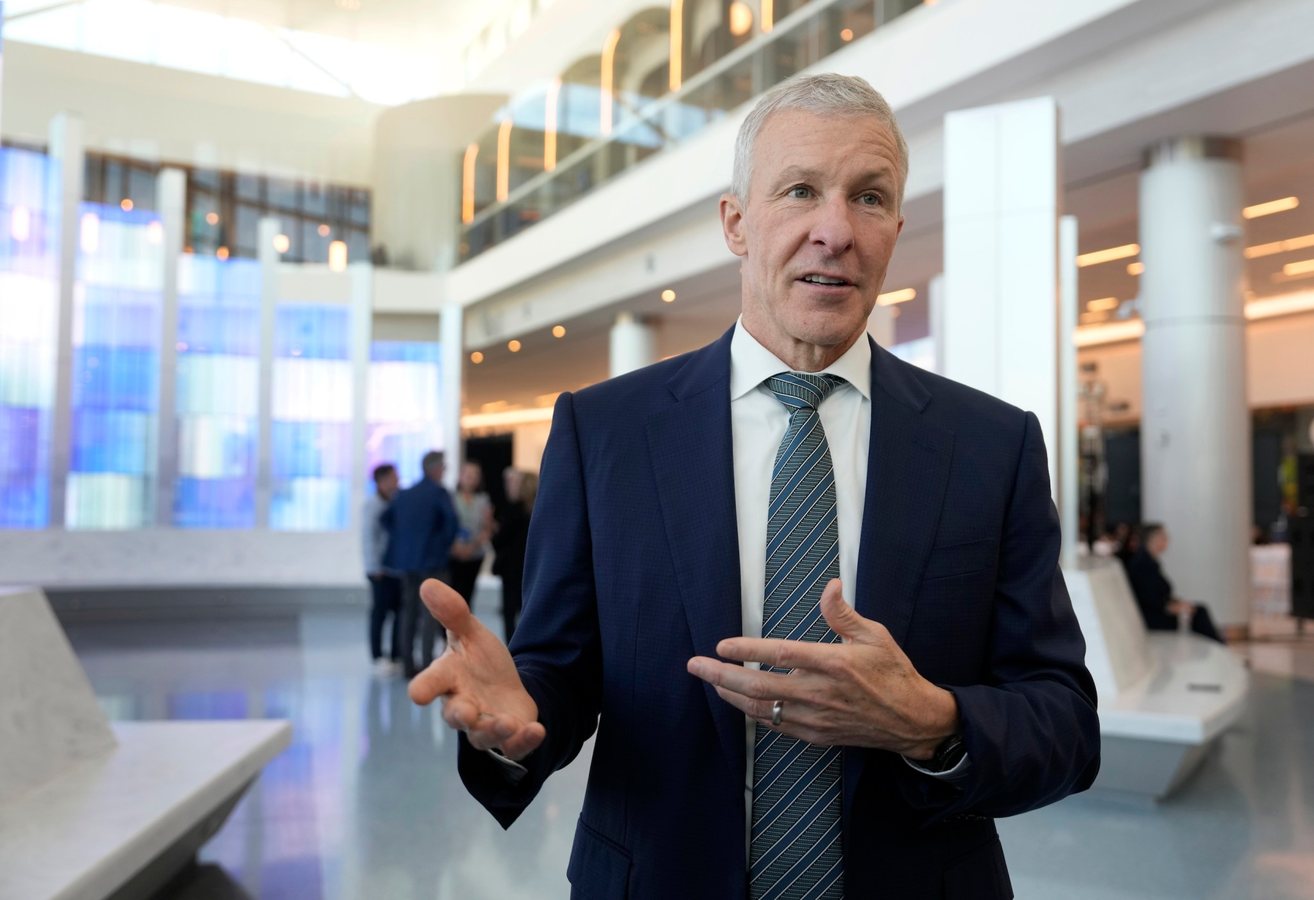
United Airlines chief executive Scott Kirby has said he supports a national wealth tax and steep inheritance taxes, and that he would be willing to pay them himself. The remarks come from a senior corporate leader whose own compensation was about $32.3 million last year, according to the airline's proxy statement.
Kirby first made the comments in a mid-October interview with the New York Times, in which he described wealth inequality as a danger to society. He doubled down on the position days later in an appearance on CNBC, framing the proposal as a matter of fairness rather than politics. Kirby said his views are personal and that he has no political or policy ambitions. United did not respond to questions from Fox Business about his pay.
The comments land in a debate over how the United States taxes wealth. The federal system levies income tax rather than taxing unrealised investment gains, so appreciated assets that are never sold go untaxed. The top federal rate for 2025 was 37 per cent on single filers with taxable income above $626,350, according to the Internal Revenue Service. Proposals for an annual tax on net worth would represent a significant departure from that structure.
Critics of such plans argue they discourage investment and entrepreneurship. Mariana Trujillo of the Reason Foundation opposes annual wealth taxes and says an inheritance tax is a different proposal from an annual levy on holdings. She points out that several European countries, including France, Sweden and Germany, have abandoned wealth taxes, while Norway, Spain and Switzerland still levy net wealth taxes, according to the Tax Foundation.
The debate has recently been tested at ballot level in California. Proposition 40, a so-called billionaire tax proposing a one-time 5 per cent levy on net worth above $1 billion, was rejected at the 3 November election. About 52.8 per cent of voters opposed it, and the Associated Press called the race on 9 November. Opponents spent roughly $378 million against the measure, while supporters raised $33.5 million. Six Nobel-winning economists had backed it.
Kirby's company reported $59.1 billion in revenue last year. He said feedback he has received from the public, including emails, has been split roughly evenly, suggesting that his position has not settled into a clear consensus among those who have responded to him.
Source: fortune.com
5