
Politics 5 min read By Arthur Ellington
Trump and Xi to meet in Shenzhen as trade truce deadline looms
US President Donald Trump and Chinese President Xi Jinping meet at the APEC forum in Shenzhen, with a trade truce expiring in January, new US chip export controls and the Iran conflict on the agenda.
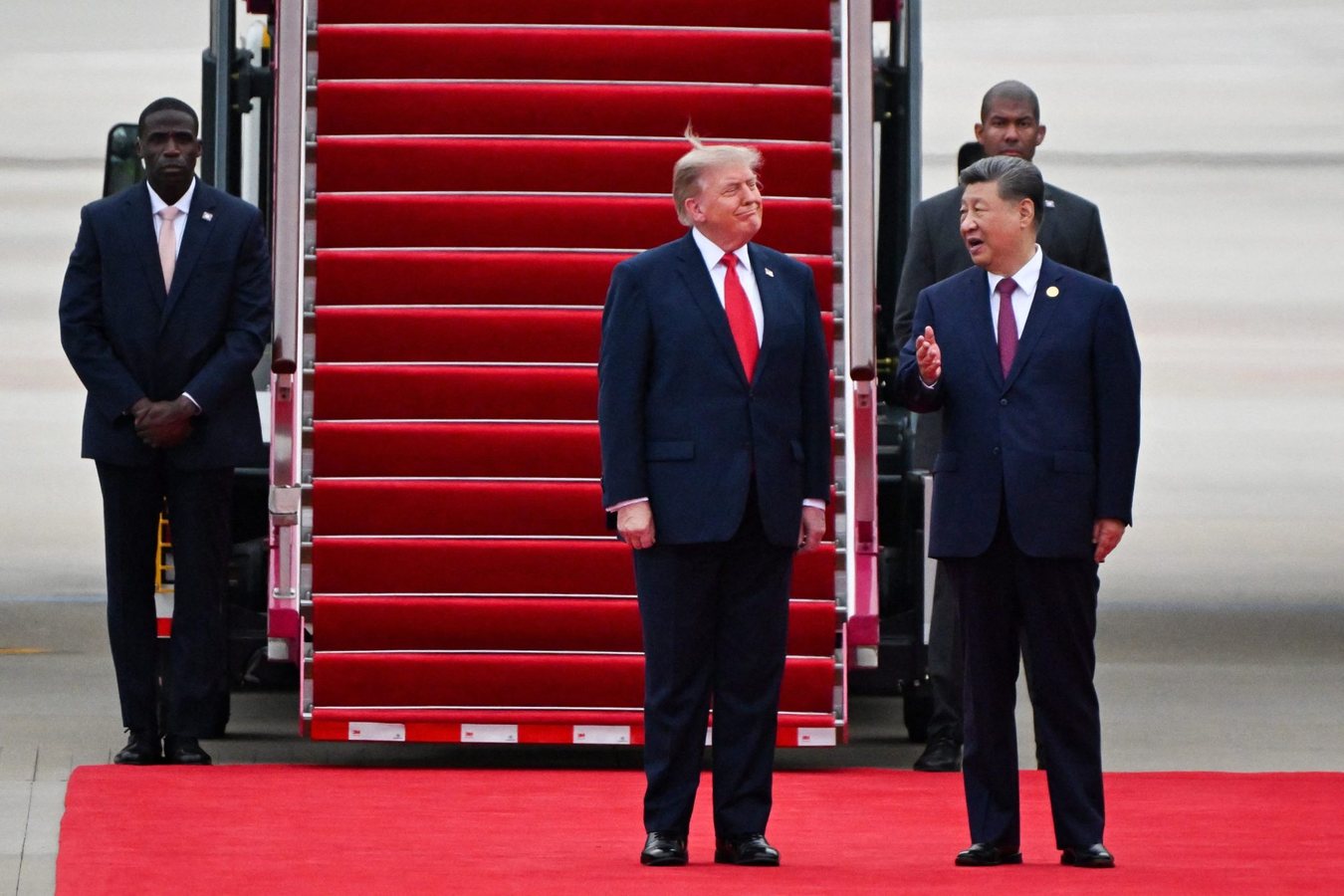
US President Donald Trump is meeting Chinese President Xi Jinping in Shenzhen this week, with a trade truce that expires in January and a fresh round of American export controls on advanced semiconductors casting a shadow over the talks. Trump is also scheduled to hold three-way discussions with Xi and Russian President Vladimir Putin during the Asia-Pacific Economic Cooperation (APEC) forum, where the two sides could test whether progress on trade and tensions in the Middle East is possible.
Trump's Asian trip began in Manila, where he attended meetings on the sidelines of the annual summit of the Association of Southeast Asian Nations before travelling to Shenzhen, where he was welcomed by Xi. Chinese Foreign Ministry spokesperson Mao Ning said on Monday that the three leaders would exchange views in depth on safeguarding world peace and promoting strategic stability in relations between major powers, describing the discussions as being of groundbreaking significance.
The central issue is the trade truce agreed at last year's APEC summit in South Korea. Under that arrangement, Trump lowered tariffs in exchange for Beijing cracking down on fentanyl precursors, resuming soybean purchases and pausing rare-earth export controls, and both sides agreed to begin regular talks on trade and investment. In September, Treasury Secretary Scott Bessent said the two countries had agreed to extend the truce until January 10. Scott Kennedy, senior adviser on Chinese business and economics at the Center for Strategic and International Studies, said the key question is what conditions would have to be met to extend the ceasefire beyond January, and suggested negotiators could keep working right up to the deadline rather than settling matters in Shenzhen. Trump and Xi are also expected to meet next month at the G20 summit in Florida.
The dispute has moved on from tariffs to export controls. The United States has blocked exports of advanced AI chips and chipmaking equipment to China since 2022 and has tightened those restrictions since. China responded in April 2025 by imposing licensing requirements on exports of several rare-earth materials, which are essential to semiconductor and car manufacturing, and the resulting supply disruptions threatened factory production in the United States and Europe. Both sides agreed under the truce to suspend some of these measures.
That fragile arrangement was tested on Monday, days before the Shenzhen meeting, when the US Commerce Department expanded its rules on advanced AI chips. Companies seeking to export such chips to Singapore, Malaysia, Thailand, Indonesia and Brazil now need licences, as do data centre operators that want to offer large amounts of computing power to Chinese clients. The department said the rule was designed to ensure existing restrictions on access to sensitive American technology cannot be circumvented through remote computing arrangements in third countries. Beijing criticised the measures on Tuesday, with a commerce ministry spokesperson expressing strong dissatisfaction and warning that China would take countermeasures if the United States persisted.
Iran is also likely to feature in the discussions. Kennedy said Washington clearly wants to exit the conflict with Iran and could benefit from Russian and Chinese help in doing so, since both countries have close ties to Tehran. He argued they could help secure an Iranian commitment not to charge vessels tolls or fees to transit the Strait of Hormuz, and could help curb oil prices, which have risen amid Iranian attacks on commercial ships in the waterway and added to cost-of-living pressures in the United States and beyond.
Those pressures weigh on domestic politics as well. Most voters in the November 3 midterm elections said inflation was causing hardship for their families, identifying the affordability of petrol, food and utilities as major concerns, according to an NBC exit poll. Victor Shih, a China expert at the School of Global Policy and Strategy at UC San Diego, said that given the message voters sent in the midterms, the Middle East may be the main topic of discussion, since both China and Russia have considerable leverage there. He noted that Chinese vessels, along with ships from India, Qatar and Iraq, are exempt from the restrictions Iran has imposed on shipping through the Strait of Hormuz, as Al Jazeera reported this month.
Source: fortune.com
57