
Politics 5 min read By Alice Ashford
Senate passes bill barring prediction markets from death and war contracts
The Senate has passed a bill that would ban prediction market platforms from offering contracts tied to terrorism, assassination, death, war or U.S. military operations, as Democrats press the industry over insider trading and youth gambling.
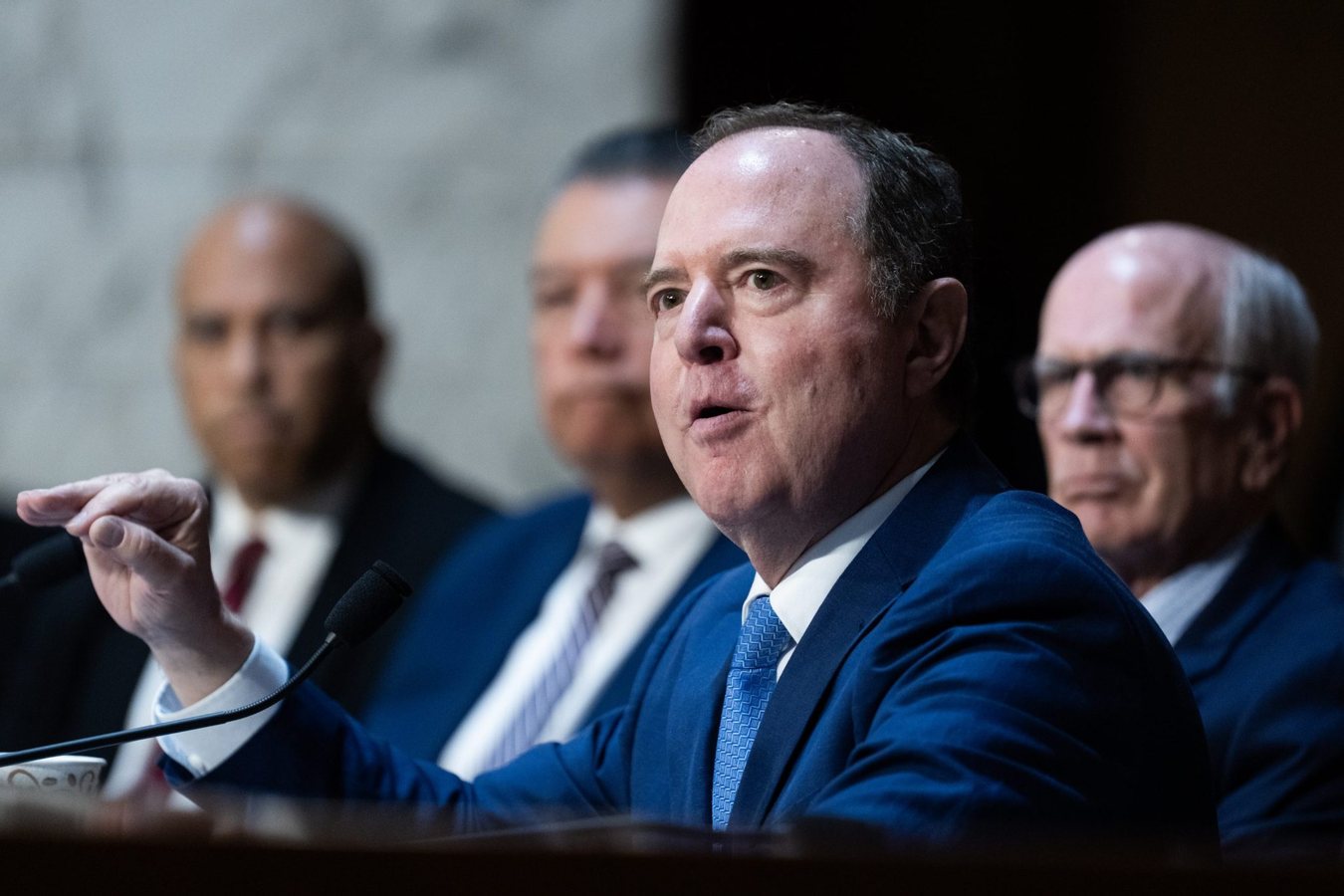
The Senate has passed legislation that would bar prediction market platforms from offering contracts tied to terrorism, assassination, an individual's death, war or U.S. military operations. The bill, the first measure aimed at the fast-growing industry to clear either chamber of Congress, cleared the upper house by voice vote on Thursday evening and must still pass the House before it can reach the president's desk.
The measure, formally called the DEATH BETS Act, was introduced by Democratic Senator Adam Schiff of California and Republican Senator John Curtis of Utah. It would prevent exchanges and clearinghouses overseen by the Commodity Futures Trading Commission from offering or processing such contracts. It would also prohibit contracts whose outcomes are reasonably expected to depend mainly on someone's death, even where the wording does not mention death directly.
Schiff defended the bill on the Senate floor, arguing that such contracts are offered with no regard for national security and, in many cases, for basic morality. He described the sector as operating in a wild West that is badly in need of regulation and guardrails.
The concern centres on platforms such as Kalshi and Polymarket, which have expanded rapidly over the past two years and now list contracts on a wide range of events, including conflict and violence. Critics say such markets invite wagers on human suffering. They have also raised worries about insider trading, because users can trade without publicly revealing their identities, which makes potential conflicts of interest harder to detect.
Several episodes have sharpened political attention. One Polymarket trader reportedly made more than $400,000 betting on Nicolás Maduro's removal from power before U.S. forces captured the Venezuelan leader in January. Kalshi drew scrutiny over a market asking whether Iranian Supreme Leader Ali Khamenei would leave office. After Khamenei was killed, the company declined to pay traders who had bet that he would leave, citing a rule that excluded death as a qualifying outcome. Schiff also pointed to a Polymarket bet on whether NASA's Artemis II mission would explode, which he said raised concerns about wagers on astronauts' lives, and to a bet on whether Russian forces would capture the Ukrainian city of Myrnohrad.
The companies have previously rejected these criticisms. Kalshi chief executive Tarek Mansour wrote on X in February that the platform does not list markets directly tied to death. Polymarket chief executive Shayne Coplan, speaking at a conference in March, described conflict-related markets as a complicated question but defended their value as a source of useful information. Neither company immediately responded to a request for comment. Some rivals, such as Novig, avoid these contracts altogether, limiting their offerings to sports markets and restricting trading to users aged 21 and older.
The bill's passage comes as political scrutiny intensifies. Democrats won control of both chambers of Congress in this month's midterm elections, and several Democratic lawmakers have criticised the platforms in recent days. Senator Elizabeth Warren of Massachusetts pointed to Kalshi's decision to pause trading on contracts tied to President Donald Trump's public remarks, which have raised insider-trading concerns, and urged the CFTC to do more to stop insiders profiting. Representative Ro Khanna of California called for an investigation and a ban on sports prediction markets, criticising Kalshi for allowing 18-year-olds to bet on sports and saying users under 21 had wagered $3.9 billion on the platform. He described the activity as gambling.
The scrutiny is not confined to one party. Curtis, a Republican, joined Warren last month in questioning Kalshi and Polymarket about potentially improper election-related trading, and he has backed separate legislation to ban sports and casino-style prediction contracts over concerns about young people's exposure to gambling. Senator Ted Cruz of Texas has also announced plans to introduce legislation that would bar prediction market platforms from offering sports contracts without state or tribal approval, according to Bloomberg Law.
Source: fortune.com
28