Politics 4 min read By Callum Montgomery
Russian State Agency RIA Novosti Publishes Then Deletes Threat Against Lithuania
RIA Novosti, a state media outlet close to the Kremlin, briefly published an article suggesting Russia could launch a new «special military operation» against Lithuania before removing it, in an apparent propaganda signal that has alarmed Baltic capitals.
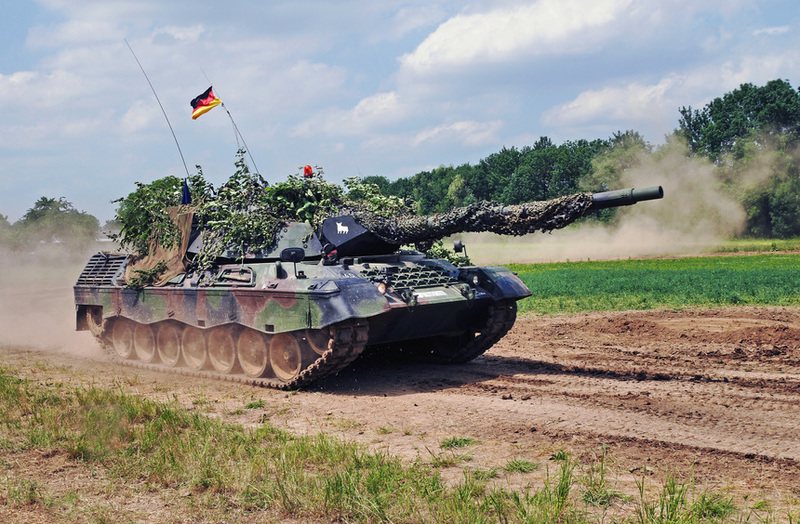
RIA Novosti, the Russian state news agency widely regarded as a mouthpiece for the Kremlin, briefly published an article warning that Russia could launch a new «special military operation» — Moscow's euphemism for its war in Ukraine — this time directed at Lithuania. The piece was removed shortly after publication, but not before it had been indexed and circulated online, prompting concern across the Baltic region and among NATO allies.
The article's central claim was that Lithuania's recent restrictions on the transit of goods to the Russian exclave of Kaliningrad amounted to a blockade, and that Moscow would be justified in responding with military force. The text reportedly framed the situation as a direct provocation by a NATO member state and suggested that Russia's patience was exhausted. The removal of the article within hours of its appearance has been interpreted by analysts as a deliberate signalling exercise rather than an editorial error — a tactic consistent with the Kremlin's pattern of testing Western resolve through state media.
Lithuanian officials have not issued a formal response to the deleted article, but the incident has intensified existing anxieties in Vilnius, Riga and Tallinn about Russia's intentions. Lithuania shares a border with the Russian exclave of Kaliningrad and with Belarus, a close Moscow ally. Since Russia's full-scale invasion of Ukraine in February 2022, the three Baltic states have repeatedly warned that they could be next, citing Moscow's stated ambition to restore influence over what it calls its «near abroad».
The timing of the RIA Novosti article is significant. It appeared as Western governments continue to debate the scope of military support for Ukraine and as NATO prepares to reinforce its eastern flank. The publication of such a threat — even if retracted — serves multiple purposes for the Kremlin: it tests the reaction of NATO members, it signals to domestic audiences that Russia remains capable of opening new fronts, and it creates ambiguity that can be exploited in future negotiations.
Lithuania has been one of Ukraine's most vocal supporters, providing military and humanitarian aid and advocating for tougher sanctions on Russia. It has also been a target of Russian disinformation campaigns and cyberattacks. The deleted article is unlikely to be an isolated incident; similar threats have appeared in Russian state media before, often followed by official denials or silence. The pattern suggests a coordinated effort to keep the Baltic states on edge without triggering a formal diplomatic crisis.
NATO has not commented directly on the RIA Novosti article, but the alliance has consistently stated that any attack on a member state would be met with a collective response. The incident underscores the fragile security environment in the Baltic region, where any miscalculation could escalate rapidly. For now, the article's deletion does little to diminish its impact: the message has been sent, and it has been received.
5