Politics 4 min read By Arthur Ellington
Romania’s Plauru Fire Tests NATO Border Risk as Drone War Spreads
Residents near Plauru blame a drone explosion for a new fire opposite Izmail. The event sharpens a policy problem for NATO, although the current device has not been officially identified.
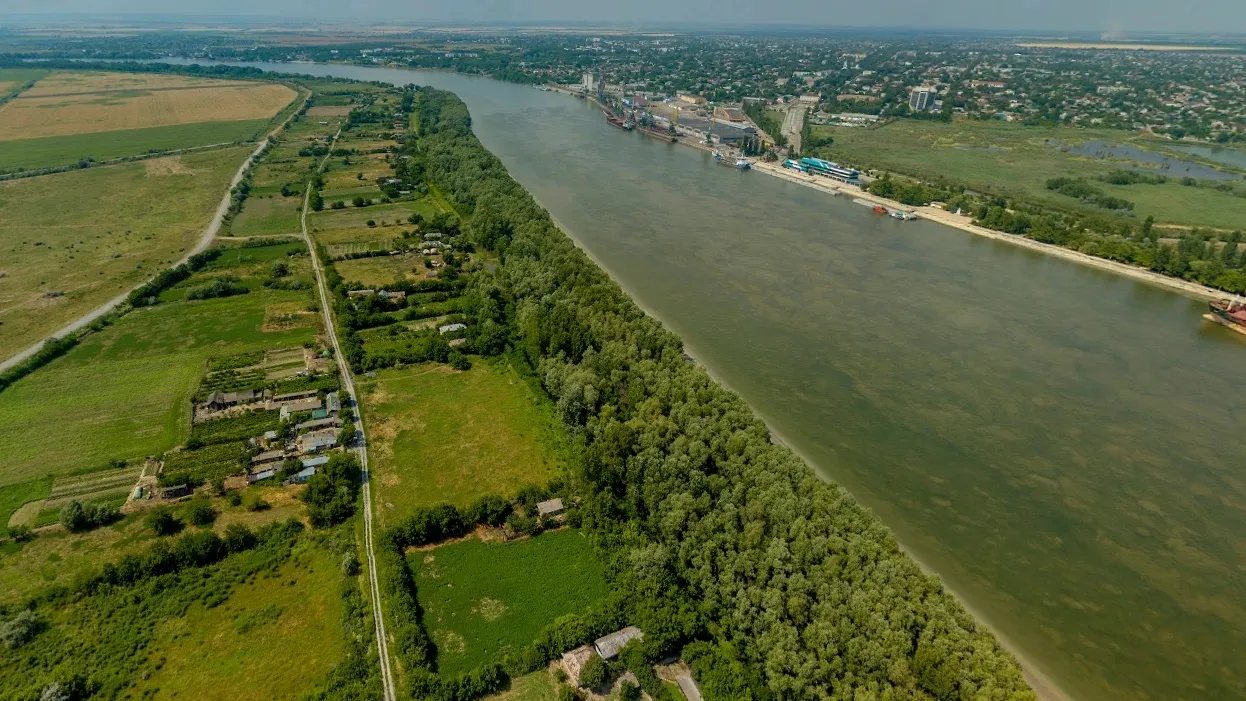
The fire near Plauru is a small incident in physical scale but a larger test of how NATO states manage the spillover of a high-volume drone war. Romania's state forestry administration said the blaze began at about 5:50 p.m. Wednesday in woodland near the village in Tulcea County. It initially affected around half a hectare. Residents reported an explosion and told forestry workers they believed a drone was the probable cause.
What is not yet known matters just as much. Romanian authorities have not publicly identified the model or origin of the object linked by witnesses to the fire. The available statements do not confirm a Russian Shahed or Geran. Nor do they demonstrate that Romania itself was deliberately targeted. For defence policy, that gap between an explosion and proven intent is critical.
Plauru sits roughly 200 metres across the Danube from the Ukrainian port of Izmail. Russia has repeatedly targeted ports and logistics infrastructure in this corridor with drones. The attacks are aimed at Ukrainian capacity, but geography gives Romania almost no buffer. An aircraft that veers off course, is damaged by air defence or breaks apart during an interception can cross the river in moments.
Wednesday offered a separate example of that constant pressure. Earlier in the day, Romanian military radar detected an aerial target about eight kilometres north of Vylkove in Ukraine, close to the border. An IAR-330 PUMA SOCAT helicopter was launched to monitor the situation, while residents in northern and eastern Tulcea County received a RO-Alert at about 1.15 p.m. The warning ended at 2.44 p.m. The Defence Ministry said there was no reported incursion into Romanian airspace in that earlier incident. No public evidence links it to the Plauru fire.
Ukraine's Izmail district also reported an enemy air attack overnight into Aug. 26. According to the local administration, air defence prevented hostile drones from reaching their intended targets during that nighttime wave. The combination of alerts shows why the lower Danube has become a continuously monitored military corridor rather than a sequence of isolated emergencies.
On the ground at Plauru, nine firefighters reached the site by boat, joining forestry staff, municipal volunteers and residents. ISU Delta later said the fire had been localised, with around 2,000 square metres of dry vegetation affected at the time of its update.
Romania has already moved beyond passive monitoring in recent cases. On Aug. 16, the Defence Ministry said a drone entered national airspace from Moldova. A Spanish F-18 on air-policing duty received permission to engage and shot it down. Earlier investigations around Plauru have also identified debris from Russian-origin Geran1/2 drones.
Those precedents create two policy pressures. First, Romania needs enough sensors and interceptors to distinguish hostile, stray and damaged objects quickly over a complex river delta. Second, NATO needs attribution standards that are fast enough for operational decisions but strict enough to avoid treating every piece of falling wreckage as a deliberate interstate strike.
The Plauru site may soon provide the evidence needed for that distinction. Components or explosive residue could establish whether a drone caused the blast and identify its family. Until then, the incident is best treated as a suspected drone-related fire on Romanian territory in the immediate vicinity of Russian attacks on Ukraine — serious enough to demand investigation, but not yet proof of a deliberate Russian attack on a NATO member.
69