Politics 4 min read By Alice Ashford
Reform deputy leader Richard Tice under investigation over Israel debate
Reform UK's deputy leader, Richard Tice, is being investigated by the Parliamentary Commissioner for Standards over a possible failure to declare an interest connected to a debate on Israel.
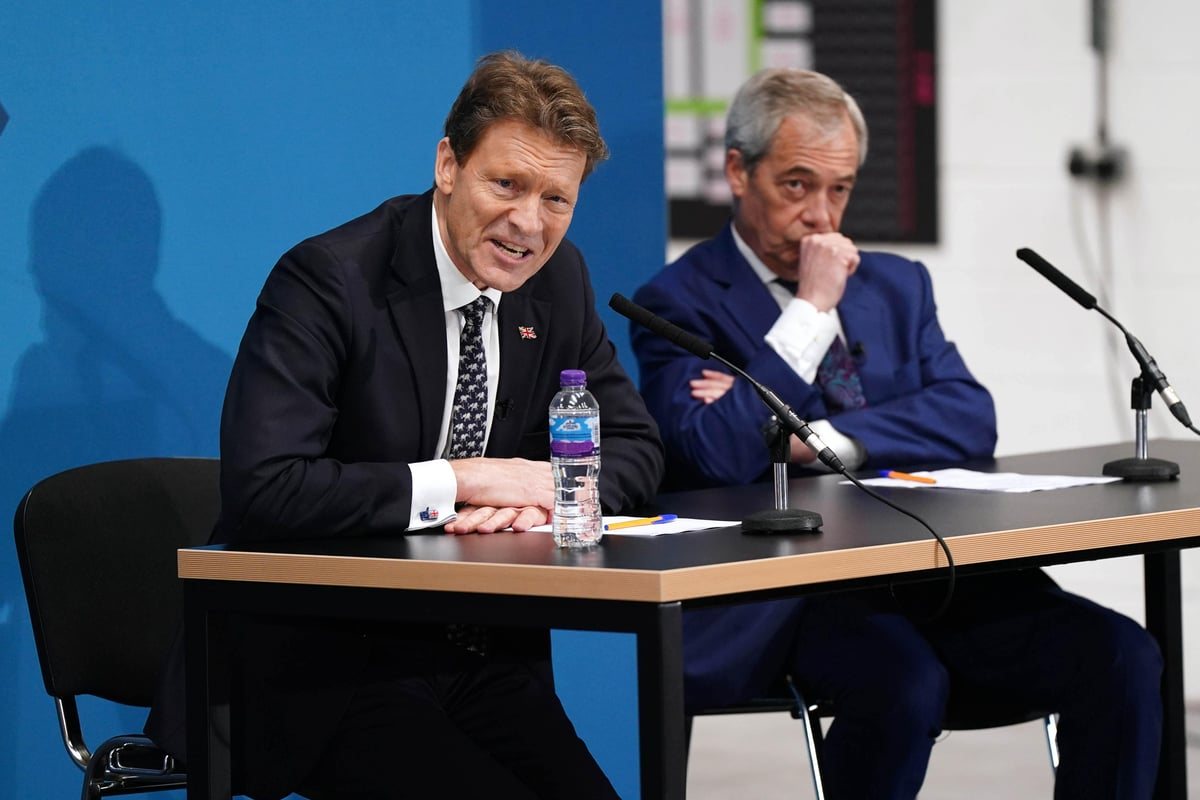
Richard Tice, the deputy leader of Reform UK, is under investigation by the Parliamentary Commissioner for Standards over allegations that he failed to declare an interest in connection with a debate on Israel.
The standards watchdog confirmed on Monday that an investigation had been opened into the Reform UK deputy leader. According to a notice on the commissioner's website, the inquiry was opened on 28 July and will be conducted by the parliamentary commissioner for standards, Daniel Greenberg.
The commissioner's office did not provide details of the allegation beyond stating that it concerns a possible failure to declare an interest. The investigation is understood to relate to a debate on Israel, although the interest at the centre of the complaint has not been identified and no findings have been made.
Members of the House of Commons are required to register financial interests in a public register and to declare any relevant interest whenever they take part in parliamentary proceedings, including debates, questions and committee sessions. The rules exist to ensure that the public can see when a member might be influenced by outside financial or other interests when speaking or voting.
The Parliamentary Commissioner for Standards is the independent officer responsible for maintaining the register of members' financial interests and for investigating alleged breaches of the code of conduct. Complaints may come from fellow members of Parliament or from members of the public. When a case is opened, the commissioner's office publishes a short notice; in this instance the notice describes the allegation as a possible failure to declare an interest.
Israel is a regular subject of parliamentary business, and members taking part in such debates must disclose any interest that could reasonably be thought to influence their contribution. The commissioner's notice gives no indication of whether the interest in question is financial, or whether it might relate to employment, gifts, hospitality or another category covered by the rules.
The investigation is at an early stage. The commissioner will examine the complaint, gather evidence and decide whether a breach of the rules has occurred. If the commissioner concludes that the code of conduct was breached, the case can be referred to the Commons Committee on Standards, which has the power to recommend sanctions, including a requirement to apologise or, in serious cases, suspension from the House. Being investigated does not mean that wrongdoing has been found; the commissioner has yet to reach any conclusion.
Mr Tice is a prominent figure within Reform UK, where he serves as deputy leader. The case will be examined under the parliamentary code of conduct, which applies to all members regardless of party affiliation.
No timescale has been set for the conclusion of the inquiry, and the commissioner has indicated only that the matter was formally opened in late July. Further updates are unlikely to be published unless the commissioner decides to refer the case to the Committee on Standards.