Politics 4 min read By Arthur Ellington
Kanishka Narayan appointed Britain’s first AI minister
Kanishka Narayan has become Britain’s first minister for artificial intelligence, telling the public they are «right to worry» about the impact of new technology.
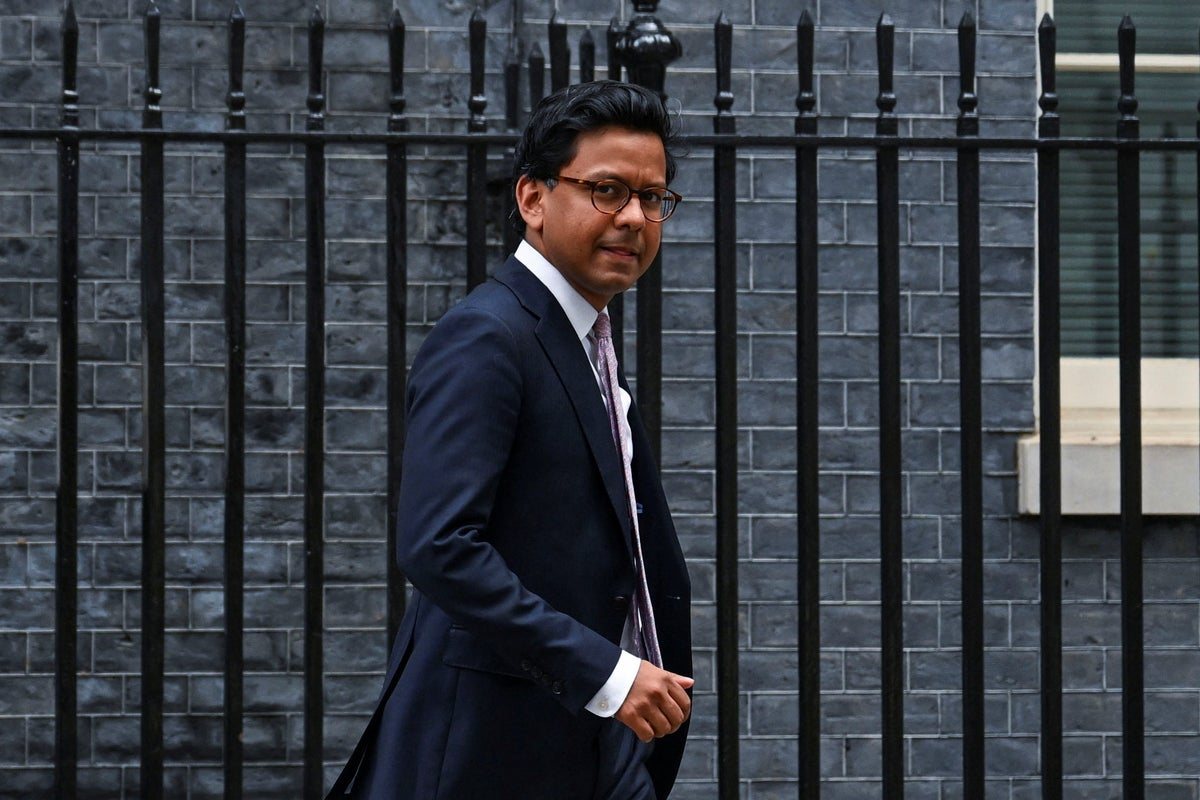
Kanishka Narayan has been appointed Britain’s first minister for artificial intelligence, taking up a new role in Prime Minister Andy Burnham’s administration with a clear acknowledgment that public concern about the technology is justified.
In his first comments since the appointment, Narayan said people were «right to worry» about new tech. The remark was an unusually direct concession from a minister entering office, reflecting a recognition that the rapid spread of AI tools has left many people uncertain about their impact on jobs, privacy and the reliability of information.
The appointment creates a dedicated ministerial post for AI for the first time in Britain. By placing a named minister at the head of the portfolio, the government has given artificial intelligence a permanent place at the top table of policy, rather than keeping it as a technical issue handled inside other departments. Narayan becomes the first person to hold the title at national ministerial level.
His warning about public concern lands in the middle of an increasingly prominent debate. Artificial intelligence has been presented as a source of major economic opportunities, with the potential to improve productivity, streamline public services and accelerate scientific research. At the same time, critics have drawn attention to the dangers it may pose to jobs, democratic processes, personal privacy and the accountability of decisions made by machines.
The unease Narayan refers to is not confined to technology experts or campaigners. It extends to ordinary users of AI-powered services, workers whose roles may be affected by automation and audiences struggling to distinguish between genuine content and material generated by machines. By acknowledging those worries, the new minister has positioned himself as someone prepared to take public sentiment seriously.
Governments in many countries are searching for ways to respond to these dangers without slowing innovation. Britain’s new ministerial appointment suggests that AI has moved firmly into the political mainstream. The new minister will have to balance competing expectations: pressing the case for technological progress while responding to the unease he has acknowledged in his opening remarks.
The decision to create the role also raises the stakes for the wider government. It implies that ministers want to be seen to be taking AI seriously, rather than leaving its development to tech companies and markets. The title itself is significant: it institutionalises AI as a portfolio that requires dedicated attention and gives a single minister responsibility for coordinating the government’s approach.
Narayan’s first message is a signal that he intends to engage with sceptics as well as advocates. Saying people are «right to worry» is not merely an attempt to reassure them; it is a concession that the questions surrounding AI are real and unresolved. How those questions are answered will define his time in office and shape the government’s broader handling of the technology.