Economy 4 min read By Callum Montgomery
Raw Sugar Prices Slip as Oil Market Weakness Weighs on Commodities
Raw sugar futures edged lower as falling oil prices reduced the incentive for Brazilian mills to divert cane into ethanol production, shifting the market's attention back to ample global supplies.
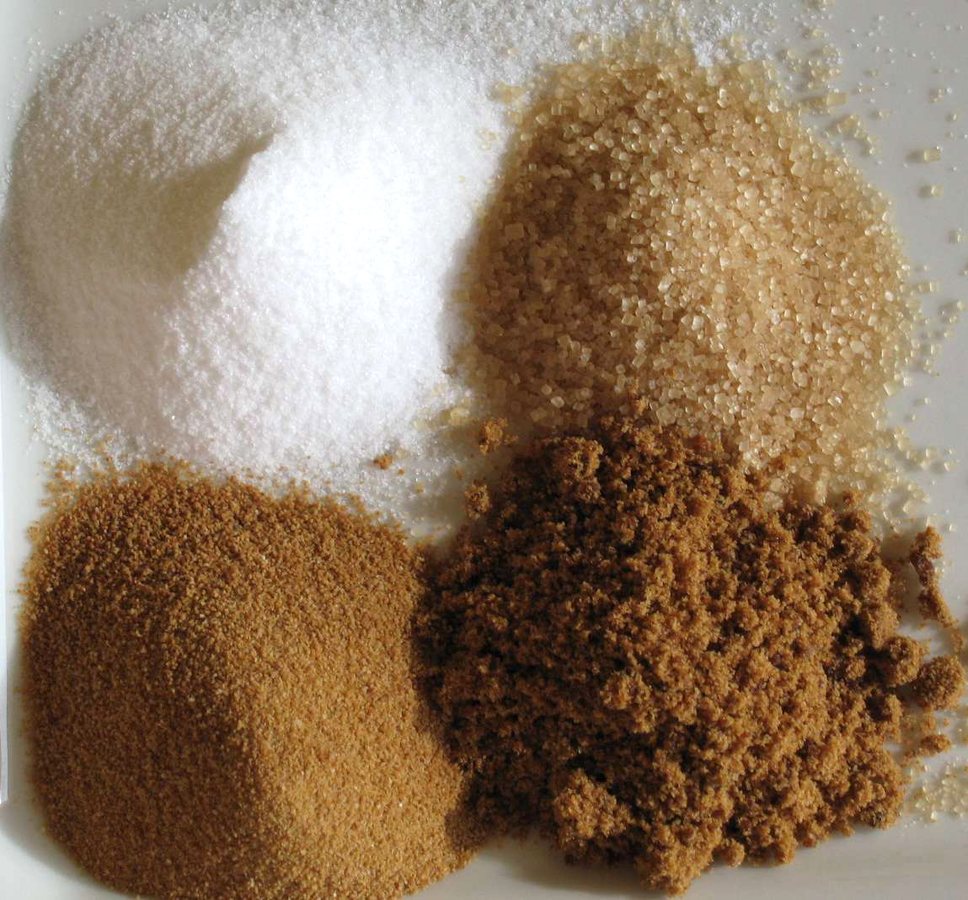
Raw sugar futures edged lower as weakness in oil prices weighed on the market, reducing the incentive for mills in Brazil to divert sugarcane away from sugar production and into ethanol. The move highlights how closely the sweetener's price is tied to energy markets, even as broader fundamentals point to a well-supplied global market.
Oil prices have come under pressure in recent sessions, eroding the premium that ethanol commands over sugar in Brazil, the world's largest producer and exporter. When crude is strong, Brazilian mills typically allocate more cane to ethanol, tightening the supply of sugar available for export and supporting prices. When oil falls, that calculus reverses, and mills are more likely to maximise sugar output, adding to global availability.
The shift in Brazil's production mix comes against a backdrop of comfortable global supplies. Harvests in key producing regions, including Thailand and India, have been broadly favourable, and the market has been digesting expectations of a surplus in the current season. That combination of ample supply and a weaker ethanol incentive has kept a lid on any rally in raw sugar prices.
Currency movements have also played a role. A weaker Brazilian real tends to encourage selling by local producers, as dollar-denominated sugar fetches more in local terms. When the real depreciates, mills often accelerate hedging and export sales, adding further pressure to futures. Traders are monitoring the exchange rate alongside oil and ethanol prices for signals on the next move in the sugar market.
On the demand side, importers have been relatively cautious, buying only to cover immediate needs rather than building large stockpiles. This hand-to-mouth approach has limited the upside for prices, even when short-term supply concerns emerge. Consumer markets, including soft drink manufacturers and food processors, remain sensitive to price swings, but have shown little urgency to lock in forward supplies at current levels.
Speculative positioning has also contributed to the softer tone. Investment funds have reduced bullish bets on raw sugar in recent weeks, reflecting the less favourable ethanol economics and the prospect of a global surplus. When speculative length is trimmed, prices often lose a key source of support, making the market more vulnerable to bearish headlines.
Looking ahead, the direction of raw sugar prices is likely to remain heavily influenced by the trajectory of oil. A sustained rebound in crude would improve the competitiveness of ethanol, potentially prompting Brazilian mills to shift more cane toward biofuel and away from sugar. That, in turn, could tighten export supplies and provide a floor for prices. Conversely, further weakness in oil would reinforce expectations of ample sugar availability and could keep prices under pressure.
Weather conditions in Brazil's Centre-South region will also be critical. Any disruption to the harvest, whether from excessive rain or drought, could alter the production mix and affect yields. For now, however, the market appears comfortable with the balance between supply and demand, and participants are watching energy markets closely for the next catalyst.