
Politics 5 min read By Bethany Hadley
Craig Newmark hopes 2026 midterms mark end of big money influence
Craigslist founder Craig Newmark, who has given away more than $500 million, says he hopes the 2026 midterms signal the beginning of the end for the outsized influence of big money in American politics.
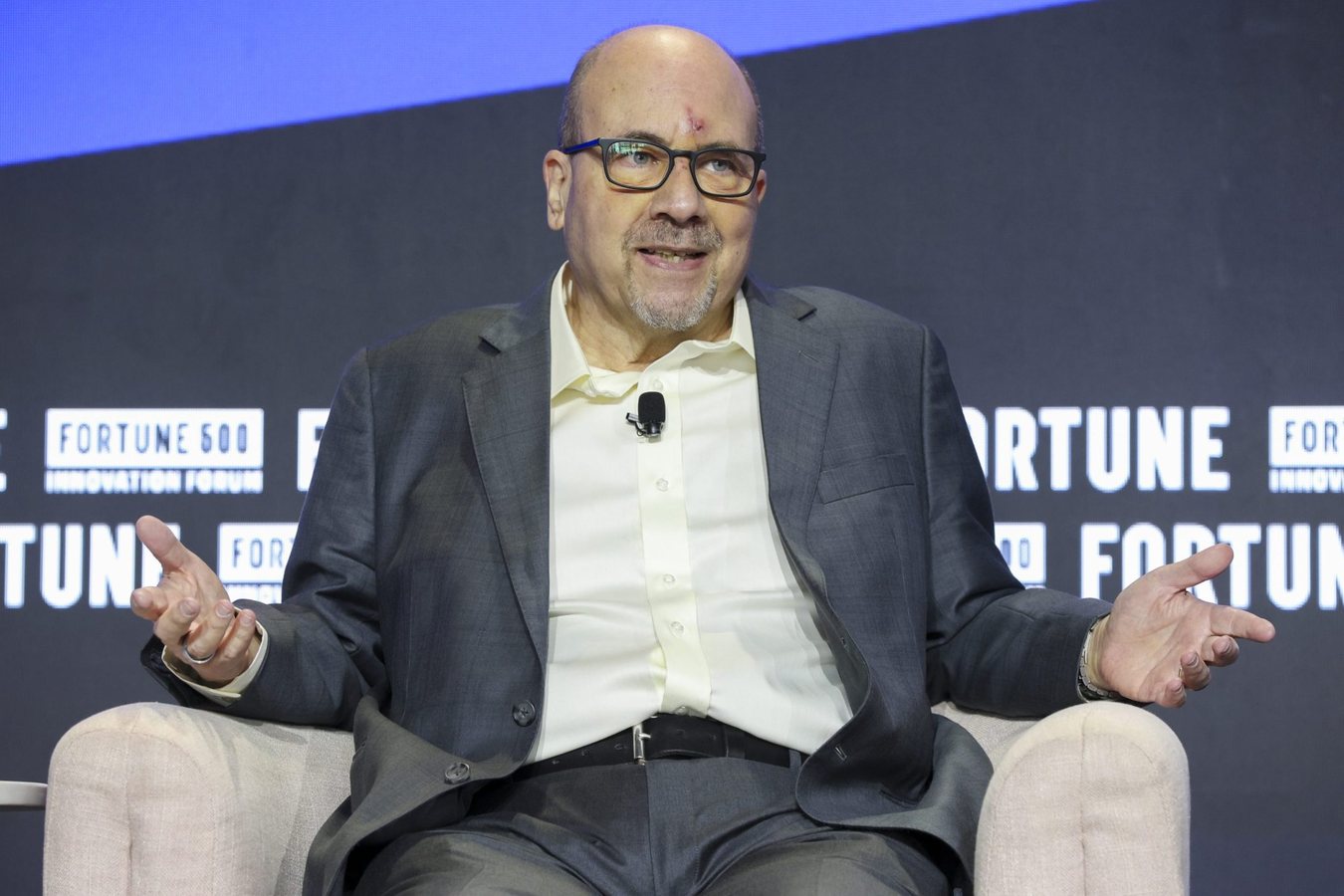
Craig Newmark, the founder of Craigslist, says he hopes the 2026 midterm elections mark the start of a decline in the influence of very large political donations in the United States. Speaking on Tuesday at the Fortune 500 Innovation Forum in Detroit, Newmark said he wanted to see the outcome as “the beginning of the end of the influence of really big money.” He acknowledged that the prospect may not be realistic, adding that “we won’t know for another 10 years or more.”
Newmark's comments were prompted by a question about the midterm spending of Elon Musk. Musk spent roughly half a billion dollars on the midterms and, by Newmark's account, had little to show for it, given that most of his donations went to Republicans. Newmark pointed out that money has historically tended to win in American elections. In 2020, the top-spending House candidate won about 88 per cent of the time, a figure that suggests spending remains a strong predictor of electoral success.
Newmark, who founded Craigslist in 1995, has given away more than $500 million through his philanthropy, with some of that money directed toward protecting American elections and combating pigeon-related causes as well. He signed the Giving Pledge late last year. He said he has stepped back from trying to influence Washington himself. “I just decided that for myself, Washington politics is no country for old nerds,” he told Fortune Editorial Director Kristin Stoller, who moderated the panel. He described his earlier efforts in that arena as having largely failed, though he said he continues to speak with people on the front lines of defending against attacks from foreign adversaries. Even there, he said, he has been told to keep quiet.
His foundation lists voter protection among its priorities, and election security and the fight against disinformation have also been areas of focus. Last week, he made a five-year pledge of $28 million to the Bob Woodruff Foundation. Cybersecurity has been a long-standing priority for him as well. In 2022, his foundation committed more than $50 million to a coalition of groups working to protect Americans from cyberattacks.
The panel also touched on the wider debate about the role of philanthropy compared with markets. Stoller opened the session with a clip of Bill Ackman, the chief executive of Pershing Square, who had told Fortune that philanthropy is “vastly less efficient at solving problems than capitalism.” Asked whether Ackman had a point, Newmark said: “I do think he's right at times.” He argued, however, that artificial intelligence safety and cybersecurity have become a matter of national security and that “neither industry nor government is getting the job done.” He said he was spending the following two days in Washington on the issue, working to help people with more expertise than himself.
Ford Foundation President Heather Gerken, whose organisation was created in 1936 by Henry and Edsel Ford and funded with Ford company stock, offered a different view of the relationship between the two sectors. “Philanthropy is the product of capitalism, but it also is what makes capitalism possible,” she said. Gerken is leading the largest overhaul of the $18 billion foundation since 2015, and said it is making significant commitments to democracy and the rule of law, economic mobility and innovation, while changing its operations to become more nimble and deliver “surge funding” where it is needed.
Gerken also cautioned against philanthropy claiming credit for electoral outcomes. “Philanthropy should not be taking any credit for a win of one party or another,” she said, adding that “if they did, they're breaking the law.” When people say an election went smoothly, she argued, they overlook the largely invisible work that made it possible, including lawyers who challenged the state election systems. Newmark, for his part, said he will keep working to protect the country from AI-based cyberattacks while supporting veterans and military families, and, as he put it, “seriously, pigeon rescue.”
Source: fortune.com
64