Economy 5 min read By Arthur Ellington
US EIA raises oil price forecasts as Iran conflict drains global stockpiles
The US Energy Information Administration has again lifted its crude oil price projections, citing supply disruptions linked to the Iran conflict and falling global inventories. The revision signals sustained pressure on energy costs for businesses and consumers.
The US Energy Information Administration has raised its crude oil price forecasts for a second time, pointing to the ongoing conflict with Iran as a key driver behind shrinking global stockpiles. The revision underscores growing concerns over supply security and the knock-on effects for energy costs worldwide.
The EIA now expects higher prices for both US benchmark West Texas Intermediate and international Brent crude than it projected in its previous outlook. The agency attributed the upward revision primarily to disruptions in global oil flows linked to the Iran conflict, which has tightened available supply and drawn down inventories at a faster pace than anticipated.
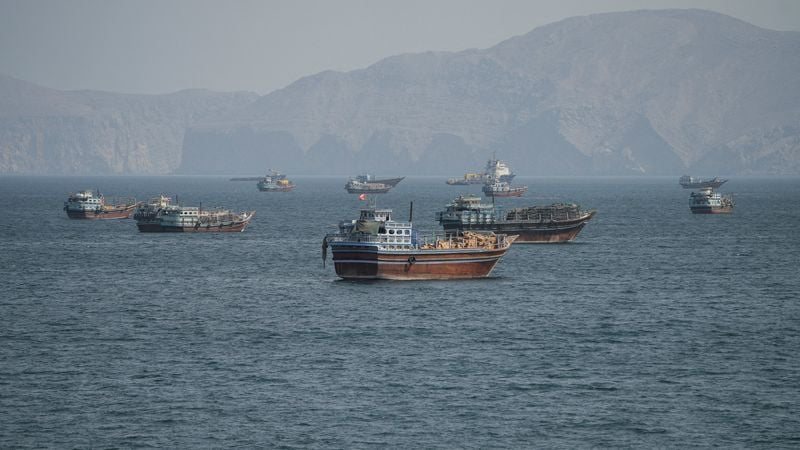
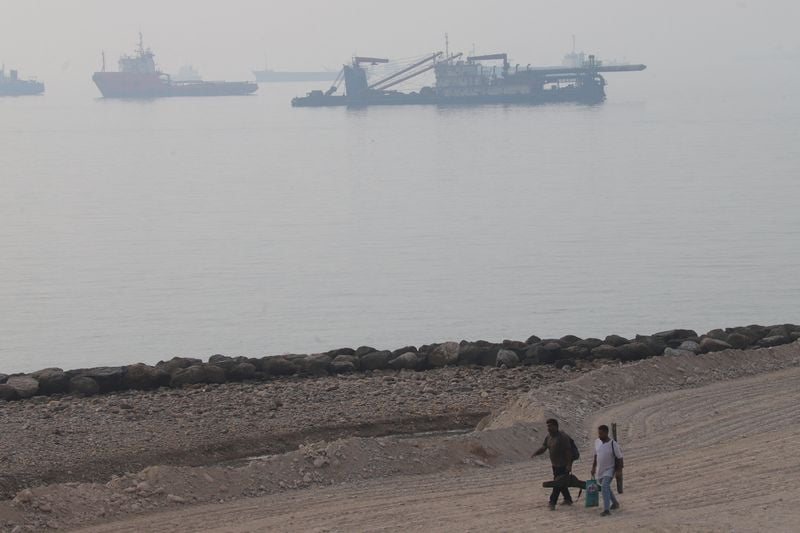
Global oil stockpiles have fallen steadily as the conflict has curtailed exports from a major producing region. The EIA's forecasts are closely watched by traders, policymakers and businesses because they feed into expectations for fuel costs, inflation and economic growth. A sustained rise in crude prices can push up petrol prices, increase transport and manufacturing costs, and complicate central banks' efforts to bring inflation under control.
The revision comes amid heightened volatility in energy markets, with traders weighing the risk of further supply interruptions against demand signals from major economies. The EIA's outlook is updated monthly and is used as a benchmark by government agencies, financial institutions and energy companies.
For the UK, higher oil prices would add to existing pressure on household budgets and business margins. Sterling-denominated energy costs are sensitive to both crude prices and exchange-rate movements, meaning UK importers could face higher bills even if global prices stabilise. The government has already been grappling with the cost of living, and any sustained increase in fuel costs would feed through to transport, logistics and retail prices.
The EIA's decision to raise forecasts again suggests it expects the supply squeeze to persist. The agency's previous upward revision was also tied to the Iran conflict, indicating that its analysts see little prospect of a rapid normalisation in oil flows. That view is shared by some market participants, who have warned that spare production capacity is limited and that further escalation could tighten the market even more.
Oil prices have been volatile since the conflict intensified, with sharp swings driven by headlines about military action, sanctions and diplomatic efforts. The EIA's forecasts attempt to cut through that noise by modelling supply and demand fundamentals, but the agency acknowledges that geopolitical events remain a major source of uncertainty.
The higher price projections will be felt across the global economy. Energy-importing nations, including many in Europe, face a larger bill for crude, which can widen trade deficits and weigh on growth. For businesses, the cost of raw materials and freight rises, and those increases are often passed on to consumers. For governments, the fiscal impact can be significant, particularly where fuel subsidies or tax revenues are tied to oil prices.
The EIA's outlook also matters for investment decisions. Higher long-term price expectations can encourage more drilling and production, but they can also deter consumption and accelerate the shift toward alternative energy sources. In the short term, however, the market remains tightly balanced, and the agency's latest revision is a reminder that the Iran conflict continues to shape global energy security.
Analysts will now watch whether the EIA's next report confirms the trend or whether a de-escalation in the conflict and a rebound in supply could bring prices back down. For now, the direction of travel is clear: the agency expects oil to remain expensive, with consequences for inflation, growth and the broader economic landscape.
4