
Economy 4 min read By Alice Ashford
India-US Trade Talks Stall Again as Tariff and Market Access Gaps Persist
Negotiations between India and the United States have stalled once more, with disagreements over tariffs, agricultural market access and digital trade rules leaving a proposed bilateral trade deal in limbo.
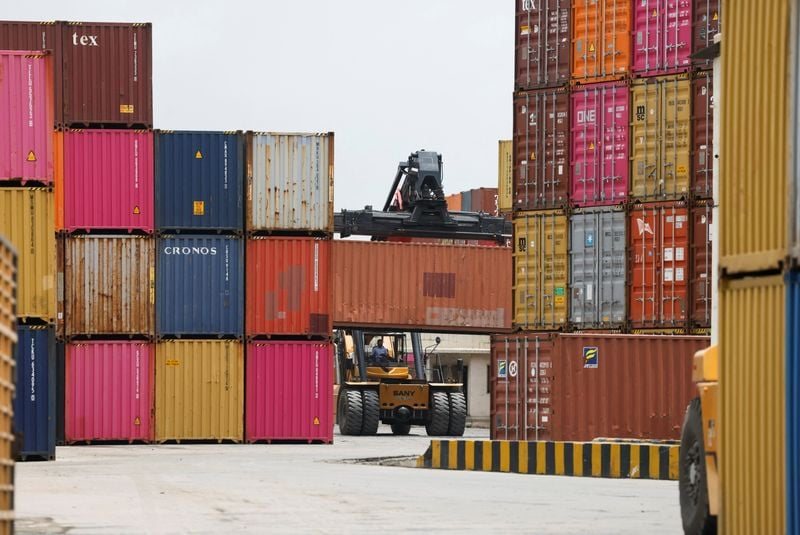
Trade negotiations between India and the United States have stalled again, leaving a proposed bilateral trade agreement in limbo as the two sides remain divided over tariffs, market access and digital trade rules. The pause marks the latest setback in a process that has already missed several informal deadlines, and it comes as both governments face domestic pressure to protect key industries.
At the centre of the impasse are longstanding disagreements over agricultural tariffs and the level of access US firms should be granted to India's dairy and farm sectors. Washington has pushed for deeper cuts to India's import duties on products such as almonds, apples and processed foods, while New Delhi has resisted opening up politically sensitive agricultural markets. Digital trade has emerged as a further sticking point, with the US seeking commitments on cross-border data flows and the removal of localisation requirements that India has been reluctant to relax.
The two countries had been working towards a limited trade deal that would have addressed some tariff barriers and paved the way for a broader agreement. Officials on both sides had signalled progress earlier in the year, but the latest round of talks has failed to bridge the remaining gaps. The delay means that US exporters hoping for improved access to the Indian market, and Indian exporters seeking relief from US tariffs on steel and aluminium, will have to wait longer for any resolution.
For India, the talks are complicated by its desire to protect its domestic manufacturing base under the Make in India initiative, as well as its growing role in global supply chains. The government has been cautious about making concessions that could be portrayed as undermining local industry, particularly ahead of key state elections. In Washington, the administration faces its own political constraints, with Congress and US industry groups pressing for tougher enforcement of trade rules and greater market access abroad.
The stalemate also reflects broader tensions in the global trading system, as major economies increasingly turn to bilateral deals and targeted tariffs rather than multilateral frameworks. India has been pursuing trade agreements with other partners, including the UK and the EU, while the US has focused on rebalancing its trade relationships with key partners in Asia. The lack of progress between two of the world's largest economies adds uncertainty for businesses that rely on cross-border trade and investment.
Analysts suggest that a deal remains possible but will require compromise on both sides. The most likely outcome is a narrower agreement that addresses a limited set of tariff lines and provides some predictability for exporters, rather than a comprehensive pact. Even that, however, would require political will to overcome the current deadlock. For now, the talks remain paused, with no clear timetable for when they might resume.
The implications extend beyond the two countries. A prolonged standoff could encourage both sides to deepen trade ties with other partners, potentially reshaping supply chains in Asia and beyond. It could also weaken momentum for broader trade liberalisation at a time when global growth is already under pressure from higher interest rates and geopolitical tensions. Businesses on both sides are watching closely for any signal that negotiations will restart.
5