Economy 4 min read By Callum Montgomery
Ukraine moves to tax low-value parcels as EU funding deadline nears
Kyiv's plan to remove the €150 VAT exemption has become a revenue reform, a competition issue and a formal condition for the next EU macro-financial assistance instalment.
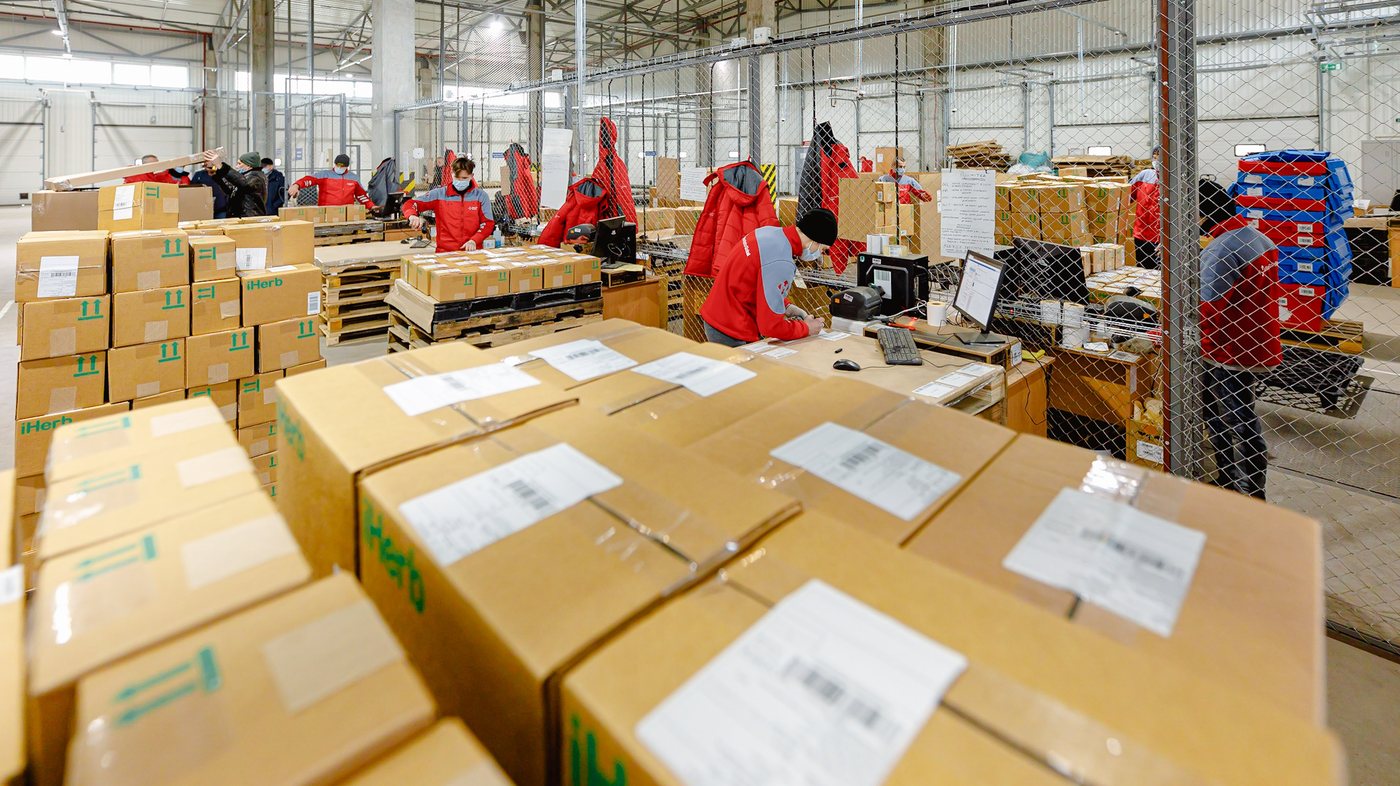
Ukraine is putting a long-debated e-commerce tax change on a much tighter timetable because the measure now sits inside its financing agreement with the European Union. Finance Minister Sergii Marchenko says parliament needs to adopt legislation removing the VAT exemption on low-value commercial parcels by October. He described the funding at risk in public remarks as roughly €4bn.
The EU's formal schedule is more precise. After disbursing a first €3.2bn macro-financial assistance instalment on 25 June, the European Commission said an indicative second instalment of €3.7bn was expected in September, subject to the relevant conditions being met. A third indicative payment of €1.45bn is planned before the end of the year. Marchenko's €4bn figure is therefore a rounded description rather than the exact listed amount.
The parcel reform is explicitly part of those conditions. The memorandum governing the assistance required Ukraine to submit a bill cancelling the tax exemption for international parcels as a condition for the first instalment. For the second, parliament must adopt the law. Security and defence goods are carved out. That turns an argument about online shopping into a measurable test of fiscal reform and implementation.
Under current Ukrainian rules, commercial goods arriving by international post or express delivery are exempt from VAT when their value does not exceed €150. Bill No. 15112-d would replace that threshold with 20% VAT from the first euro for commercial purchases. Large marketplaces are expected to collect the tax at checkout, allowing customers to see an all-in price rather than receiving a separate charge after the parcel reaches Ukraine.
The Ministry of Finance says the present system materially distorts competition. Ukrainian manufacturers and retailers generally sell into a VAT-bearing domestic market, while low-value imports can enter without the same tax. In 2025, the ministry says international postal and express shipments were worth UAH167.3bn. Goods worth UAH92.9bn, or 55.5% of the total, benefited from the exemption. In the first seven months of 2026, the untaxed segment was UAH56.8bn out of UAH136.3bn.
Kyiv expects the reform to raise about UAH10bn in additional state revenue and has linked that resource to defence needs. That figure is modest beside the scale of external funding but significant in the wider policy mix: Ukraine is trying simultaneously to mobilise more domestic revenue, protect budget capacity and keep access to concessional European financing during wartime.
There are limits to the reform. Non-commercial person-to-person parcels worth up to €45 are expected to retain their VAT exemption. Rules for unaccompanied baggage up to €150 are also meant to remain unchanged. The policy is therefore directed primarily at commercial e-commerce rather than every item sent across the border.
The legislative package is not finished. The main tax bill is still awaiting a parliamentary vote, while government customs bill No. 15460 covers the procedures needed to process the new regime. The finance committee again recommended the tax bill on 26 August. Even if parliament moves quickly, the ministry says implementation should begin no earlier than 1 January 2027 and only once marketplaces, postal operators, customs and IT systems are ready. The immediate deadline is political and financial; the consumer price effect comes later.
58