Economy 3 min read By Bethany Hadley
UK Inflation Hits 3.5% as Fuel Costs Surge, Bank of England Rate Rise Expected
UK inflation rose to 3.5% in September, its highest in a year, driven by a 30% surge in motor fuel costs linked to the Iran war. Treasury chief John Healey promises budget measures to give families breathing space, while economists expect the Bank of England to raise rates to 4% in November.
UK inflation climbed to 3.5% in the year to September, its highest rate in almost a year, as the Iran war drove up fuel prices and cemented expectations that the Bank of England will raise interest rates next month. The Office for National Statistics said the reading was up from 3.1% in August and exceeded the 3.4% forecast by most economists, pushing inflation further above the central bank's 2% target.
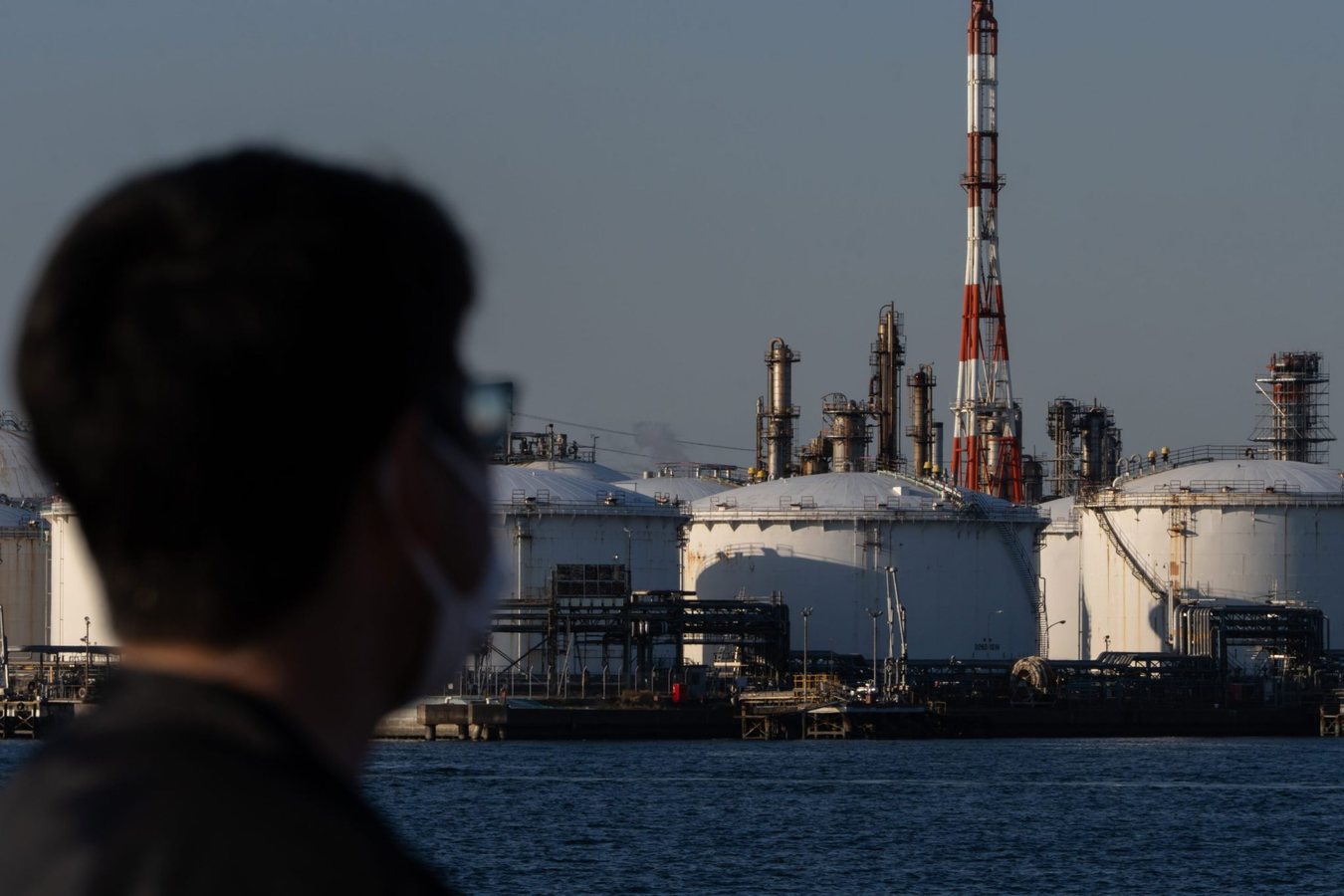
Transport costs were the biggest contributor to the increase, with motor fuels soaring 30% over the year, up from a 23% annual rise in August. The surge reflects bottlenecks in the Strait of Hormuz caused by the conflict, which have squeezed global oil and gas supplies. The inflation figure is the highest since October last year and reinforces market bets that the Bank of England will act at its next meeting on 5 November.
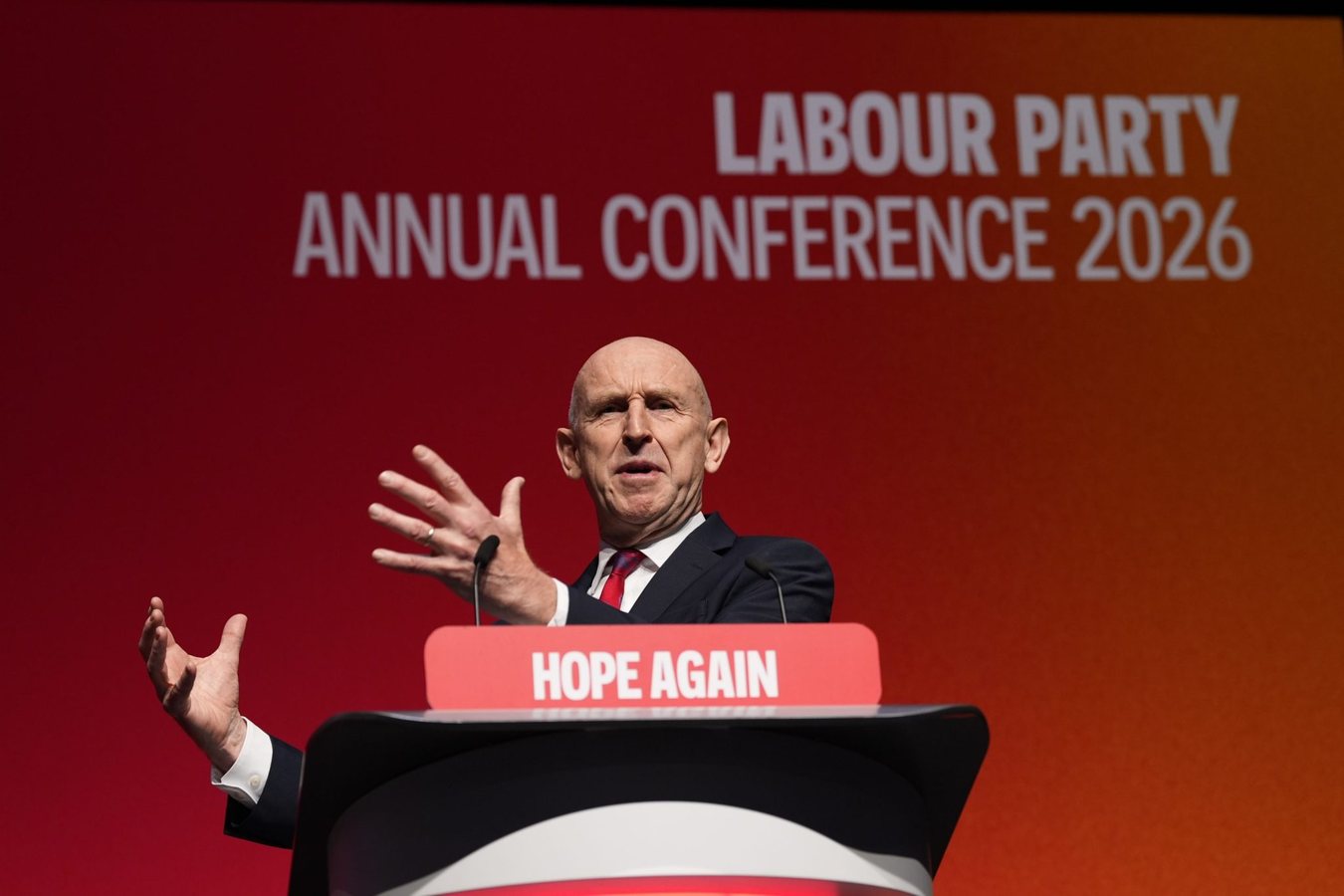
Treasury chief John Healey said his budget statement next week will aim to give businesses and families «some breathing space» from the rising cost of living. His remarks signal that the government intends to cushion the impact of higher prices, though the precise measures have not been disclosed. Economists, however, expect the Bank of England to raise its main interest rate to 4% from 3.75%, where it has been held since last month when rate-setters hinted strongly at an imminent hike.
«With inflation increasing, the pieces are falling firmly into place for a November rate rise,» said Suren Thiru, chief economist at ICAEW. The expected move would follow recent rate increases by the US Federal Reserve and the European Central Bank, as major economies tighten monetary policy in response to persistent price pressures.
UK interest rates had been trending downward from a 15-year high of 5.25% until the US and Israel attacked Iran in late February. The conflict has since disrupted energy markets, reversing the previous disinflationary trend and complicating the outlook for households and businesses already grappling with elevated borrowing costs.
The combination of rising inflation and higher interest rates poses a challenge for the Treasury as it prepares next week's budget. Healey's pledge of breathing space suggests targeted support may be on the way, but with inflation driven largely by external energy shocks, domestic fiscal measures may have limited effect on the headline rate. The Bank of England's decision on 5 November will be closely watched for signals on how far rates might rise in the months ahead.
4