Economy 3 min read By Bethany Hadley
Trump says «bankrupt» Britain must tap North Sea oil
Donald Trump said Britain is «bankrupt» and needs to exploit its North Sea oil reserves, while praising Prime Minister Andy Burnham and predicting a strong relationship.
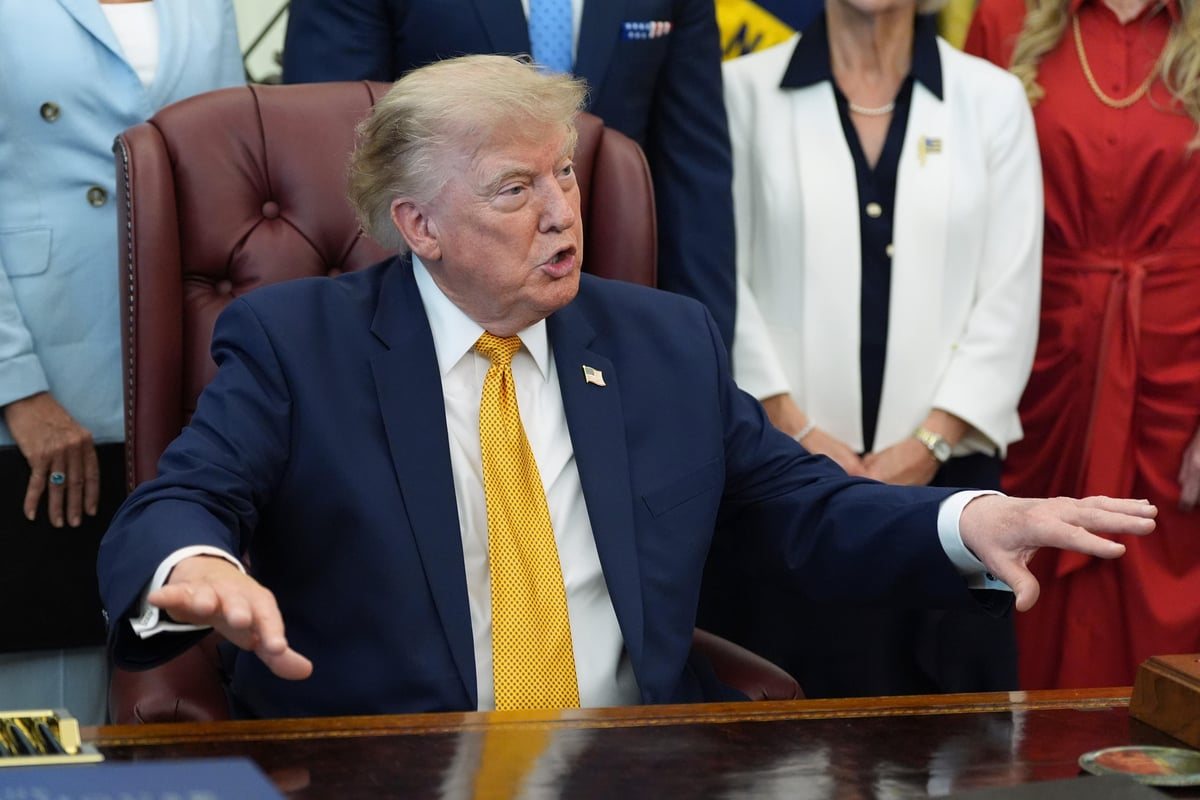
Donald Trump has urged Britain to resume drilling in the North Sea, saying that a «bankrupt» country must tap into its offshore oil reserves. The US president also declared himself «very impressed» with Prime Minister Andy Burnham and said the two men were set to build a strong relationship.
Mr Trump claimed that Mr Burnham had indicated he was open to future drilling and would «open up the North Sea» to the oil and gas industry. The president called on the government to restart offshore production, using the phrase «North Sea oil gold» to describe the value of the resources beneath British waters.
His assessment of the state of the British economy was blunt. He described the UK as «bankrupt» and argued that it could not afford to leave its natural resources untapped. The comments put energy policy at the centre of the political discussion, just as the government faces difficult choices over public spending and economic growth.
Mr Trump's remarks about Mr Burnham were unusually warm. He said the prime minister had surrounded himself with «terrific» people and predicted that the two of them were «going to have a very good relationship». That praise contrasted with his harsh description of the country's finances, but both were part of the same message: Britain needs to act, and Mr Burnham is the leader to do it.
If Mr Burnham follows through on the openness that Mr Trump described, the decision would have major implications. The North Sea has been at the heart of the UK's offshore energy industry for decades, and renewed drilling would affect government revenue, employment and the country's approach to energy supply. It would also signal a shift in how Britain manages its own resources at a time of economic difficulty.
The president's account painted the prime minister as willing to embrace a more pragmatic energy strategy. Mr Trump made clear that he regards the North Sea as a source of wealth that Britain cannot ignore. His use of the phrase «oil gold» underlined the economic argument that he wants to place at the front of the relationship.
The comments also reveal the importance Mr Trump attaches to the personal relationship. He went out of his way to describe Mr Burnham as impressive and to say the prime minister had chosen «terrific» people. That combination of economic pressure and personal warmth is likely to shape the early exchanges between the two governments.
Whether the prime minister chooses to act on the reported signal remains to be seen. Mr Trump has left no doubt about what he wants: drilling must resume, and the North Sea must be treated as a national asset. The response from Mr Burnham will determine whether the optimistic relationship the president predicted can match the sweeping claims he has attached to it.