Economy 5 min read By Alice Ashford
Trump's Tariffs Echo the Economic Folly of the War of 1812, Historians Warn
As the US conflict with Iran enters its seventh month, economists and historians are drawing parallels with the War of 1812, when a self-inflicted trade embargo and a war of choice devastated the American economy.
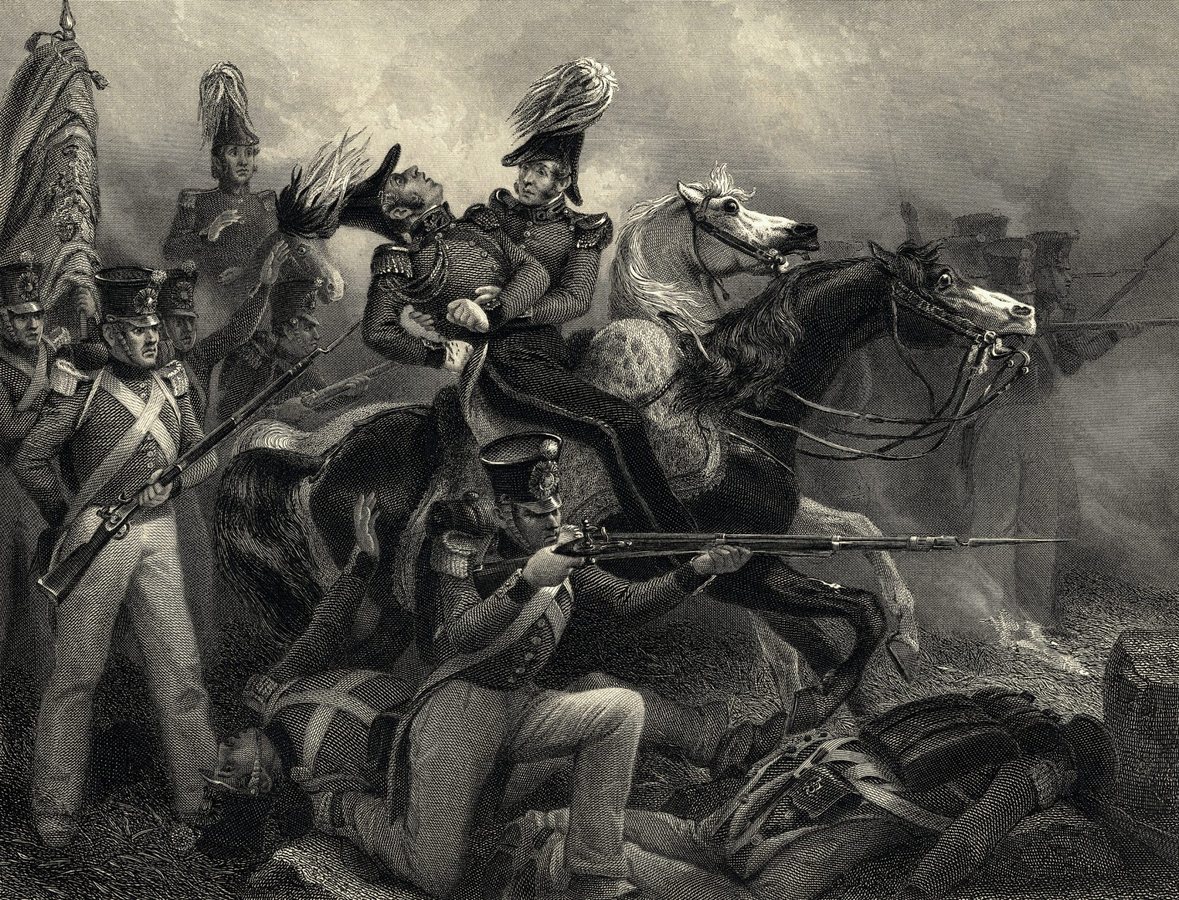
As the United States enters the seventh month of its conflict with Iran, with the Trump administration no closer to achieving its stated goals, economic historians are pointing to a striking historical parallel: the War of 1812. That conflict, America's first as an independent nation, was preceded by a self-inflicted trade embargo that cratered US exports by roughly 80% and imports by nearly 60% within a year, plunging the young republic into depression before a single shot was fired.
The architect of that economic wound was President Thomas Jefferson, who in 1807 pushed Congress to approve an embargo barring all export shipping from US ports. The aim was to punish Britain and France for seizing neutral American ships and impressing American sailors into the Royal Navy. Jefferson and his fellow Republicans predicted the measure would force both powers to change their behaviour, while also fostering domestic manufacturing. The opposition Federalists warned it would be economically ruinous. They were right. Farmers struggled to find markets, unemployment skyrocketed, and the nation slid into depression. Congress scrapped the embargo just days before James Madison succeeded Jefferson in March 1809, but replaced it with the Non-Intercourse Act, which continued to prohibit trade with Britain and France. None of it changed British or French behaviour.
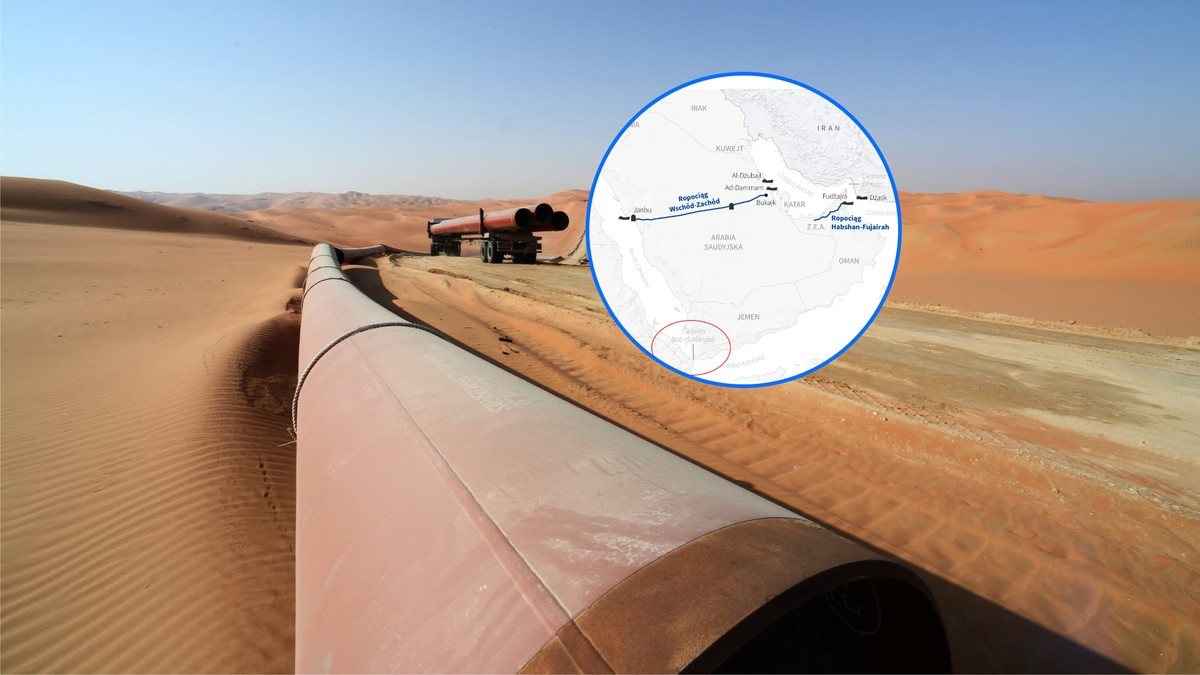
The economic echoes today are notable. President Trump's tariffs have not caused damage on the same scale, but they have still raised core goods prices by an estimated 3.1% and are projected to shave 0.4% off long-run GDP and cost roughly 345,000 full-time jobs, according to the Tax Foundation. Then, as now, a pressure campaign preceded a war that made the economic picture considerably worse. Once fighting with Britain began, a Royal Navy blockade compounded the embargo's damage in 1813-14, just as the closure of the Strait of Hormuz—described by the International Energy Agency as the largest oil-supply disruption in history—has kept energy markets on edge through the current war.
Most Americans are only dimly aware of the War of 1812. Some remember it birthed the Star-Spangled Banner, or that it made General Andrew Jackson a household name and set him on the path to the presidency. But vanishingly few know why the country went to war with Great Britain 214 years ago, or what it gained. The answers, historians say, are no good reason and basically nothing. The main difference between then and now is that the War of 1812 was fought on American soil. Thousands of soldiers died, and the nation was humiliated when the British burned the Capitol and the White House. Nothing nearly as dire has befallen the US in the current conflict—at least not so far.
The road to war in 1812 was driven less by honour than by glory. The so-called War Hawks in Congress—mostly young Southerners and Westerners such as John C. Calhoun and Henry Clay—believed British Canada was ripe for the taking. «The conquest of Canada is in your power,» Clay declared to colleagues in 1810. «I verily believe that the militia of Kentucky are alone competent to place Montreal and Upper Canada at your feet.» On June 18, 1812, the United States declared war on Great Britain. Things went awry almost immediately. In mid-July, a force under Brigadier General William Hull crossed the Detroit River and landed on the Canadian shore without resistance. Basking in apparent victory, Hull issued an ebullient proclamation to local residents: «Inhabitants of Canada! You will be emancipated from tyranny and oppression. Had I any doubt of eventual success I might ask your assistance, but I do not. I come prepared for any contingency.» His aide observed that the British and their Indian allies were deserting by hundreds. Hull then marched south to seize Fort Malden, but when he tried to resupply his troops, warriors led by the Shawnee chief Tecumseh intercepted him.
The lesson, as the US extricated itself from that ill-considered conflict two centuries ago, was to score battlefield successes and seize the opportunity to sign a peace treaty that reinstated the status quo ante. Whether the current administration can find a similar off-ramp remains an open question, but the economic cost of waiting is already mounting.