Economy 5 min read By Arthur Ellington
Oil Surge and Bond Rout Trigger Global Equity Selloff
Rising oil prices and European bond contagion risk are driving a worldwide stock selloff, with US markets opening lower as investors weigh the prospect of new US combat operations in Iran.
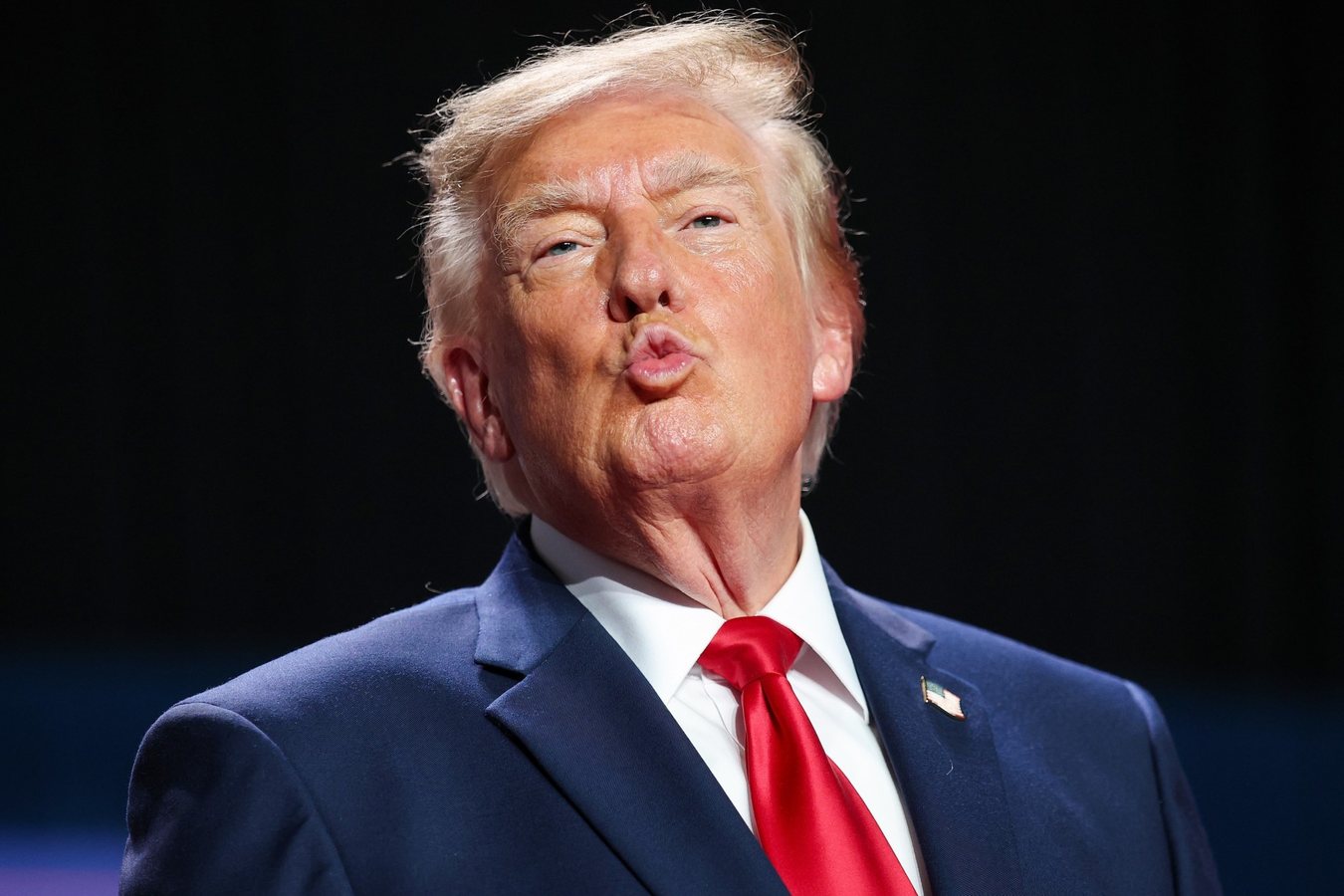
Global equity markets fell sharply as rising oil prices and renewed concerns about European bond contagion combined to trigger a broad selloff, with US stocks opening in the red. The declines followed reports that President Donald Trump is considering a new round of major combat operations in Iran, a prospect that has injected fresh uncertainty into energy markets and rattled investors already sensitive to geopolitical risk.
Oil prices surged on the news, reflecting fears that a wider conflict could disrupt supply routes in the Middle East. Higher crude prices feed directly into inflation expectations and corporate costs, complicating the outlook for central banks that had been hoping to ease monetary policy. The bond market came under simultaneous pressure, with a rout in European government debt raising the spectre of contagion across the continent. French bonds were singled out as a particular source of concern, as investors questioned the fiscal trajectory of one of the eurozone's largest economies.
The combination of an oil shock and a bond selloff is particularly unwelcome for equity investors, because it threatens both growth and valuations. Energy costs act as a tax on consumers and businesses, while rising yields increase the discount rate applied to future corporate earnings. Wall Street had been trading near record highs in recent sessions, but the twin pressures have prompted a retreat from those levels. Market participants are now watching whether the selloff deepens or stabilises as the situation in the Middle East develops.
The geopolitical backdrop is central to the market reaction. Any expansion of US military involvement in Iran would carry significant implications for global oil supply, given the country's role as a major producer and its strategic position around the Strait of Hormuz. Even the prospect of such operations is enough to add a risk premium to crude, and traders are likely to remain on edge until the administration's intentions become clearer. The White House has not yet confirmed a final decision, leaving markets to price in a range of possible outcomes.
In Europe, the bond rout has revived memories of previous episodes of contagion, when stress in one sovereign debt market spread rapidly to others. France's fiscal position has been under scrutiny, and the rise in yields there is being closely monitored as a bellwether for the wider euro area. If the pressure persists, it could test the European Central Bank's ability to contain fragmentation risks, a challenge that policymakers have grappled with in recent years. The euro has also come under pressure as investors reassess the region's outlook.
For British investors, the global selloff adds to an already uncertain domestic picture. UK equities tend to be sensitive to energy prices and global risk appetite, and a sustained rise in oil would have mixed effects, boosting the FTSE 100's heavyweight energy sector while weighing on consumer-facing stocks. Gilt yields are also likely to track the move in European bonds, keeping borrowing costs in focus for the government as it manages its own fiscal plans.
Attention now turns to whether the selloff is a short-term reaction to headlines or the start of a more durable repricing. Much depends on the trajectory of oil prices and whether the bond market stabilises. Investors will also be watching for any signal from the Trump administration about the scale and timing of potential operations in Iran. With earnings season approaching, companies may face tougher questions about how they plan to absorb higher energy costs and a more volatile funding environment.
The broader lesson is that markets had grown comfortable with a relatively benign backdrop of falling inflation and steady growth. The return of geopolitical risk, combined with fiscal vulnerabilities in Europe, has exposed how quickly that comfort can evaporate. For now, the mood is defensive, and the coming days will reveal whether policymakers and investors can regain their footing.
3