Economy 4 min read By Arthur Ellington
Iraq Devalues Dinar as Iran War Chokes Oil Exports
Iraq's central bank cut the official exchange rate from 1,300 to 1,500 dinars per dollar, a move aimed at shoring up state finances as war disrupts oil shipments through the Strait of Hormuz. Traders and consumers fear rising import costs.
Iraq has devalued its currency, shifting the official exchange rate from around 1,300 dinars to the dollar to 1,500 dinars, as the war between the United States and Iran disrupts the oil exports on which the country's economy depends. The central bank said the new rate was agreed at a Cabinet meeting the previous night to meet «the relevant financial, economic and monetary requirements».
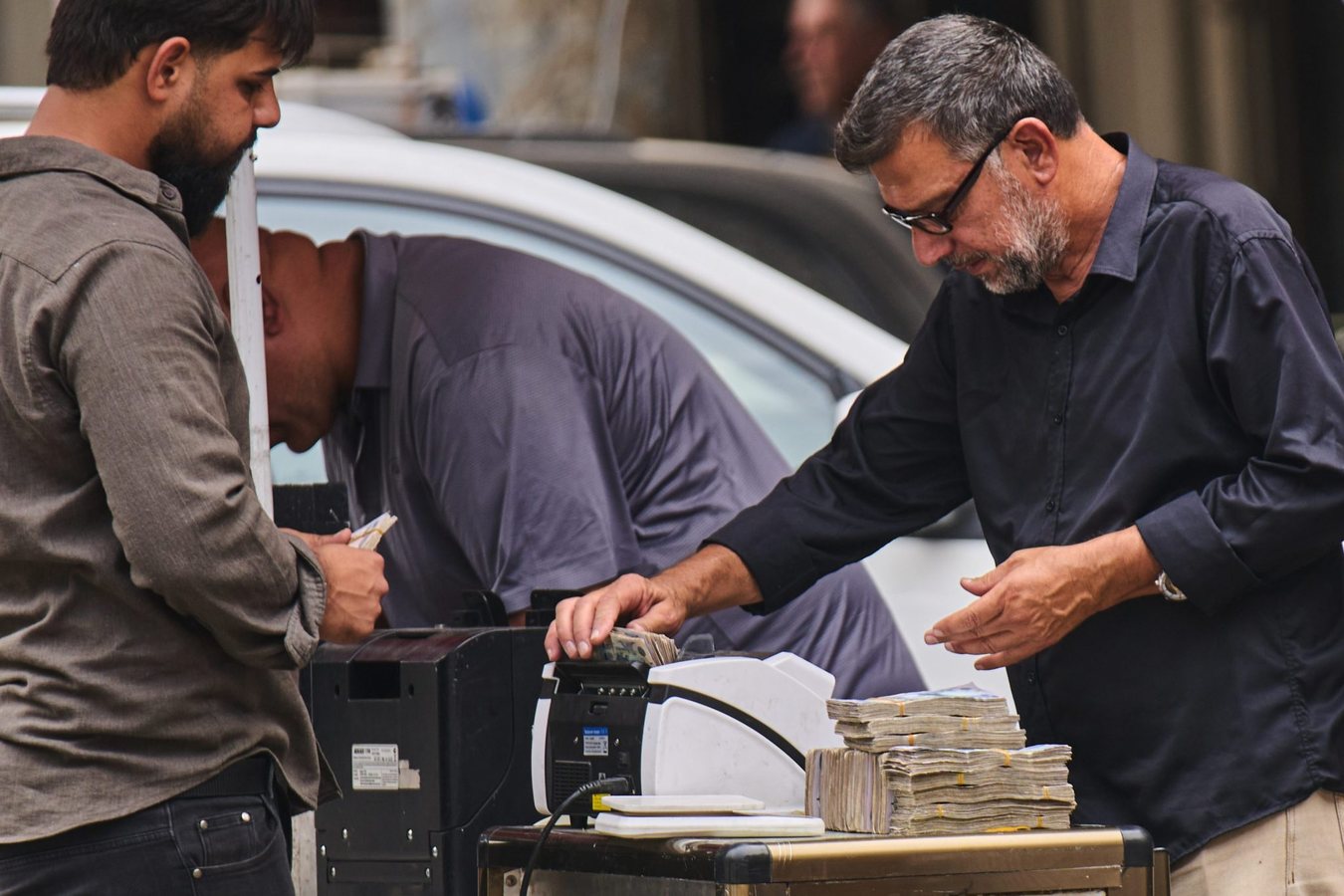
The previous official rate had been in place since 2023. In practice, a gap has always existed between the official rate and the market rate used by exchange shops, but that gap widened sharply in recent months as the conflict sometimes spilled over into Iraq and disrupted shipping in the Strait of Hormuz. Before the devaluation was announced, the unofficial rate had climbed to more than 1,600 dinars to the dollar. After the new official rate was published, the market rate jumped to more than 1,700 dinars.
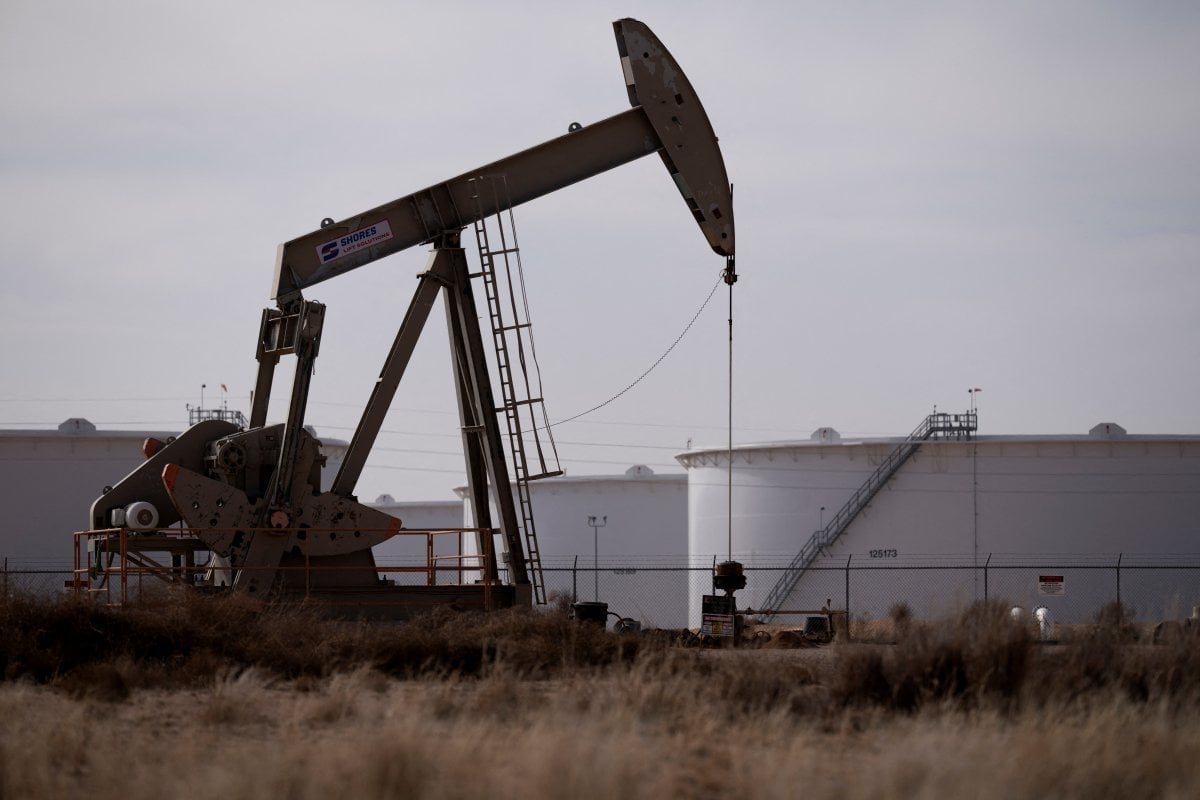
Iraq's economy relies heavily on oil exports, most of which were shipped through the Strait of Hormuz before the war. Since the conflict began, Baghdad has resorted to sending oil overland through Syria for export, but that route is more expensive and less efficient. The devaluation means each dollar earned from oil exports now brings in more dinars, helping the government cover domestic spending at a time when revenue is under pressure.
The trade-off is that imports become more expensive, potentially driving up prices for consumers. Traders said they risked losing money as a result of the change. Ali al-Bahadili, a Baghdad businessman who sells clothes imported from China, said the exchange rate shift would hurt his business. «People owe us in Iraqi dinars, and we owe people in China in dollars,» he said.
Consumers are worried that prices will increase. In the northern city of Irbil, many exchange shops were shuttered after the change was announced. At the new official rate, the Finance Ministry will sell dollars at 1,500 dinars for $1, while consumers purchasing from banks will pay 1,520 dinars for a dollar.
The devaluation is the latest sign of how the war is straining Iraq's public finances. The government depends on oil revenue to fund salaries, subsidies and services, and any disruption to exports quickly translates into pressure on the budget. The overland route through Syria has allowed some exports to continue, but at a higher cost and with lower volumes, leaving Baghdad with less foreign currency to manage the economy.
For ordinary Iraqis, the immediate effect is likely to be felt at the shop counter and in the market, where imported goods are priced in dollars. The gap between the official and market rates has long been a source of friction, and the latest move may not close it. Traders who buy in dollars and sell in dinars face losses, while households already coping with high prices may see further increases.
The central bank's decision reflects the difficult choices facing a government that must balance the need for revenue against the risk of stoking inflation. With the war showing no sign of easing and shipping through the Strait of Hormuz still disrupted, Iraq's currency and its oil-dependent economy remain exposed to forces largely beyond its control.
6