Economy 5 min read By Arthur Ellington
US Social Security benefits to rise 3.6% in 2027, adding about $75 a month
The Social Security Administration has projected a 3.6% cost-of-living adjustment for 2027, worth roughly $75 extra per month for the average retiree, but advocacy groups and beneficiaries warn it will not keep pace with inflation or rising healthcare costs.
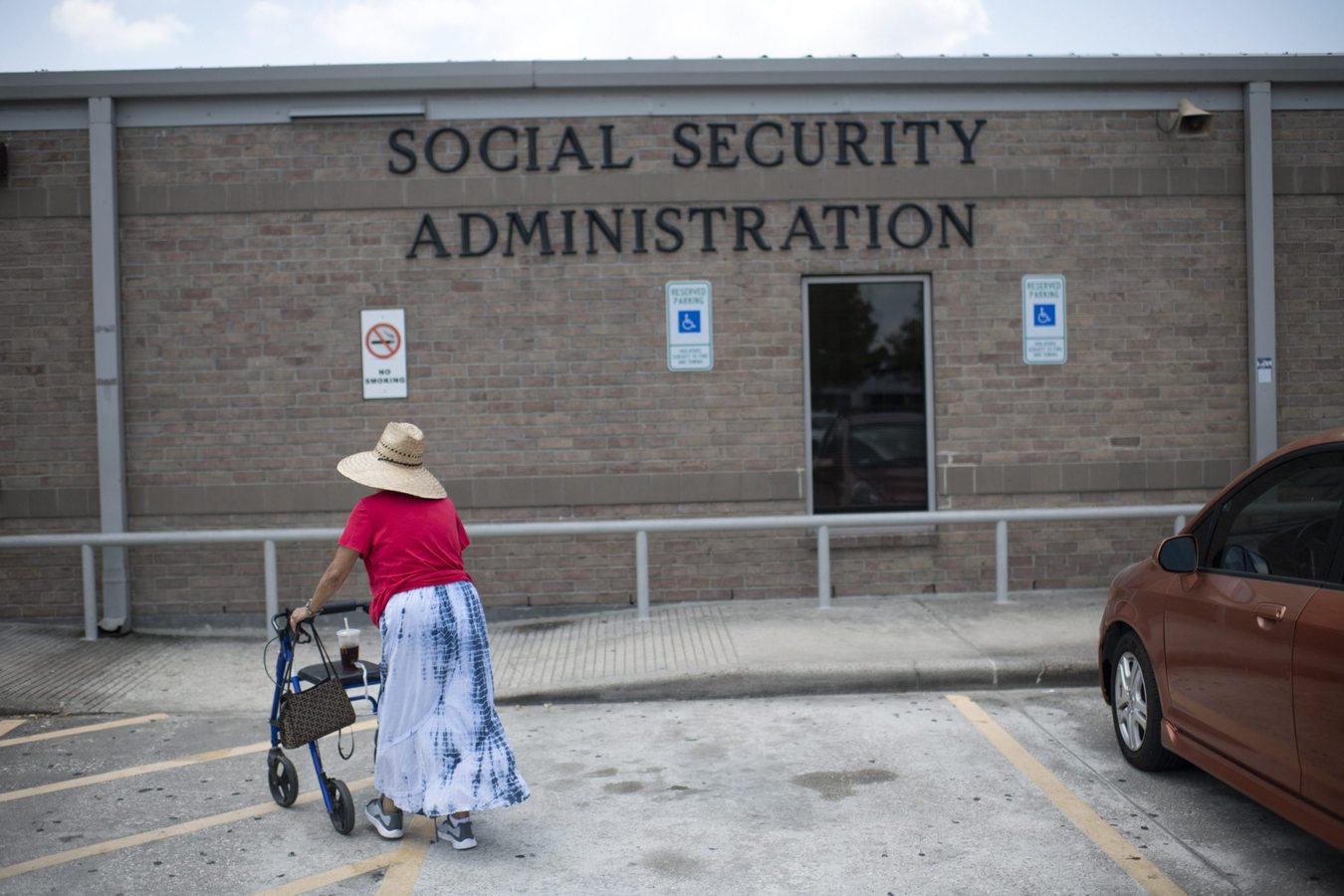
Social Security benefits will rise by 3.6% in 2027, the Social Security Administration projected on Wednesday, delivering an average increase of about $75 a month to the nearly 72 million people who receive monthly retirement or disability payments and the roughly 7.3 million beneficiaries of Supplemental Security Income.
The annual cost-of-living adjustment, known as COLA, is intended to protect recipients from inflation. The agency's commissioner, Frank Bisignano, said in a statement that the increase would give recipients «greater financial stability». The adjustment is financed by payroll taxes collected from workers and their employers up to an annual salary cap, which will rise to $192,300 in 2027 from $184,500 in 2026.
But the announcement landed against a backdrop of stubbornly high prices and just weeks before midterm elections. Government data released the same day showed inflation accelerated in September, with the consumer price index up 3.7% from a year earlier, while petrol prices have spiked following renewed fighting between the United States and Iran.
Nancy Altman, president of the advocacy group Social Security Works, said the latest inflation figures demonstrate that «as important as the Social Security COLA is, it is not keeping up with prices».
For many older adults, the increase will be swallowed by other costs. Lorrie Ufkin, a 71-year-old retiree living outside Rochester, Minnesota, said the COLA would not offset her healthcare expenses, which are set to climb after the Trump administration ends a temporary Medicare Part D subsidy programme at the end of the year. Ufkin said one medication she and her husband both take will rise from $11 per month per prescription to $200 per month, a change she described as «catastrophic».
Jaime Jakubczak, a 68-year-old resident of Buffalo, New York, who retired early at 55, has returned to work to afford rising property taxes. He called the 3.6% adjustment «a pittance» given the cost of food, healthcare and petrol, and pointed to a proposed 3.9% property tax increase in his town. «We were getting ahead a little bit with the COLA based on inflation, but the inflation is so high that it doesn't offset what our COLA allowance is», he said.
Senior advocacy groups say the modest increase highlights the precarious finances of many older people. AARP chief executive Dr Myechia Minter-Jordan noted that one in five older Americans have no retirement savings and that more people feel financially insecure this year than last, making the COLA «critically important». A September AARP poll found that about three-quarters of adults aged 50 and over disagreed that a 3.5% COLA would be enough to keep up with rising prices.
The adjustment comes as Social Security faces a looming funding shortfall. The June 2026 Social Security and Medicare trustees' report projected that the programme's combined trust funds will be unable to pay full benefits beginning in 2034, after which incoming revenue would cover only about 83% of scheduled payments.
Congress has not passed a permanent fix. In June, Senators Elizabeth Warren, a Democrat, and Bernie Moreno, a Republican, proposed lifting the payroll tax cap so that all income is treated the same, arguing it would «generate substantial revenue that would extend the solvency of Social Security for another generation». The Peterson Foundation estimates the move would add roughly $3 trillion to the programme over a decade, though it remains controversial with Republicans who have traditionally opposed tax increases on the wealthy.
Recent legislation has also cut both ways. The Trump and Biden administrations signed into law new benefits for retirees that boosted their finances but accelerated the old-age programme's insolvency. The Trump administration's tax and spending bill created a temporary tax deduction for people aged 65 and over, applying to all income rather than just Social Security, but the lowest-income older adults, those claiming benefits before 65 and those above an income threshold cannot claim it. In 2024, President Joe Biden repealed two federal policies that had limited payouts for certain public-sector workers.
4