Economy 4 min read By Arthur Ellington
Oil prices fall nearly 6% after Trump cancels Iran strikes
Brent crude fell below $83 a barrel after President Donald Trump cancelled planned strikes on Iran and said peace talks were under way. Tehran denied the negotiations, prompting Trump to accuse Iran of being «unbelievably duplicitous».
Brent crude tumbled nearly 6% on Monday, slipping below $83 a barrel — about £61.73 — after President Donald Trump cancelled planned military strikes on Iran and claimed that peace talks were under way. The sharp drop reflected relief in financial markets that Washington and Tehran had stepped back, for now, from a confrontation that threatened oil supplies from the Gulf.
Mr Trump had prepared what he described as «the biggest attack since World War II», but called it off before it was launched. He then accused Tehran of being «unbelievably duplicitous» after Iranian officials denied that negotiations aimed at ending the conflict in the Middle East were being held.
According to Mr Trump, the proposed agreement would include reopening the Strait of Hormuz and addressing Iran’s nuclear programme. The duelling statements from Washington and Tehran left traders uncertain whether the risk of a supply shock had truly receded or merely been postponed. Mr Trump’s claim that an agreement was being discussed was not confirmed by Tehran, which continued to deny that any negotiations were taking place. For investors, the concern is not the diplomatic rhetoric itself, but the effect it could have on the flow of oil.
Oil markets had been on edge for weeks as tension in the region intensified, pushing prices higher on concerns that retaliation could close the Strait of Hormuz, a vital waterway for global crude shipments. Monday’s move reversed some of those gains, with the international benchmark settling below the symbolic $83 mark as the immediate threat of a strike appeared to fade. Brent had been trading at elevated levels in response to the standoff, and the cancellation allowed some of that risk premium to drain out of the market.
Iran’s denial of the talks drew a sharp response from Mr Trump on social media, where he continued to press his case that negotiations were ongoing. In a further round of posts, he insisted that Tehran was being dishonest about the discussions. Despite the public dispute, the decision to halt the attack was seen as a signal that the White House was open to a diplomatic route, even while keeping the possibility of military action on the table.
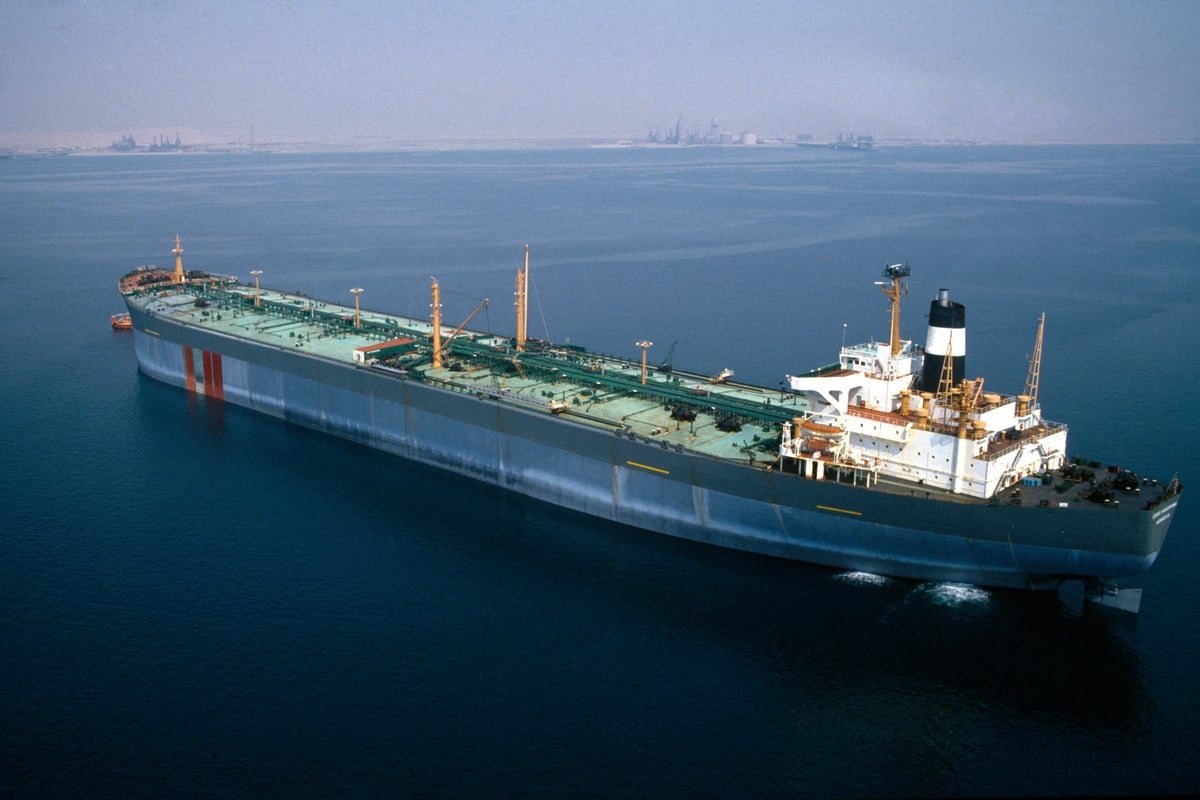
The importance of the Strait of Hormuz goes well beyond the region. A large share of the world’s seaborne oil passes through the narrow channel, and any sustained disruption would quickly feed through to petrol prices and household energy bills in Britain and elsewhere. The market’s immediate response was therefore driven as much by trade flows as by geopolitics.
The coming days will test whether the reported talks can move beyond public accusations. Neither side has confirmed the details of the discussions, and Tehran’s denial has complicated the picture. For now, traders are carefully watching for any signs of further military movement, fresh diplomatic signals from Iran, or statements from Washington that could shift the balance between de-escalation and conflict. The speed of Monday’s price move showed how sensitive the oil market has become to every twist in the crisis.